


A Lee Enterprises, Incorporated newspaper. Majority shareholder: David Hoffmann, Hoffmann Media Group.
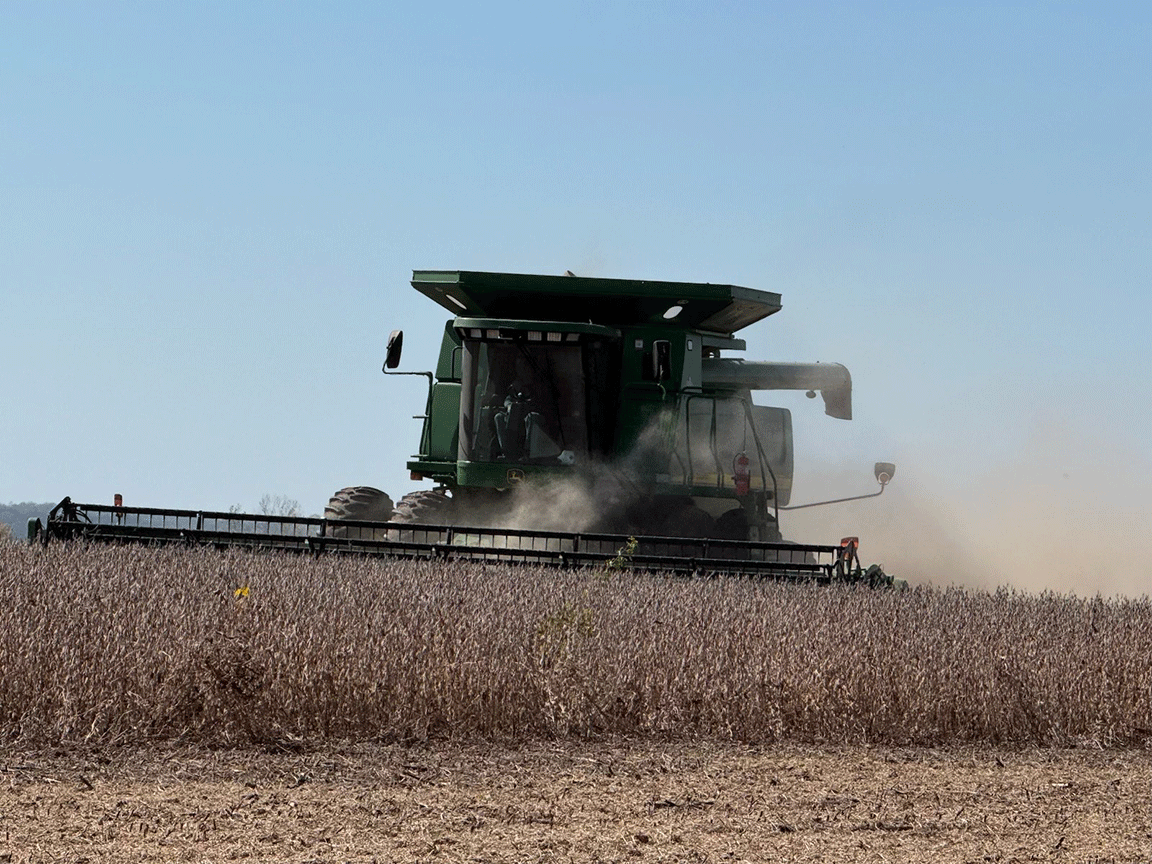
WOODBURN, Iowa — Harvest is moving right along for Jeff Pollard in Clarke County.

TAMAROA, Ill. — By mid-October, Austin Lovelady was finishing up with harvest and had all his winter wheat planted. Now comes the financial reckoning.
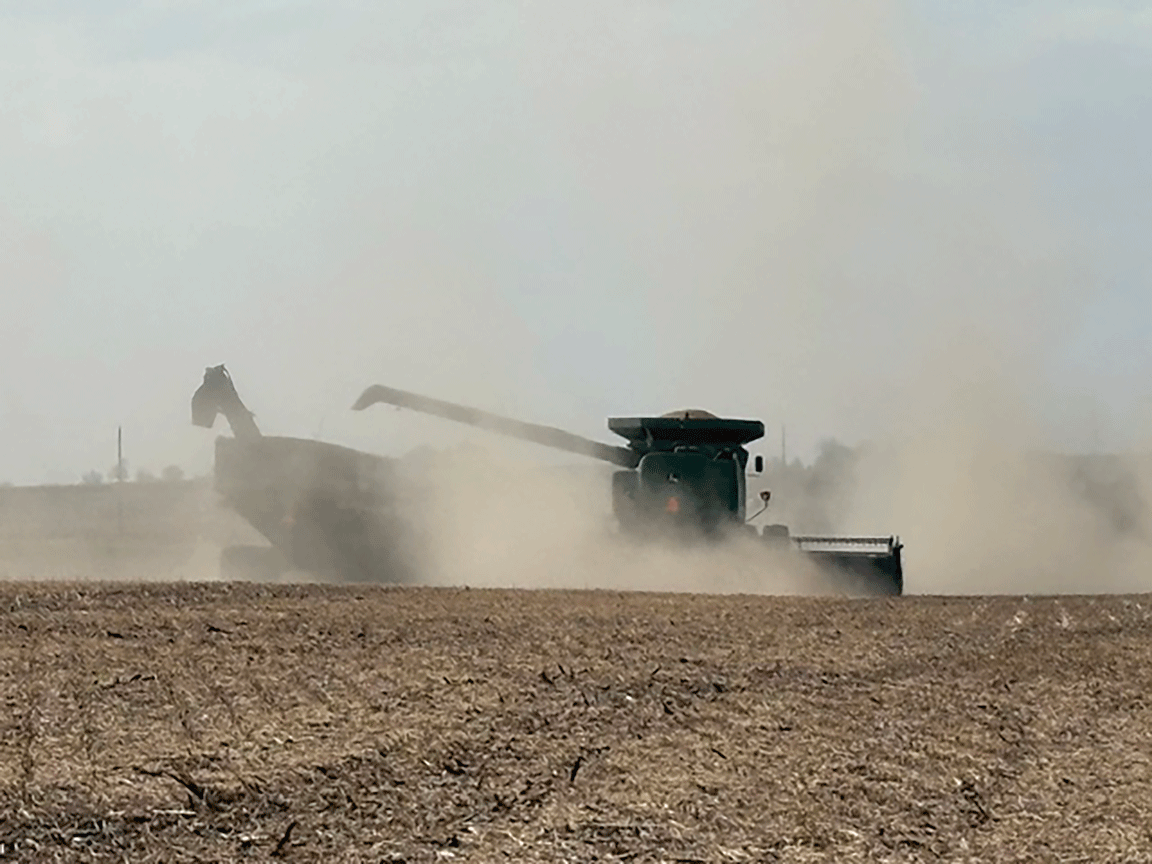
TAMA COUNTY, Iowa — Helpful weather and good timing has resulted in increased job satisfaction for central Iowa farmer Lance Ewoldt.
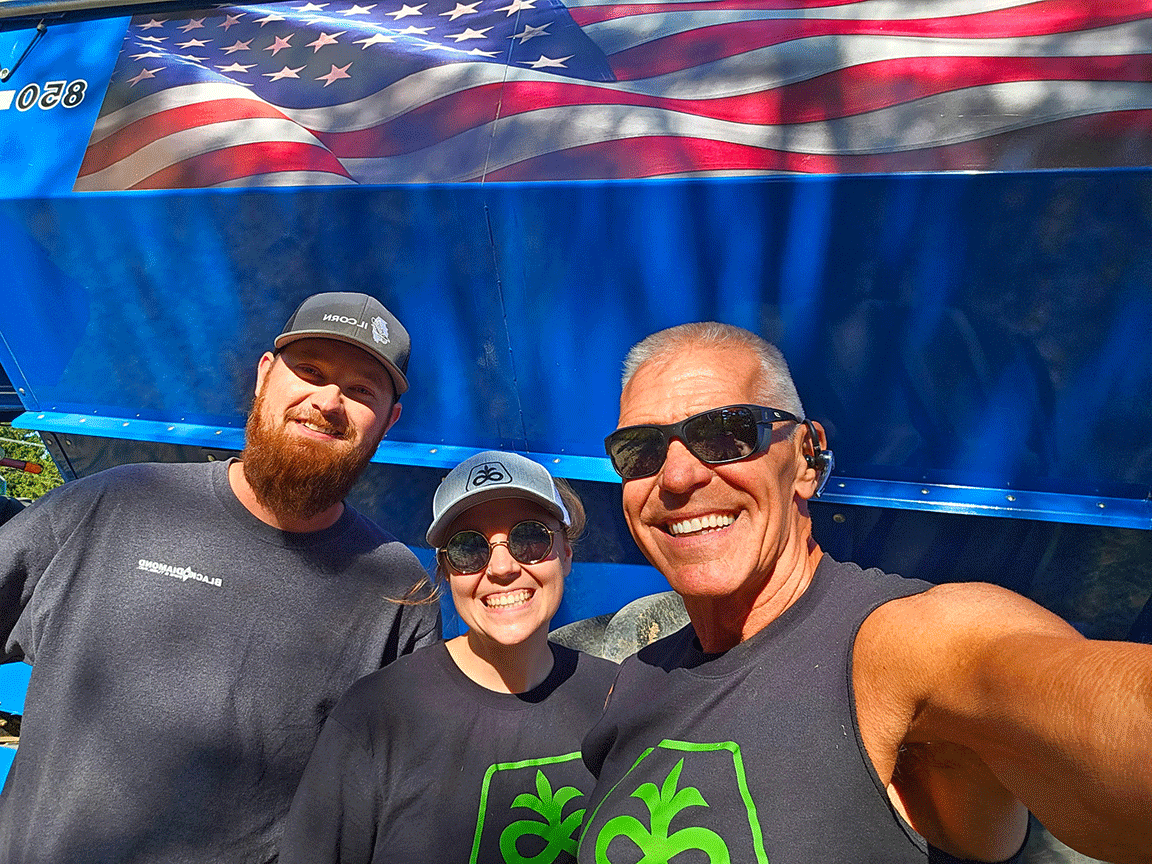
MANHATTAN, Ill. — Beans have been drying down unevenly on Dave Kestel’s farm in northeast Illinois, making for a start-and-stop harvest this year.

MORNING SUN, Iowa — Paul Gieselman felt happy after several consecutive days harvesting in his Louisa County fields.

ORANGE CITY, Iowa — Strong yields have made this harvest a happy one for Joel Leusink.

A family farm may be worth millions on paper, but that doesn't mean the farming heir can afford to buy out every sibling at market value.

How much nitrogen should I apply to my cornfields? With the price of fertilizer these days, that’s the million-dollar question.

Two highly involved Holt County 4-H’ers participated in a Q&A for Midwest Messenger to share about their favorite 4-H projects: Rachel Krysl turning her love for her dog into a quilt, and Case Shane competing and volunteering with shooting sports.

Genetic testing can help improve bottom line. Meet Jeff Hale and learn how he improved his herd.

It’s definitely fall! The weather is increasingly reflecting the change of seasons.

It is hurry up and wait here when it comes to harvest, and that is agonizing. Just like when you were a little kid and everyone else is at a birthday party, but you are home cleaning your room. It is hard to sit on the sidelines while everyone else is having fun.

SYRACUSE, N.Y. – Organizers of this year’s American Dairy XPO say the event’s trade show is 95 percent sold out. Taking place Nov. 4-5 in the Exposition Center at the New York State Fairgrounds in Syracuse, the event brings together the technologies, expertise and industry partnerships neede…

Fired Up defends title at International Milking Shorthorn Show

Agri-View offers a schedule of events of special interest to our readers. Some events and activities might require advance registration. Email agriview@madison.com with calendar submissions.

I remember that happy day in 1997 when the news broke about the Milwaukee Brewers becoming a National League team. I happened to run into Bud Selig at Selig Leasing on Wisconsin Highway 100. There was the then-acting commissioner of baseball and the principal owner of the Brewers in the fles…

Autumn in the northwoods of Wisconsin is the favorite outdoor season of many, especially here and now. Driving north from southwest Wisconsin begins to provide a flavor of what’s ahead when noticing animals who gave their lives because visitors are dense and hurried.

WOODBURN, Iowa — Harvest is moving right along for Jeff Pollard in Clarke County.
TAMAROA, Ill. — By mid-October, Austin Lovelady was finishing up with harvest and had all his winter wheat planted. Now comes the financial reckoning.
TAMA COUNTY, Iowa — Helpful weather and good timing has resulted in increased job satisfaction for central Iowa farmer Lance Ewoldt.
MANHATTAN, Ill. — Beans have been drying down unevenly on Dave Kestel’s farm in northeast Illinois, making for a start-and-stop harvest this year.
MORNING SUN, Iowa — Paul Gieselman felt happy after several consecutive days harvesting in his Louisa County fields.
ORANGE CITY, Iowa — Strong yields have made this harvest a happy one for Joel Leusink.

Starting in this issue, you'll notice some articles and columns focused on the future. Tri-State Neighbor is launching a series on beginning farmers called the Road Ahead.

In an effort to foster youth leadership, promote agricultural education and expand the visibility of registered Targhee sheep, an aspiring young producer will have the opportunity to begin their own registered flock with foundational genetics and dedicated mentorship.
A family farm may be worth millions on paper, but that doesn't mean the farming heir can afford to buy out every sibling at market value.

Before Agwrx Cooperative’s new grain bin at its Webster, South Dakota, location received its first bushel of grain for fall harvest, the cooperative invited local students to be part of the milestone in a unique way: through a musical performance inside the empty structure.

Harvest provides one of the best opportunities to scout for Asian Copperleaf, a new threat to Minnesota.

One word. "McArthur." A song by Tim McGraw, Eric Church, Hardy, and Morgan Wallen. It's been topping the charts for all of 2026. We've all heard it and felt the lyrics. The song relates to everyone a little differently in the ag world. It depends on what chapter of life you're in. Are you a …
A family farm may be worth millions on paper, but that doesn't mean the farming heir can afford to buy out every sibling at market value.

Although China hasn’t yet reached its goal of purchasing 25 million metric tons (MMT) of U.S. soybeans for this market year, it continues to make purchases and is getting closer. The problem is that the soybean market has been slow to react.

One could look back over the past several weeks and read about the durum market and it wouldn’t look much different week to week … and neither would prices.

Good weather conditions this month have provided producers with an opportunity to make good progress on the 2026 sunflower harvest.

The middle part of October continued to be a “tough sledding period” for the spring wheat market as price gains from earlier in September slipped.

In the October World Agricultural Supply and Demand Estimates (WASDE) report, the U.S. Department of Agriculture (USDA) raised the estimated yield and production of the 2026 U.S. corn crop, which increased supplies and brought a bearish tone to the market. That’s something the market continu…
WOODBURN, Iowa — Harvest is moving right along for Jeff Pollard in Clarke County.
TAMAROA, Ill. — By mid-October, Austin Lovelady was finishing up with harvest and had all his winter wheat planted. Now comes the financial reckoning.
TAMA COUNTY, Iowa — Helpful weather and good timing has resulted in increased job satisfaction for central Iowa farmer Lance Ewoldt.
MANHATTAN, Ill. — Beans have been drying down unevenly on Dave Kestel’s farm in northeast Illinois, making for a start-and-stop harvest this year.
MORNING SUN, Iowa — Paul Gieselman felt happy after several consecutive days harvesting in his Louisa County fields.
ORANGE CITY, Iowa — Strong yields have made this harvest a happy one for Joel Leusink.
A family farm may be worth millions on paper, but that doesn't mean the farming heir can afford to buy out every sibling at market value.
One could look back over the past several weeks and read about the durum market and it wouldn’t look much different week to week … and neither would prices.
Good weather conditions this month have provided producers with an opportunity to make good progress on the 2026 sunflower harvest.
The middle part of October continued to be a “tough sledding period” for the spring wheat market as price gains from earlier in September slipped.
In the October World Agricultural Supply and Demand Estimates (WASDE) report, the U.S. Department of Agriculture (USDA) raised the estimated yield and production of the 2026 U.S. corn crop, which increased supplies and brought a bearish tone to the market. That’s something the market continu…

Cattle producers continue to try to navigate volatile markets. University of Tennessee Ag Economist Andrew Griffith said some sectors of the overall cattle market have moved against seasonal trends, and some have followed the trends.
Top Ads


Featured Auction Ads