









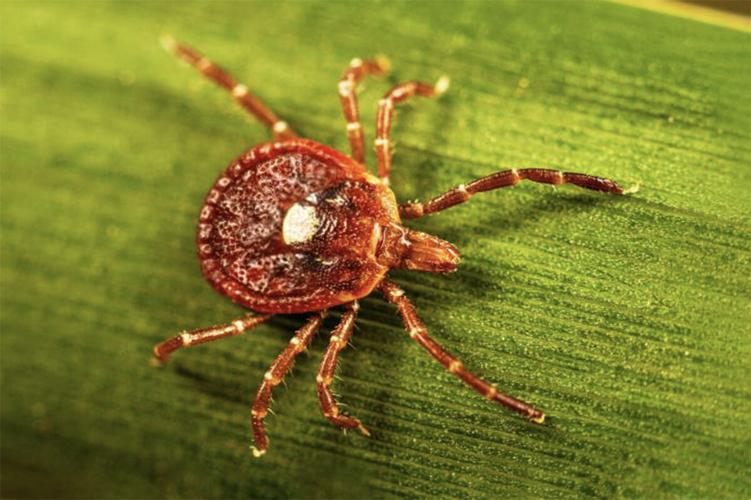

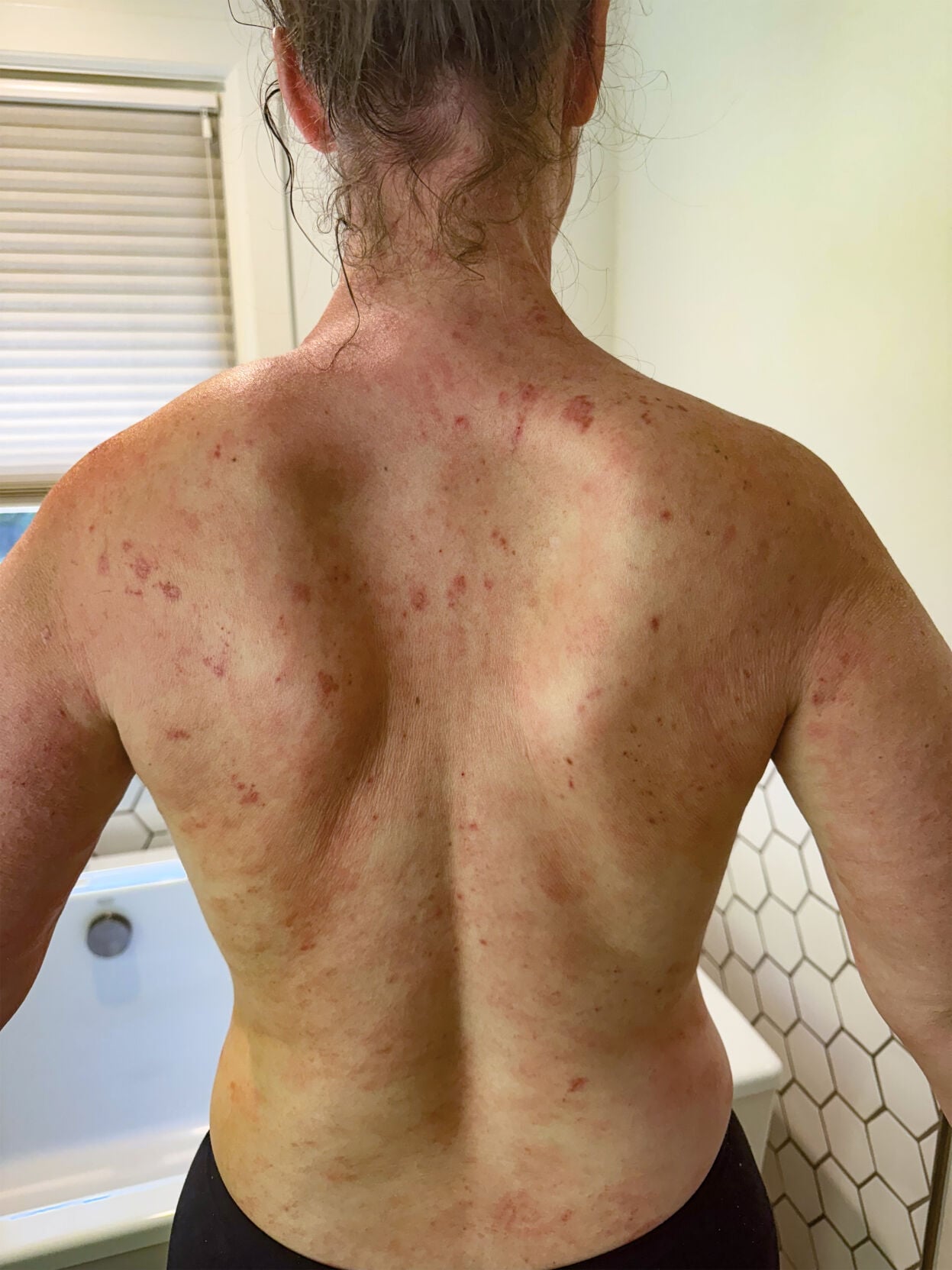
Standing under an eastern hemlock tree near a thicket of lizard’s tail in her backyard — a tick’s dream — Casey Hamaker had flashbacks to the day she first contracted alpha-gal syndrome. It’s a mysterious illness spreading rapidly across the United States.
People are also reading…
- Federal Reserve raises interest rates for first time since 2023
- Strong El Niño expected to bring moisture to Plains
- Soybean harvest in full swing, some begin cutting corn
- Studies continue into rising rates of cancer
- The PCV2 landscape has changed. Is your protection keeping up?
- What’s in our water? An engineer’s perspective on groundwater, soil health and future generations
- Midwest cash rents forecast to be flat
- ‘Policy hasn’t kept up with public demand,’ leader says
- A veterinarian’s perspective on failed execution of Tennessee woman
- Wet fall causes issues with soybean seed quality
- When you pass on, what do you pass down?
- Pork leader talks national policy, local impact
- Freezer on the fritz sends stress level to boiling
- October heat shuts down beet harvest for fear of spoilage
- How the sausage gets made
Elizabeth L. Cline is with the Arkansas Times. This story is a product of the Mississippi River Basin Ag & Water Desk, an independent reporting network based at the University of Missouri in partnership with Report for America, with major funding from the Walton Family Foundation.
How to keep the creepy crawlies at bay
In a region where outdoors is a way of life, there’s no need to cede territory or fun to ticks. Basic precautions can go a long way to avoiding alpha-gal.
• Practice basic precautions. Wear long socks tucked into pants; avoid rubbing up against tall grass and brush. Stay on trails. Consider wearing permethrin-treated clothing and tick repellents labeled for skin application. And stay on guard, as ticks are now more active year-round due to climate change.
• Conduct a thorough tick check. Check for ticks on clothes and skin while outside. Once inside, remove clothes and closely check armpits, genitals and scalp. Dry clothes on high heat to kill undetected ticks, and take a shower to help detect ticks and wash them off of skin.
• Remove ticks quickly and carefully. Try to pluck off ticks before they bite. If attached, remove quickly to decrease changes of getting a tick-borne illness. Using tweezers, pull carefully near the head. Once removed, clean the bite area.
• Evaluate landscaping. Eliminate piles of leaves and brush. Consider avoiding plants that attract deer and other host animals, like raccoons and rabbits. Do not feed wildlife, as that can lead to hosts lingering and dropping ticks.
• Consider precautions for pets. Tick-control medication is shown to reduce tick bites in their human owners.
• Be tested if you have symptoms. Alpha-gal syndrome is diagnosed by a blood test and can only be confirmed when symptoms are present. There’s currently no cure for alpha-gal, but it is manageable with proper medical care and, for some, goes away within three to five years.
Be the first to know
Get local news delivered to your inbox!


