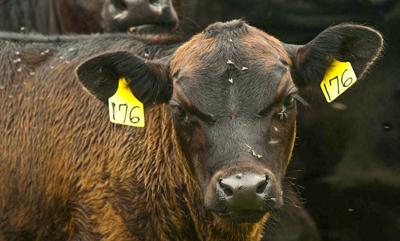





With the modalities of fly and insect control available today, cattle producers do everything short of shielding their herd’s health and performance with a magnetic force. To promote healthier herds and prevent production losses to cattle operations, let’s review practical guidance on control methods.
Livestock vet, entomologist share insights on fly control

Controlling feedlot flies starts with sanitation. Without that key step, any other mitigation strategies will likely be disappointments. Stable flies breed in mixtures of spilled feed and manure – especially around feeding aprons, under feed bunks, in feed-storage areas and under fences. Any wet or stagnant area with combinations of organic matter, manure and soil can be a potential trouble spot. Removing feed and manure from those areas promptly deprives the flies of potential breeding areas, which in turns helps prevent explosive increases in fly populations.
Stable flies are most active between 10 a.m. and 4 p.m.; after that they seek shaded areas to roost. Eliminating weedy areas around the edges of pens, near feed-storage areas or along the edges of manure-containment facilities reduces the number of “safe spaces” for flies – which should help keep populations in check. The life cycle of a stable fly lasts about two to three weeks, so scraping pens every 14 days reduces opportunities for flies to reproduce. Hoof action also disrupts the life cycle, so keeping pens fully stocked will help to reduce fly numbers – if mud issues can be avoided. – South Dakota State University
Most Popular

K-State veterinarians look at the benefits of supplementing calf nutrition with the practice of creep feeding