





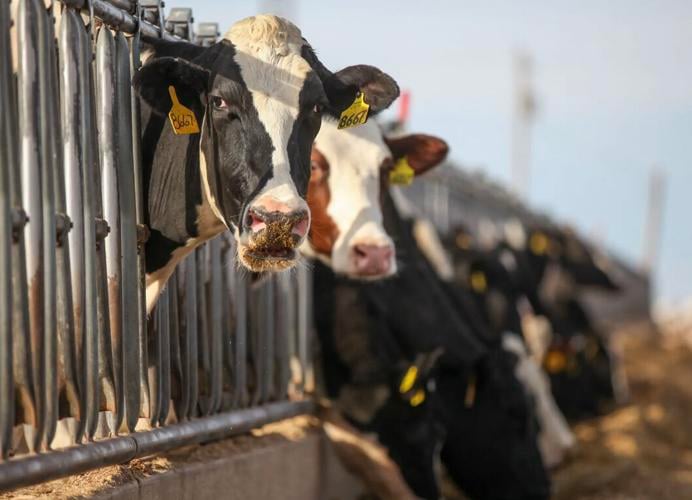
Highly pathogenic avian influenza – called avian or bird flu – has been found in diagnostic samples from dairy operations in Texas, Idaho, New Mexico and Kansas, as of April 2. The list of states continues to grow.
People are also reading…
- Strong El Niño expected to bring moisture to Plains
- Federal Reserve raises interest rates for first time since 2023
- Soybean harvest in full swing, some begin cutting corn
- Studies continue into rising rates of cancer
- The PCV2 landscape has changed. Is your protection keeping up?
- What’s in our water? An engineer’s perspective on groundwater, soil health and future generations
- ‘Policy hasn’t kept up with public demand,’ leader says
- Midwest cash rents forecast to be flat
- A veterinarian’s perspective on failed execution of Tennessee woman
- Wet fall causes issues with soybean seed quality
- When you pass on, what do you pass down?
- Pork leader talks national policy, local impact
- Freezer on the fritz sends stress level to boiling
- October heat shuts down beet harvest for fear of spoilage
- How the sausage gets made
Disease details
How do cows get the disease?
Sporadic outbreaks of highly pathogenic avian influenza have occurred in commercial poultry operations throughout the country during the past year. Migrating waterfowl are the reservoirs of the disease and are believed to be the source of the infections in this instance per the U.S. Department of Agriculture.
The disease can be devastating to the poultry industry but that doesn’t seem to be the case in dairy cattle where the disease tends to have the following signs.
- Decreased ruminations, feed intake and milk production are found in second-lactation and older cows typically more than 150 days in milk.
- Milk from affected animals has a thick, yellow, colostrum-like appearance.
- Manure is typically firm or tacky and a fever may or may not be present.
- Typically 10 percent of animals in the herd are affected, with a peak incidence at three to four days
- and the outbreak lasting 10-14 days.
- Few if any cows die from the disease, with many recovering – although many cows are culled due to poor production or mastitis.
Is milk and meat safe to eat?
Yes. Abnormal milk is not allowed into the supply chain, and the commercial milk supply remains safe due to both Federal animal-health requirements and pasteurization. The influenza virus is easily inactivated through pasteurization. This is not considered a threat to public health.
What should farms do to protect their animals?
It’s advisable that farms review their biosecurity plans with employees and other relevant personnel, as well as working closely with herd veterinarians to help mitigate risk. In particular, farms should enhance basic biosecurity protocols.
- Limit the access of wild birds, particularly waterfowl, to the food and water sources of cattle. Prevent any “backyard birds” from having contact with dairy cattle.
- Reduce the frequency or eliminate non-essential visitors to the farm.
- Ensure any farm visitors wear clean clothes, and disinfect boots or use disposable boot covers.
- Minimize the introduction of outside animals into the farm, particularly those from unknown sources.
- Quarantine any new animals, especially those from affected states, introduced to the farm for 21 days while closely monitor feed and water intakes.
Are there any other preventative measures that should be implemented on my farm?
Currently there are no vaccines, drugs or feed additives available for purchase to prevent infection. Normal measures – such as ensuring proper hygiene of pens, barns, feed and water sources – along with providing adequate nutrition with supplemented vitamins and minerals should be in place for the general prevention of disease.
Information from The Ohio State University
The business news you need
Get the latest local business news delivered FREE to your inbox weekly.
