




For an agricultural operation to thrive, producers must sometimes look at the big picture and make decisions to benefit the long-term success of their farm or ranch. Changes made on a farm now might take years to realize their positive effects, but those changes can be crucial to the farm’s survivability.

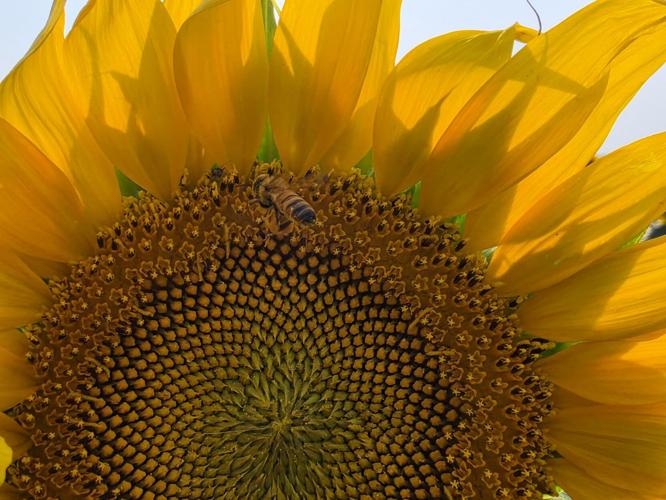
A bee pollinates a sunflower near Groton, SD, in late July 2026. Sunflowers grown in a rotation with cover crops have been shown to have a higher sugar content in their nectar, which is beneficial for pollinators.

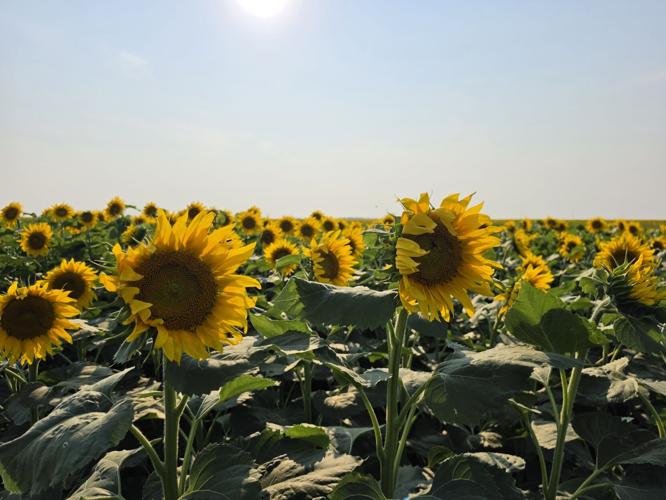
A field of sunflowers grows near Groton, SD, in late July 2026. While sunflowers are rare in the eastern portion of the state, they are still a viable crop and a beneficial addition to traditional crop rotations.

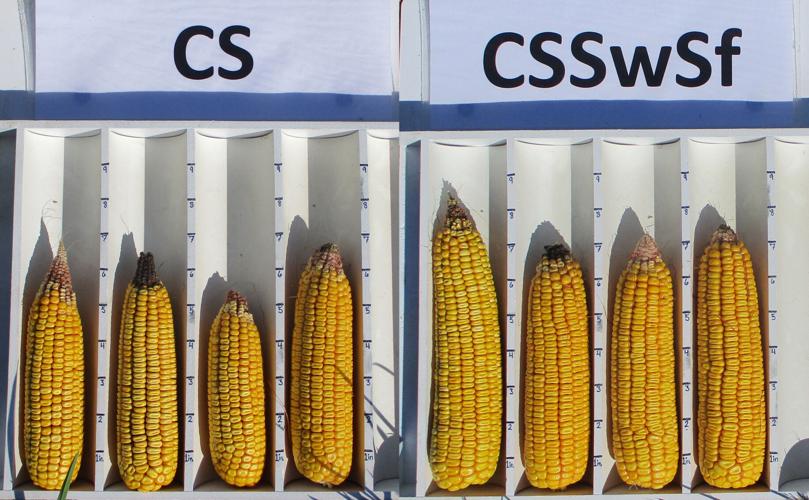
These ears of corn were taken in 2024 from the long-running crop rotation experiment at the North Central Agricultural Research Laboratory near Brookings, S.D. The ears on the left were taken from a corn-soybean rotation. The ears on the right were taken from a corn-soybean-spring wheat-sunflower rotation. This comparison shows a yield advantage for corn grown in the diverse four-year rotation that includes sunflowers.
People are also reading…
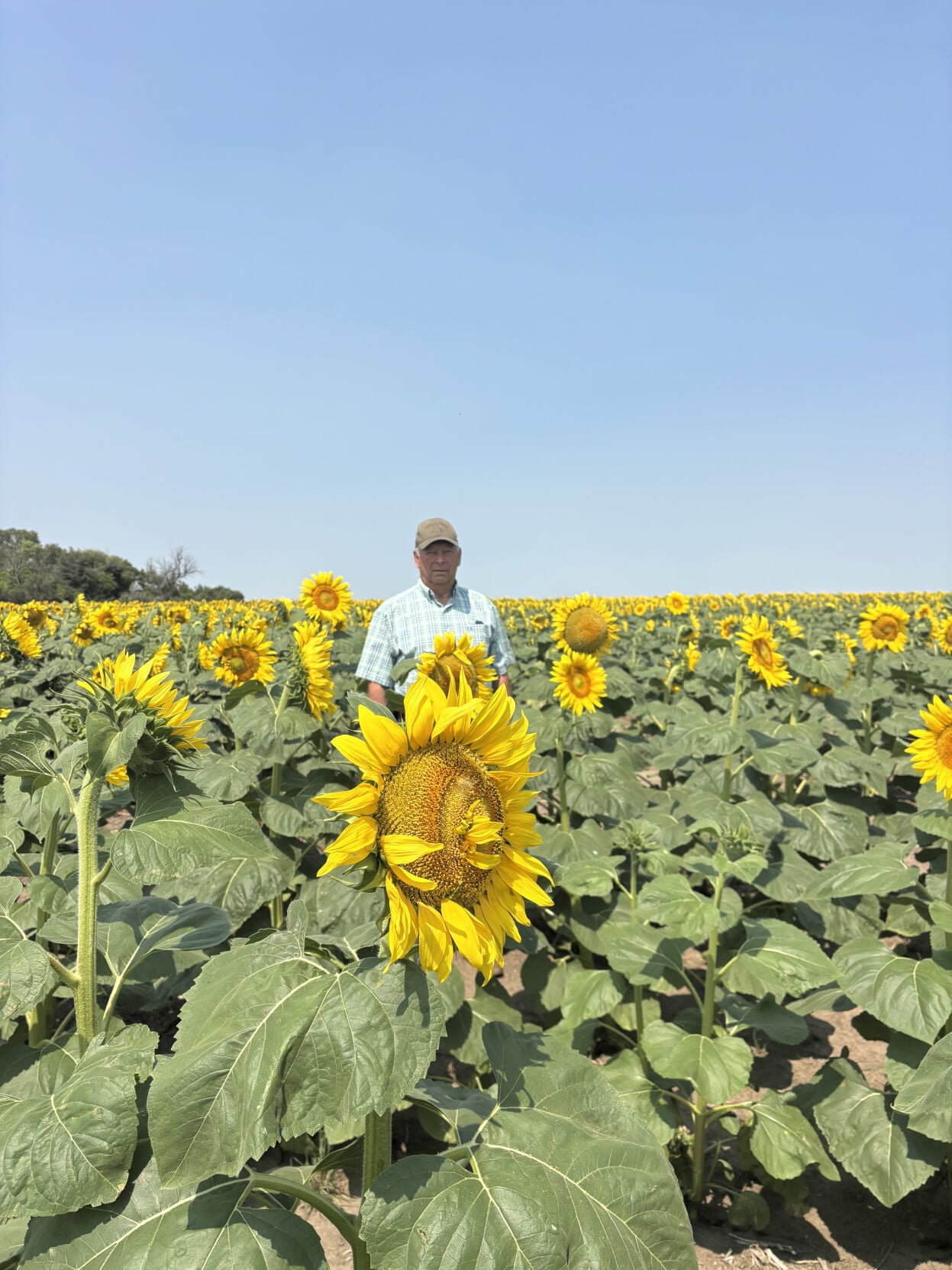
Onida, S.D., producer Chuck Todd is the president of the National Sunflower Association and chairman of the South Dakota Oilseeds Council. He believes that sunflowers can be a profitable addition to crop rotations in eastern South Dakota.

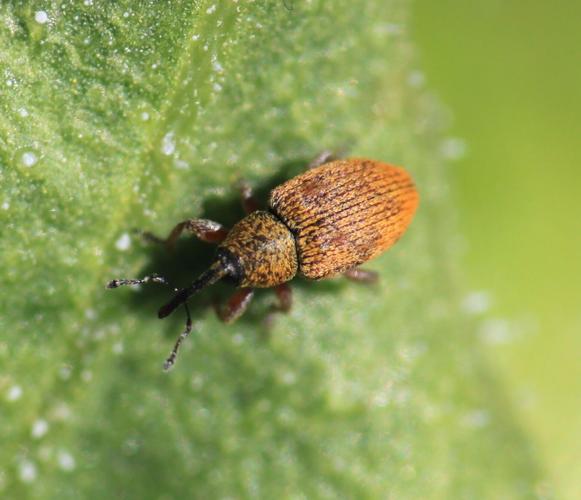
This photo shows a female red sunflower seed weevil. The weevil’s bodies are dark in color but are covered with reddish-orange hairs. They have an elongated snout with antennae that originate from the snout.