




Modern-day travelers crossing Otoe County in Nebraska are familiar with the towns dotting the map near Highway 2, from Nebraska City on the far eastern border to Palmyra on the west and Dunbar, Syracuse and Unadilla in between. But these settlements were nonexistent when pioneers first traversed the land in prairie schooners before Nebraska reached its statehood and the Civil War loomed on the horizon.

This map of Otoe County, Neb., shows the westbound trails of the 1860s.

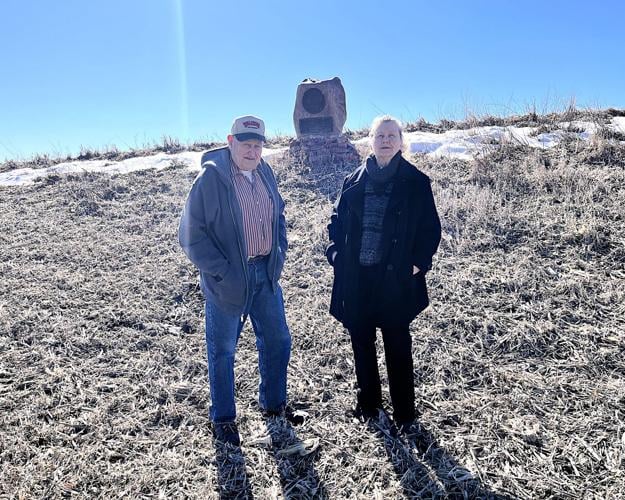
Dennis Wendeln and Judy Moore shared valuable history about Nursery Hill, Neb., a stage station located 20 miles west of Nebraska City that flourished during the western migration of the late 1800s.

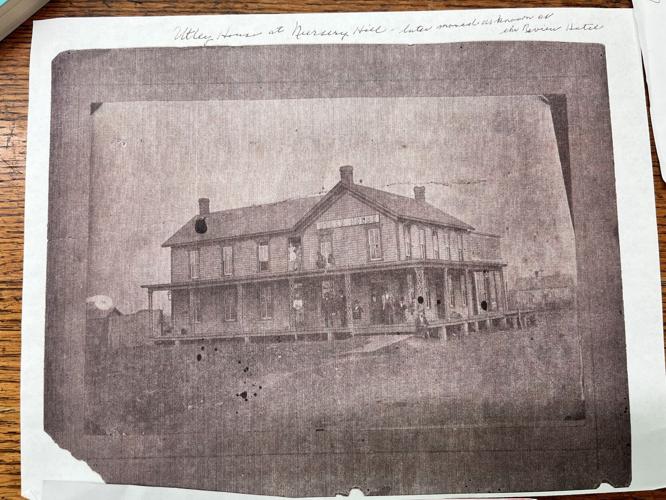
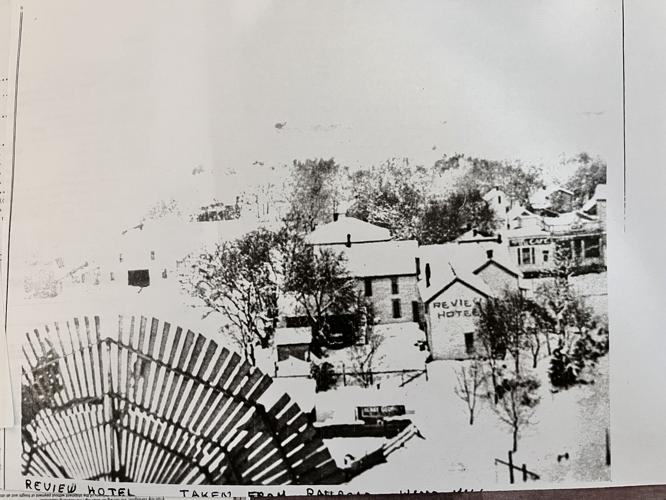
The Utley home was moved to Syracuse, Neb., and renamed “The Review Hotel.” This bird’s eye view photograph was taken from the top of a windmill in Syracuse.

The Utley house was a mansion at Nursery Hill, Neb., and served as a hotel for travelers to the stage station.

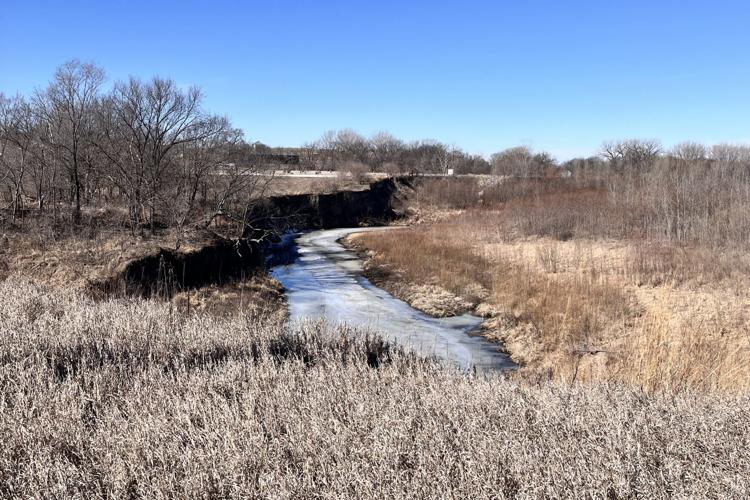
Long before the river channel cut deeply from water erosion, a water-powered grain mill operated along the Nemaha River west of present-day Syracuse, Neb.

The trail through Nursery Hill was no longer needed to transport supplies westward when a railroad track was built on the east side of the Nemaha River. The town of Syracuse formed as a result.
People are also reading…

The 1871 diary of William Y. Heather shows his place of residence at “Nursery Hill, Nebraska.”

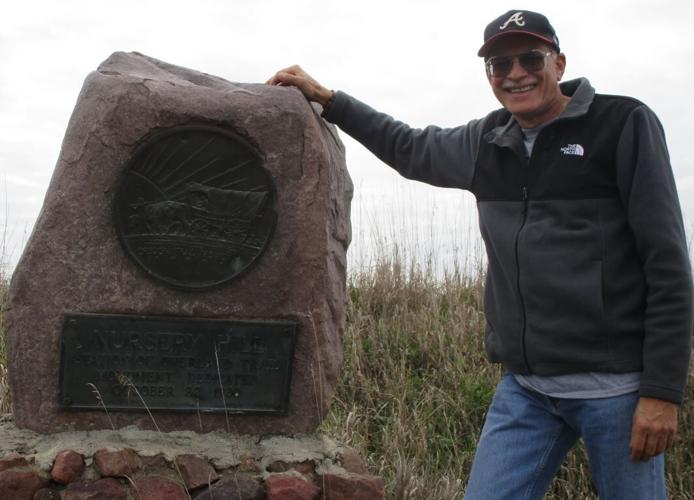
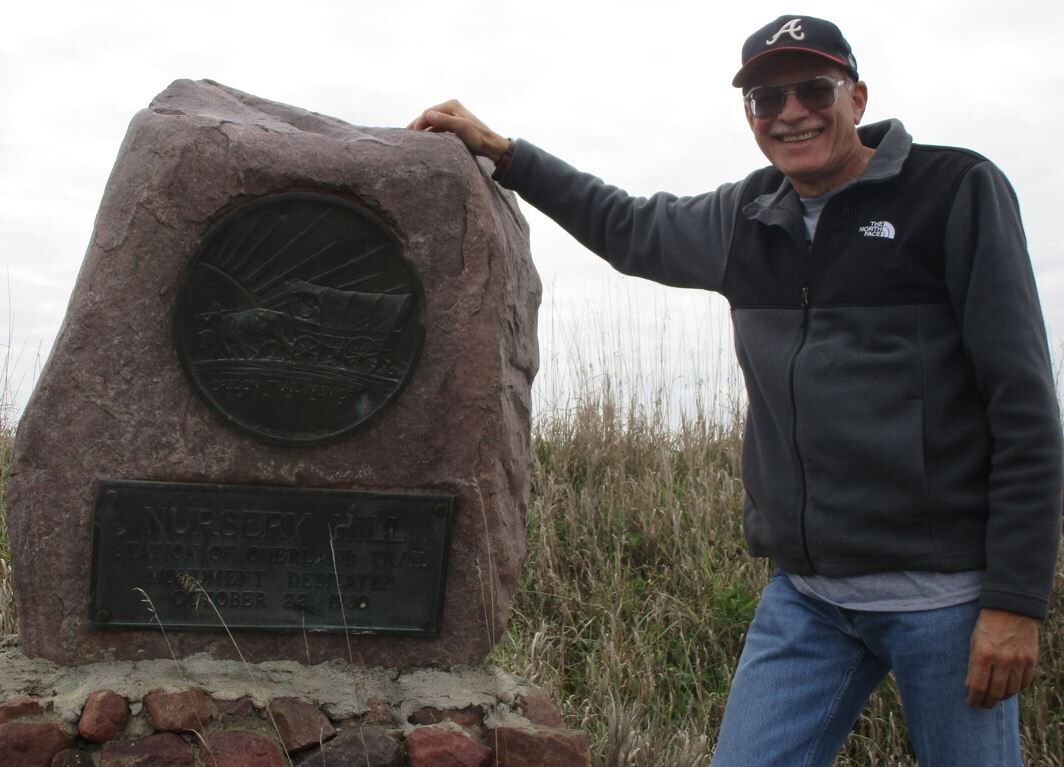
A historical marker was dedicated in 1930 at the original site of Nursery Hill and can be found 1 ½ miles east of Syracuse, Neb.
Mysteries on the Map is a series that highlights a different ghost town and how it contributed to the rich history of Nebraska. Running through the summer months, it pays tribute to the pioneers who endured incredible hardship and paved the way so that we can now enjoy the good life called Nebraska. If you have suggestions or stories to share about a community that no longer exists, contact reporter Kristen Sindelar at Kristen.Sindelar@midwestmessenger.com.

Kristen Sindelar
Agriculture Reporter