





In recent years, substantial progress has been made in understanding biological and genetic sources of variation in feed efficiency of growing cattle consuming energy-dense mixed diets during the post-weaning phase. In contrast, much less is known about feed efficiency of cattle consuming moderate- to low-quality forage diets. That is important because approximately 74 percent of the total feed required to produce beef comes from forage.
Find forage-efficient heifers
1 of 2
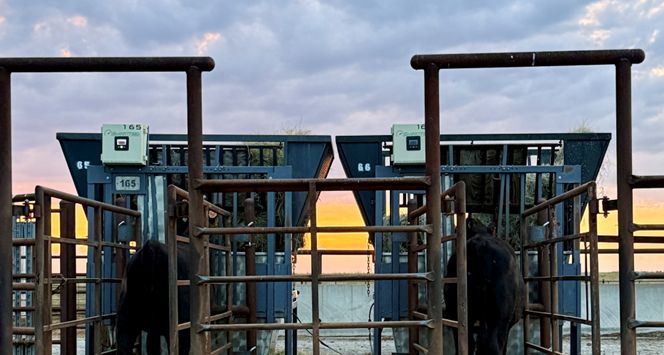
The forage intake facility is shown at the Range Cow Research Center near Stillwater, Oklahoma.
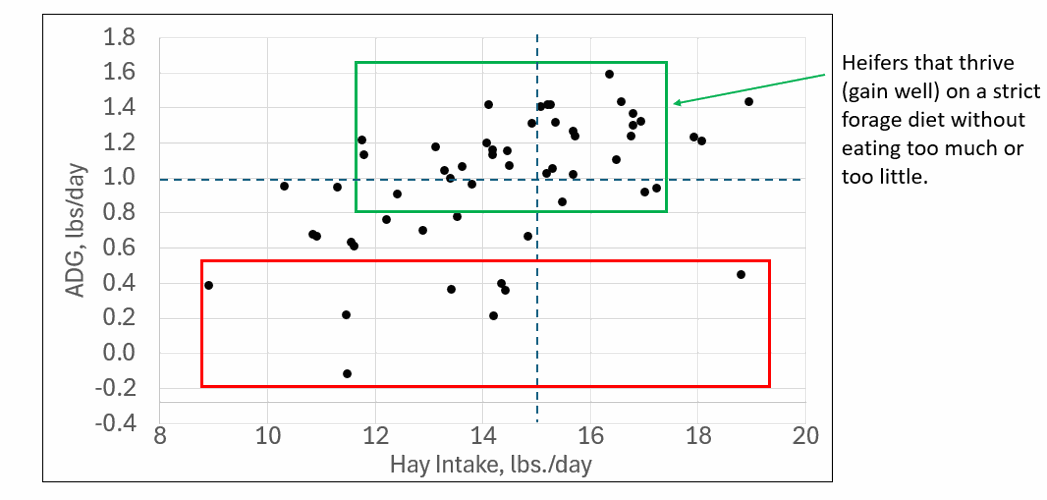
Hay intake and average daily gain for heifers consuming bermudagrass hay is shown.
Most Popular

The Great Plains has functioned as an ideal habitat for the North American bison for thousands of years. But according to new research from So…

Farmers comprise just a little more than 1 percent of the U.S. population. There’s never been a larger gap between the farming and non-farming…

The Asian longhorned tick -- Haemaphysalis longicornis -- is an invasive tick species originally native to China, Japan and other East Asian c…

Funding available to support disease control, prevention

In today’s cattle market, something as simple as a tag number or brand can carry added importance for producers working to protect their investment.