





A new study led by University of Illinois scientists reveals critically-small genetic variation in one of the country’s primary breeding stocks for corn. The finding relates specifically to grain yield in intermediate-maturity hybrids, which dominate commercial production in the United States and represent almost a third of the world’s corn production.
Top Story Topical
Corn hybrids headed for emergency
1 of 5
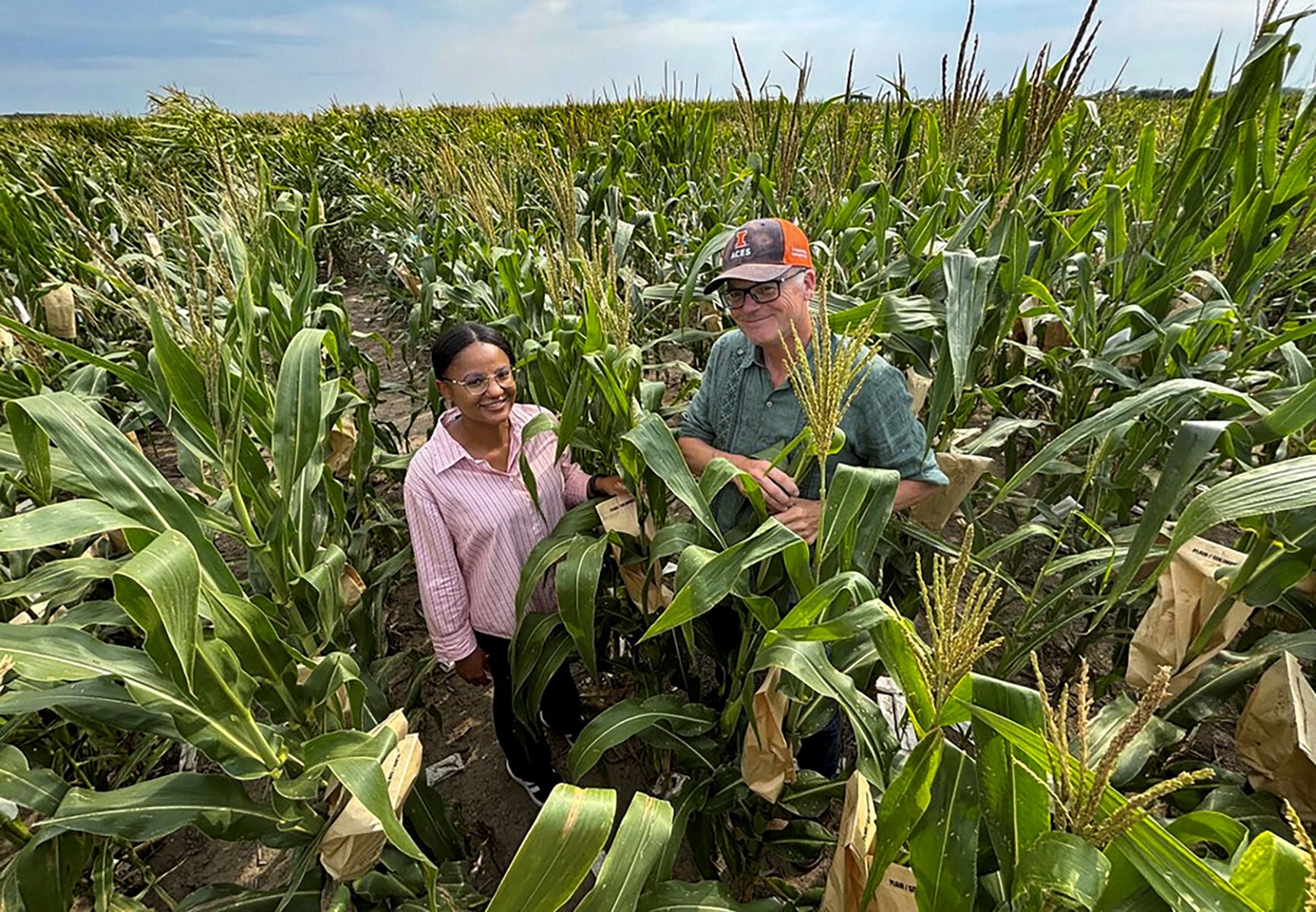
Jenifer Camila Godoy dos Santos and Martin Bohn do research in a cornfield.
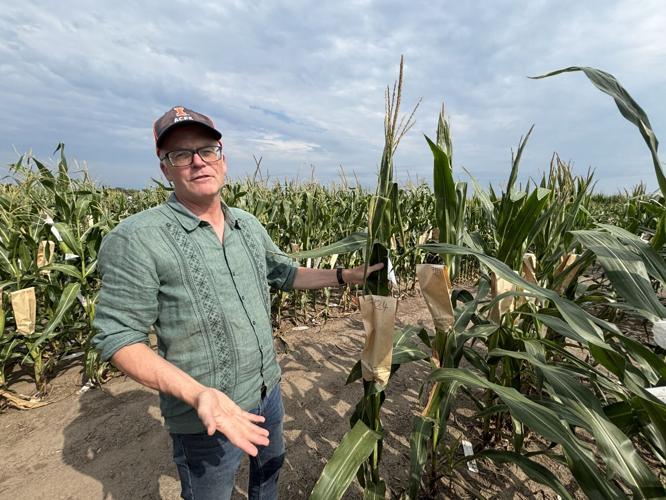
Martin Bohn, a corn breeder and crop-sciences professor at the University of Illinois, says, “(Genetic variety is) important because if we don’t have variation, then we don’t make progress. Without variation, we can’t adapt our germplasm to changing growing conditions, climate change, or diseases that might come up."
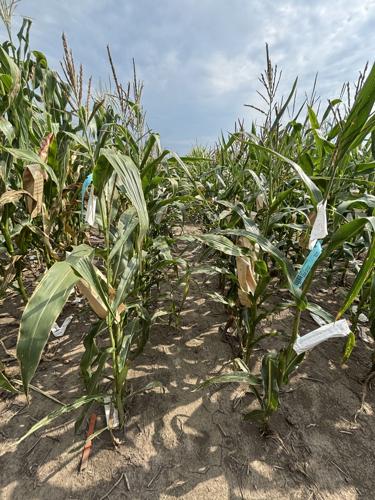
Researchers say corn breeders should take purposeful steps to reintroduce genetic variability into the breeding pool.

Researchers grew 162 single-cross hybrids in more than 30 U.S. and Canadian locations, gathering phenotypic data across maturity groups. Then they handed that mountain of data to computational experts Jenifer Camila Godoy dos Santos, a postdoctoral researcher, and Alex Lipka, a statistical geneticist and professor of biometry, at the University of Illinois.

Most Popular

Editor’s note: Data centers are increasingly becoming an agricultural issue. According to the American Farm Bureau Federation, “Demand for dat…

August delivered quite the finale to the summer season, with sharp contrasts from hot days to cool nights, heavy rainfall to worsening drought…

Agriculture is one of the most dangerous occupations in the United States. Each year vehicles, machinery, environmental hazards and other inci…

Every sports star needs an assist sometimes, and The Ohio State University researchers are hoping chaff lining might play that role for herbic…

As producers prepare for silage harvest, remember that corn silage harvest is one of the most fast‑paced high‑stakes periods on a dairy farm, …