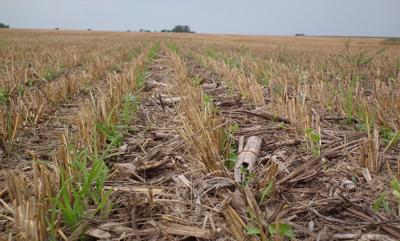





The research behind cover crops is clear. The sustainable agriculture practice enhances soil fertility and structure, improves soil infiltration and water storage, reduces soil erosion, controls weeds and pest and even improves cash crop yields. Cover crops also generate off-farm environmental benefits by scavenging excessive soil nitrogen in corn fields and decreasing nutrient runoff into waterways.
Cost share programs create a spillover effect for widespread cover crop adoption
New research from SDSU finds cost share programs help farmers overcome barriers to cover crop adoption

Cover crops benefit the soil by controlling erosion, improving soil structure and fertility, and improving water retention and availability.
Most Popular

For a plant that grows naturally on the Midwest prairies, significant effort goes into starting native grasses and flowers in a greenhouse.

The Women’s Ag Network (WAN) is launching two scholarship opportunities designed to support women in agriculture, conservation and ag-adjacent…