
Farm transitioning can be a tricky and time-consuming process — especially if not all the children want to continue on the farm.


Farm transitioning can be a tricky and time-consuming process — especially if not all the children want to continue on the farm.
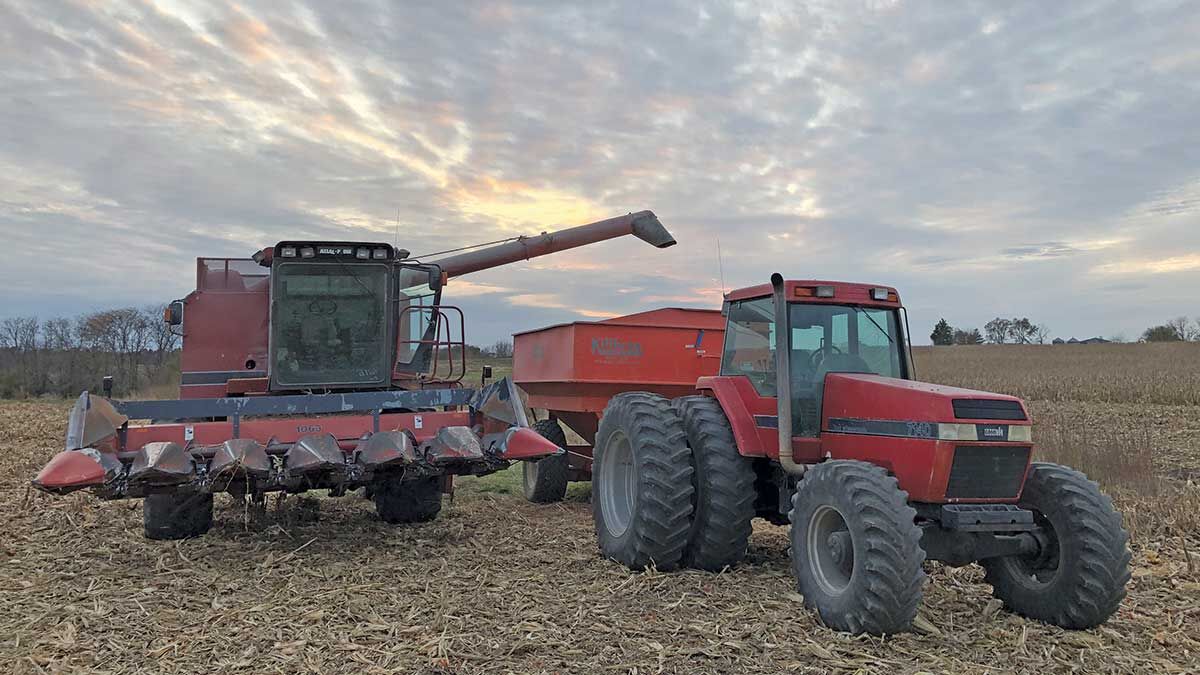
A cart needs a horse. A combine needs diesel fuel. A farm’s future needs more than one transition plan.

Handling grain harvest duties around livestock needs makes for hectic times and busy hands on Midwest farms.

U.S. President Donald Trump on Oct. 5 ordered expanded access to the tax-exempt, dyed diesel fuel typically used to power heavy agricultural and construction equipment operated off public roads.

The USDA released its quarterly Hogs and Pigs report Sept. 24, and it showed lower hog inventory and breeding herd numbers than a year ago.

LONE TREE, Iowa — Chad Yoder has steered his family pork operation for lasting sustainability in southeast Johnson County.

Dustin Coleman’s journey to become a pork producer started 15 years ago when he was looking for a job.

Ongoing producer education is a priority for pork producers and organizations.

The past few years have been tough for pork producer Aaron Bertan of Paxton, Illinois.

For years, the Baby Boomer generation has led in U.S. pork consumption.
New research shows that PCV2d is the major genotype among clinical PCVAD cases; broad vaccine protection against key genotypes may help.
With recent rains adding moisture across parts of the Corn Belt, growers may be trying to determine how early to get those combines rolling.

Some new corn hybrids short in stature may be long on promise.
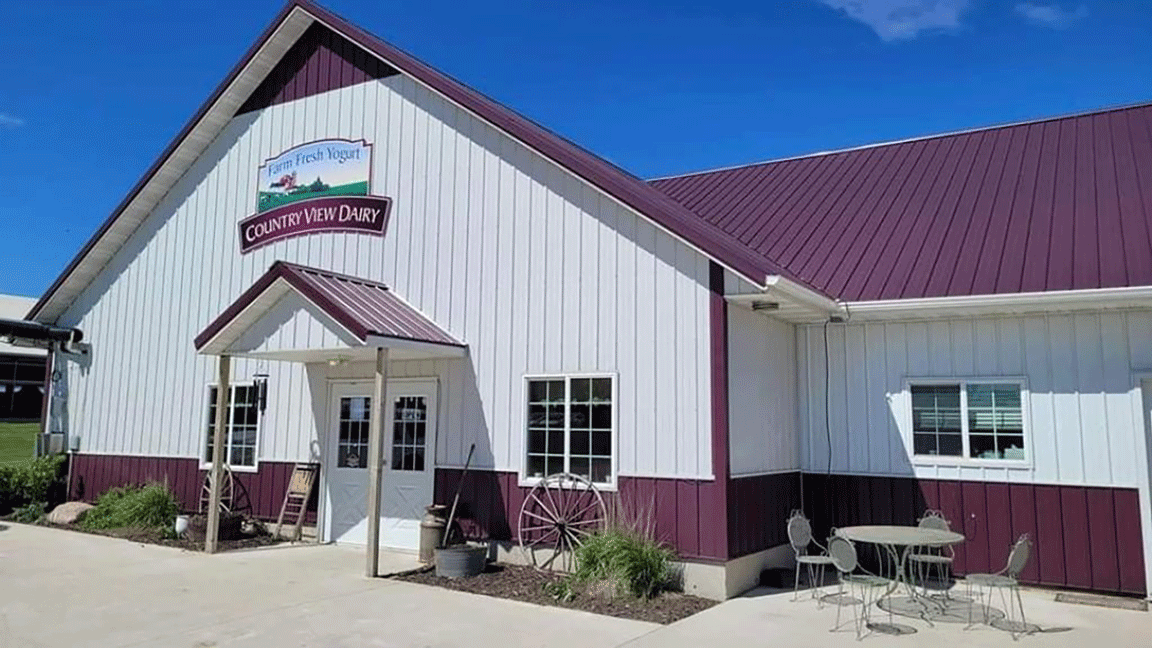
Agriculture businesses and the Iowa Department of Agriculture and Land Stewardship are settling final details for the second Choose Iowa Fall Crawl Oct. 9-10.
New pre-emergent chemistry offers hope for growers battling the most aggressive resistant weeds in North America.

Live from the Big Iron Farm and Construction Show on Wednesday, Sept. 16, Kent Thiesse, farm management analyst, and Bryon Parman, NDSU farm management specialist, joined the Red River Farm Network’s “Issues and Events Center” to discuss the farm economy and the tight margins farmers are dea…

Opportunities don’t always fall into our hands. Sometimes it takes reaching out and grabbing them.

With the U.S. cattle inventory at its lowest in 75 years, the industry continues to watch for signs producers are retaining heifers and starting to grow the national cattle herd.

A4-H member from Illinois was one of three recently selected to serve as a member of the Young Alumni Advisory Committee. YAAC connects emerging leaders with opportunities to continue to contribute to 4-H.

Tech schools and community colleges continue to provide ag education with new facilities, college farms and work experience programs.

Jess Smithers was raised on a grain and livestock farm in western Illinois. He has more than 25 years of experience in agricultural education, which includes the past eight years in his role of director of agricultural programs at Richland Community College in Decatur, Illinois.

From identifying crop problems to turning years of field data into management guidance, artificial intelligence is moving closer to the decisions producers make every day. University of Nebraska researchers want to know how producers and future agricultural professionals view this changing r…

As artificial intelligence applications become more sophisticated and widely used — and as more money gets poured into developing these applications — the computing needs become greater.

Harvest will tell the final story of this year’s crops, but timely rains have helped them look promising in many parts of the Midwest.
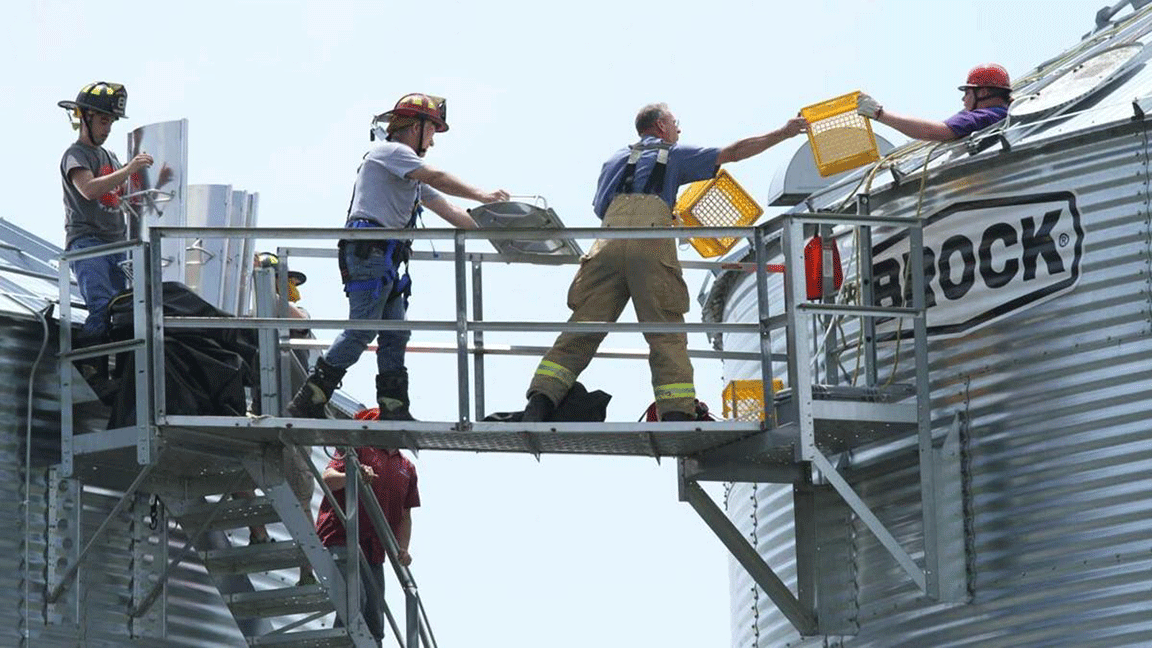
University of Illinois researcher Salah Issa has been spreading the farm safety message this year on a broad range of topics with the help of on-the-ground experience.
Recently Listed


© Copyright 2026 AgUpdate, 707 S 13th Street Tekamah, NE 68061
A Lee Enterprises, Incorporated newspaper. Majority shareholder: David Hoffmann, Hoffmann Media Group.
Get up-to-the-minute news sent straight to your device.


