
With recent rains adding moisture across parts of the Corn Belt, growers may be trying to determine how early to get those combines rolling.
A Lee Enterprises, Incorporated newspaper. Majority shareholder: David Hoffmann, Hoffmann Media Group.

- By Nat Williams for Iowa Farmer Today
Some new corn hybrids short in stature may be long on promise.

New pre-emergent chemistry offers hope for growers battling the most aggressive resistant weeds in North America.

- Benjamin Herrold
Harvest will tell the final story of this year’s crops, but timely rains have helped them look promising in many parts of the Midwest.

- Nat Williams for Lee Agri-Media
Most seed put into the ground in the Midwest is treated, but the jury is still out as to the most effective use of chemical and biological additives. There’s little doubt that treatments are beneficial but there’s much to be learned.

- Benjamin Herrold
Down in southeast Missouri, the cotton and rice crops are getting close to harvest, and it has been a generally good weather year for the crops.

- Fred Hall Iowa State University
As producers prepare for silage harvest, remember that corn silage harvest is one of the most fast‑paced high‑stakes periods on a dairy farm, and the decisions made in the next few weeks will shape feed quality for the entire year. Four factors -- cut length, moisture, packing density and pi…

- Benjamin Herrold
COLUMBIA, Mo. — Construction progresses on the new University of Missouri Soybean Cyst Nematode Diagnostics Lab.

- Benjamin Herrold
ROCK PORT, Mo. — On an overcast late-August day, University of Missouri Extension agronomists and specialists talked about crop productivity, technology and ongoing research at the annual MU Graves-Chapple Extension and Education Center field day.

The Peterson Farm Brothers, Greg, Nathan and Kendal, are fifth-generation farmers working the land in central Kansas. Although many might know them from their popular farming content on YouTube and other social media channels, their day-to-day still revolves around raising beef cattle and gr…

- Tim Kenyon
MONTICELLO, Iowa — About 125 area farmers gathered Aug. 18 to get information on insurance considerations, storage challenges, grazing options and other management strategies following heavy storm damage earlier this month in eastern Iowa.

- Benjamin Herrold
As summer nears its finish, many farmers are making decisions on when to take a last cutting of hay and which pastures to let grow as stockpiled forage for grazing later.

- Crystal Reed
EFFINGHAM, Ill. — Farmers at Beck’s Hybrids Becknology Day in southern Illinois Aug. 7 had the chance to see how crops reacted in a “hot spot” for red crown rot.

- Crystal Reed
EFFINGHAM, Ill. — An Aug. 7 Becknology Day tour aimed to help guide farmers as nitrogen prices rise.

- Crystal Reed
Harvest gets closer with each passing week, and the story of this season remains the same: Massive precipitation events in some areas and too little in others.

- Benjamin Herrold
As August rolls on, the anticipation of harvest builds with each week. Farmers see the sunsets creeping earlier and crops moving closer to the finish line. The last weeks before harvest are a time for getting equipment ready and making plans for storing grain.

- Crystal Reed
CHRISTIAN COUNTY, Ill. — Water quality is driving state agriculture funding decisions and political campaigns this year.

- By Garland Dahlke, Iowa State University
AMES, Iowa – This past weekend, a severe hailstorm ravaged parts of eastern Iowa, destroying what was expected to be a record-contending corn crop. Following any hail event, a call to your insurance agent and crop advisor is the first step. After insurance adjustments, next is: how do we bes…

- Crystal Reed
Harvest is coming. Farmers are counting down the days.

Editor’s note: The following was written by Chad E. Hart, Iowa State University Extension economist, for the July Ag Decision Maker newsletter.

Each season, growers sorting through seed decisions face a flood of yield claims and performance data. Company X says its seed outyielded Company Y’s, and the comparisons keep coming. Instead of clarity, the numbers can create more questions and leave growers unsure what to do next.

- By Jeff DeYoung, Iowa Farmer Today
Silage choppers will soon be dotting the landscape as farmers bring in that valuable crop. Until then, there are things that need to be done, said Ben Beckman, Extension educator with the University of Nebraska based in Hartington.

- Crystal Reed
Warm and inconsistent weather patterns are leading to increased pest pressure for farmers in the Midwest.

- Benjamin Herrold
While every growing season has its own variety, over a century of weather data helps portray what an average growing season looks like in different areas.
- By Ankit Yadav and Amit Jhala, University of Nebraska
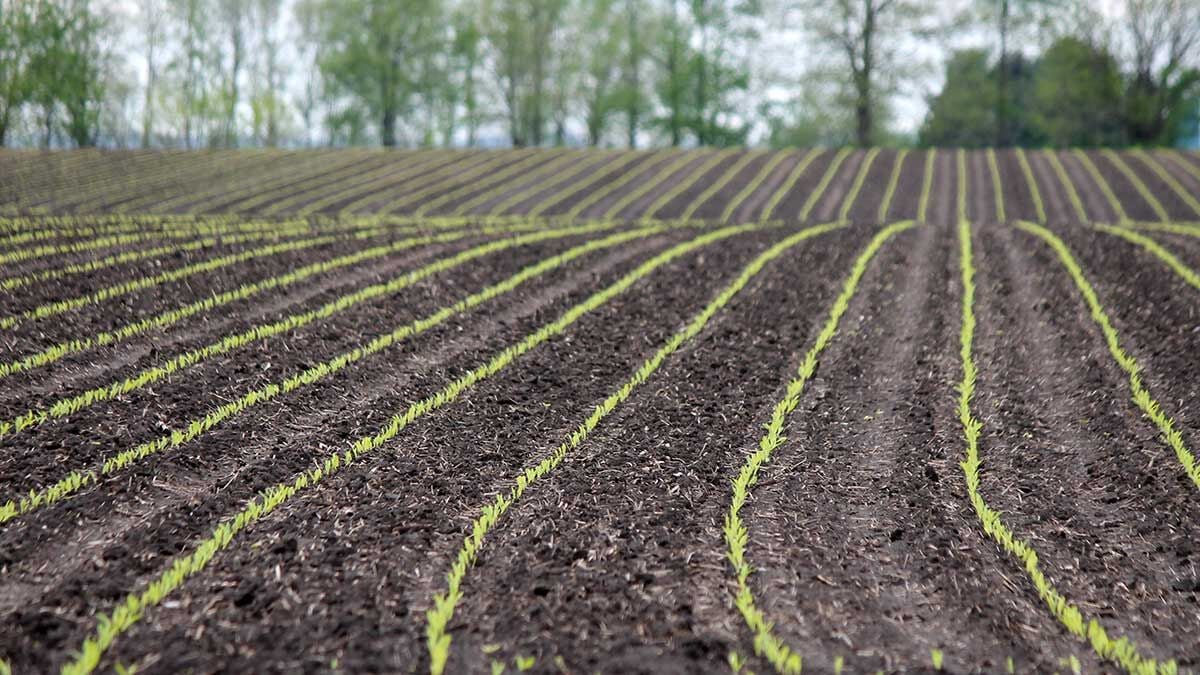
Escaping weeds may tempt growers to spray later into the season, but corn growth stage restrictions remain critical.
Recently Listed