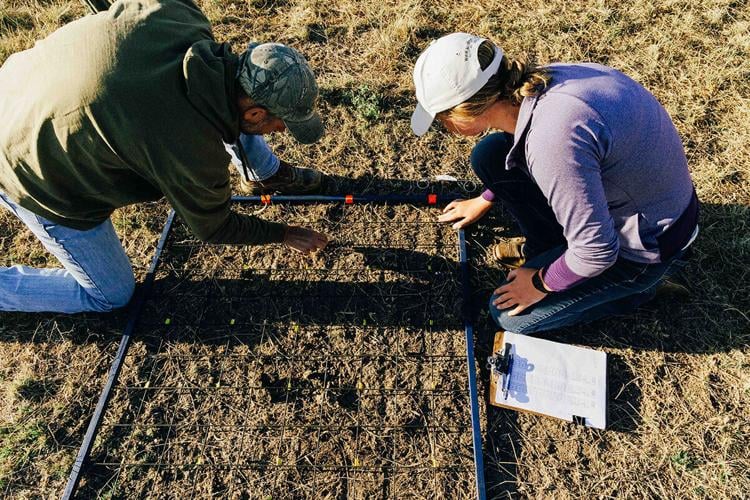





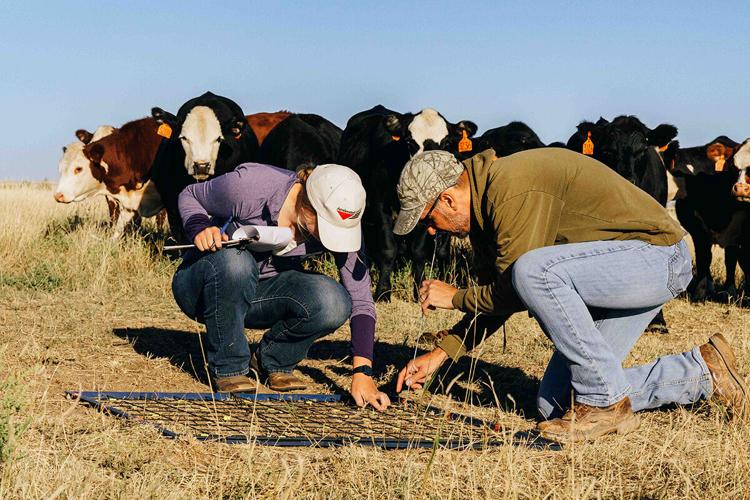
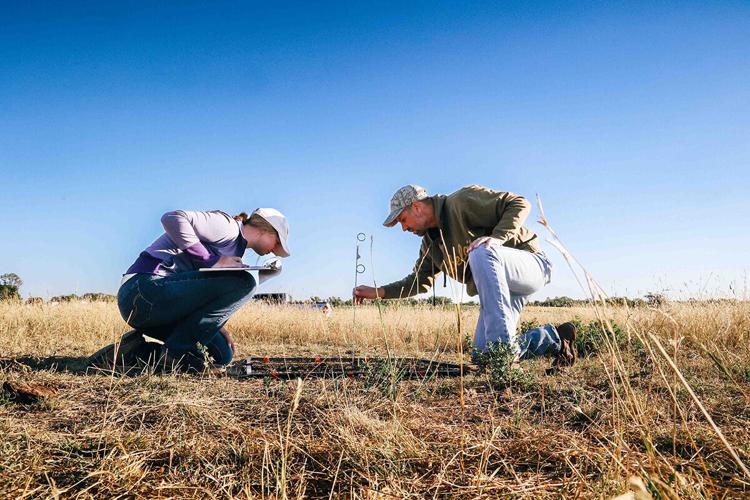
Growing up on a Nebraska cow-calf operation, Tasha Macholan saw how drought and changing pasture conditions could complicate livestock management.

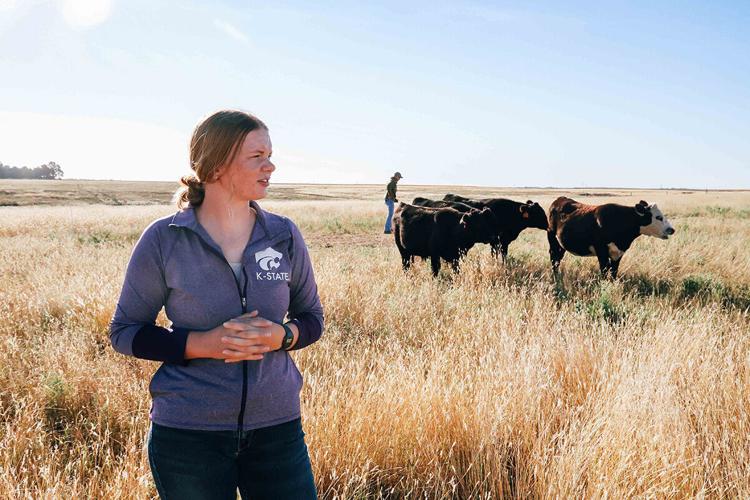
"There have been studies looking at burning it and using chemicals to control it. My project is a little bit different. We're looking at on-ground supplementation," K-State grad student Tasha Macholan said.

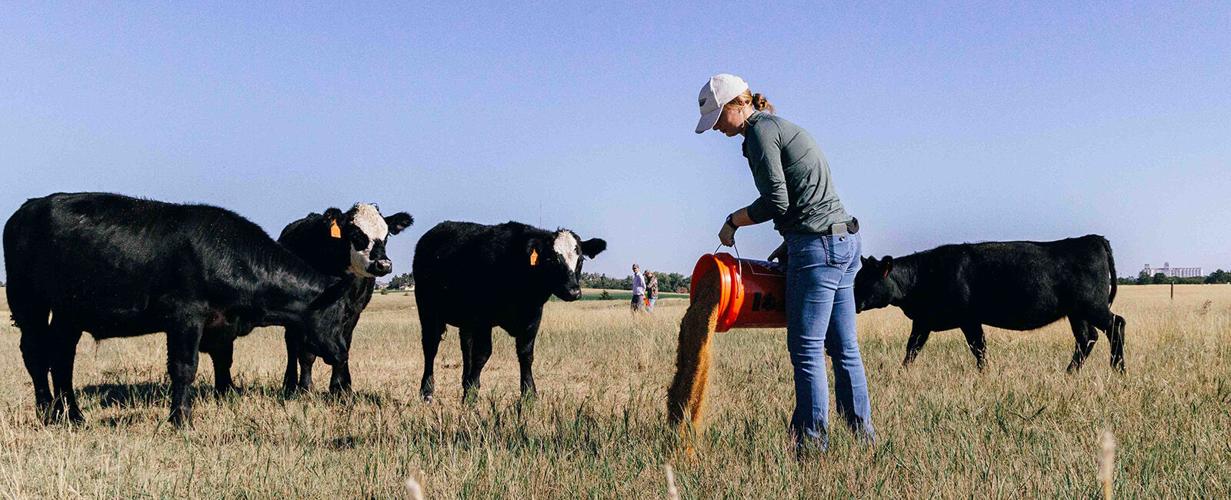
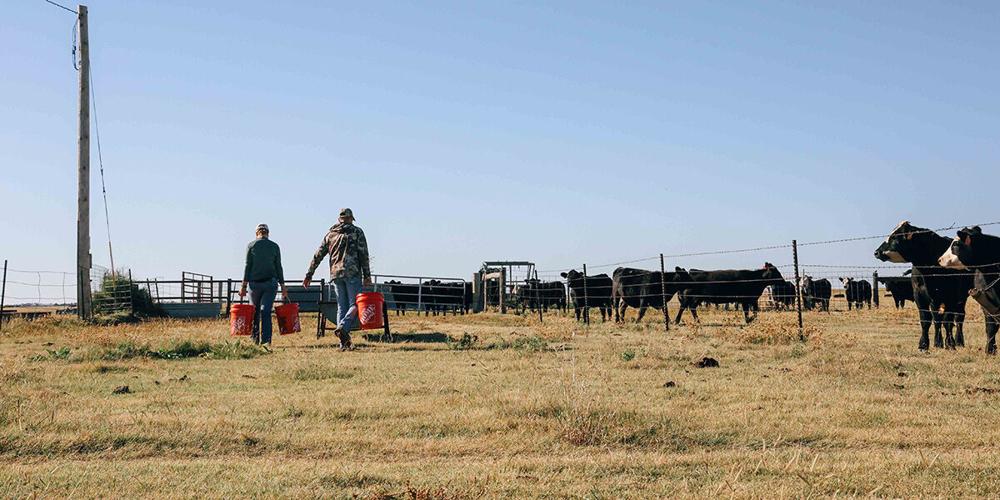
K-State graduate student Tasha Macholan pours dried distillers grains on pasture for a group of calves in her research project. By placing the grains where invasive grasses grow, cattle could help control weeds while gaining nutrition.

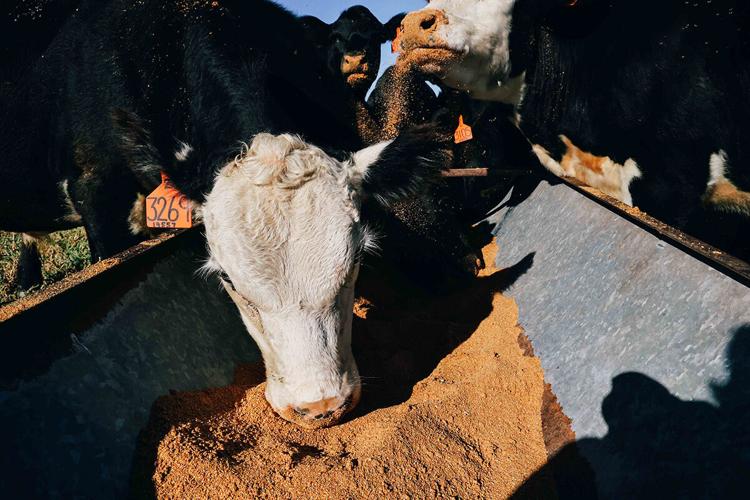
During the latter half of the grazing season, cattle in six pastures receive dried distillers grains twice per week. Three groups are fed in bunks, while the supplement for the other three is placed directly on the ground.
People are also reading…

Old World bluestem initially appeared in an average of about 74% of the small sampling squares within its designated plots. Its frequency declined to approximately 45% after the supplementation period and fell further when researchers evaluated regrowth the following year.

Previous K-State research compared distillers grains fed in bunks with feed delivered directly on the pasture surface.