





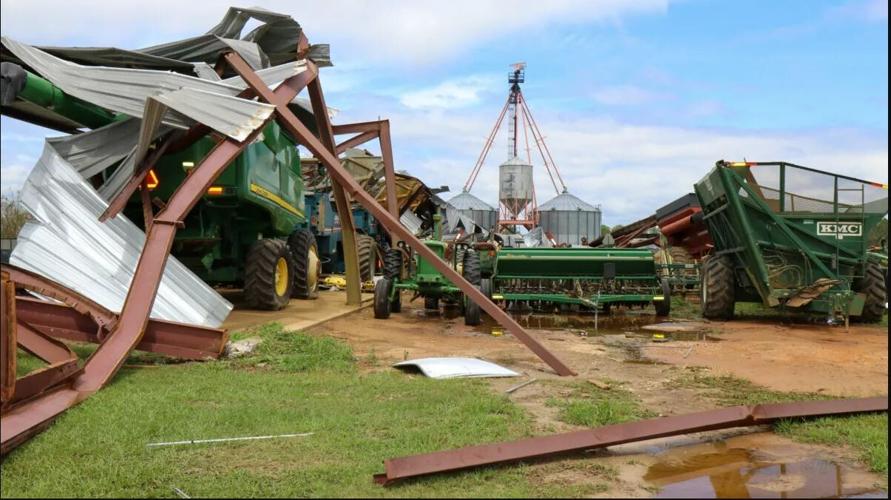

The U.S. Department of Agriculture announced Oct. 27 the allocation of more than $3 billion to support commodity and specialty-crop producers impacted by natural disasters in 2022, through a modified continuation of its Emergency Relief Program. It was initially welcomed by farmers and ranchers recovering from exceptional drought conditions, severe hurricanes, derechos, flooding and other natural disasters. But a change in how assistance is calculated will drastically reduce the support many impacted producers receive. In particular, the program’s new progressive-factoring methodology limits sufficient support to a small percentage of operations. That’s a puzzling approach when natural disasters devastate operations of all types. This report discusses how the Emergency Relief Program 2022 works.
People are also reading…
- First confirmed case of pest in soybeans
- Don’t confuse popularity with expertise when deciding who speaks for American ranchers
- As populations shrink, some communities learn to thrive
- Corn market taking notice of yield projections
- Farm Progress Show displays range in size
- Beef-production cycle slow
- Heading toward harvest, South Central Nebraska crops looking good
- Water is life for Nebraska tribe’s ranch
- Power-line project garners opposition
- Answer Plot Innovation Farm discusses spray drone advancements
- The life of a true cowboy
- Way We Live: Mensen farm raises dairy cows and colorful birds
- Farmers recall Sept. 11 as nation marks 25 years
- A gold star ranch
- When company was coming: What the farm used to teach us about talking to people

Daniel Munch
Daniel Munch is an associate economist with the American Farm Bureau Federation’s Market Intel. Visit www.fb.org/market-intel for more information.
The business news you need
Get the latest local business news delivered FREE to your inbox weekly.


