





Highly pathogenic avian influenza associated with H5N1 has caused outbreaks in poultry since 2022, but that infectious viral disease, more commonly known as H5 Influenza or bird flu, has hit dairy herds across multiple states with more than 1,000 herds affected as of June 5, 2025. While the dairy industry is charged with tracking viral mutations, measuring herd data and pulling that information together to learn more and provide valuable resources, there are things that producers can do at the farm level to help stop its spread.
Catch bird flu early to minimize risk
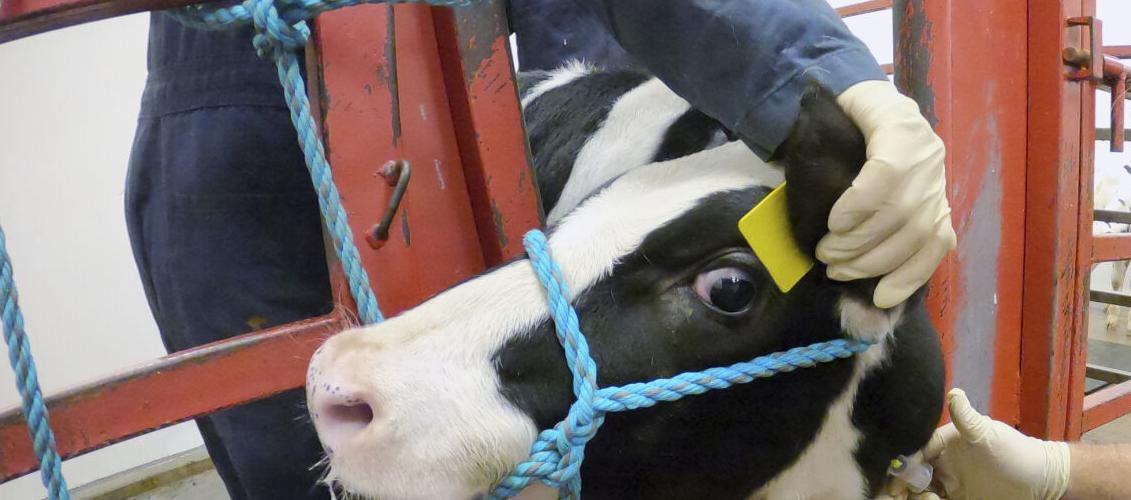
An animal caretaker collects a blood sample from a dairy calf vaccinated against bird flu in a containment building at the National Animal Disease Center research facility in Ames, Iowa.
Most Popular

Beef-on-dairy calves often change locations multiple times before they’re six months old, facing new environments, nutrition and herd mates at…

Calf digestive issues can be a substantial hindrance to livestock health and productivity in the U.S dairy and beef industries. Sustainable Ag…

Key global cheese leaders were recently honored at the 2026 World Championship Cheese Contest and will be recognized again at the upcoming Che…
