





“Soil samples collected in North Dakota wheat fields indicate the lowest populations of overwintering wheat midge larvae (cocoons), since the inception of the survey in 1995,” said Janet Knodel, North Dakota State University-Extension entomologist. “For the fifth year in a row, low populations of wheat midge were present, potentially reducing farmer's inputs for wheat midge management.”
Prior sampling forecasts current risk
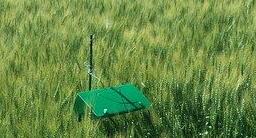
A total of 20 pheromone traps were monitored in 18 counties in North Dakota in 2024. Pheromone traps are used as an "early warning" system to trigger field scouting if the crop is in the susceptible stage.
Most Popular

Baby corn, essentially unfertilized young ears of corn, is a specialty food gaining interest for its high nutrition and low-calorie count. It …

LUCK, Wis. – There was a time when folks came together all across the land. They helped thresh each other’s grain. They raised barns. Get-toge…

LA CROSSE, Wis. – Mark Twain would say all his best ideas had been stolen by the ancients. He may have had the right idea. Studying and learni…

Few pests eat away at farm profitability as much as soybean cyst nematode. Causing at least $1.5 billion in yield losses annually, it’s soybea…

Pollinator declines are a global concern, and agriculture sits at the center of the challenge. As farms grow more efficient and landscapes bec…