





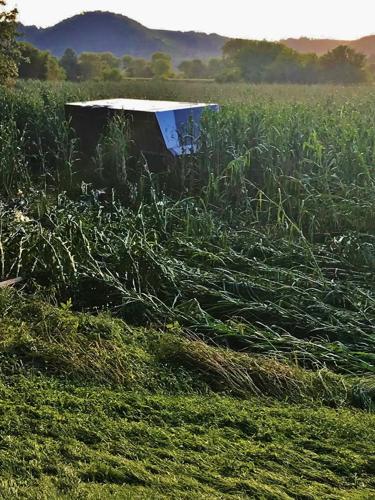
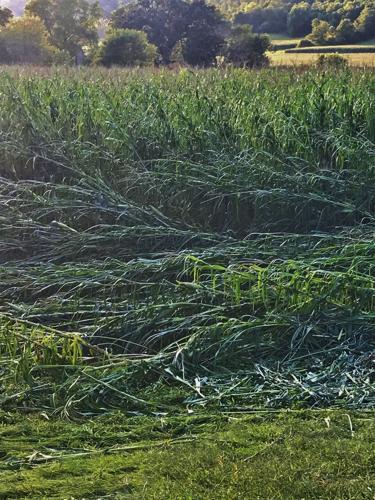
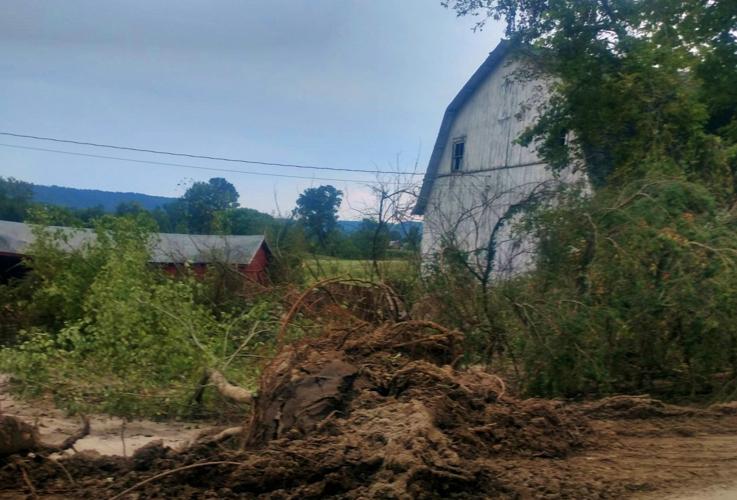
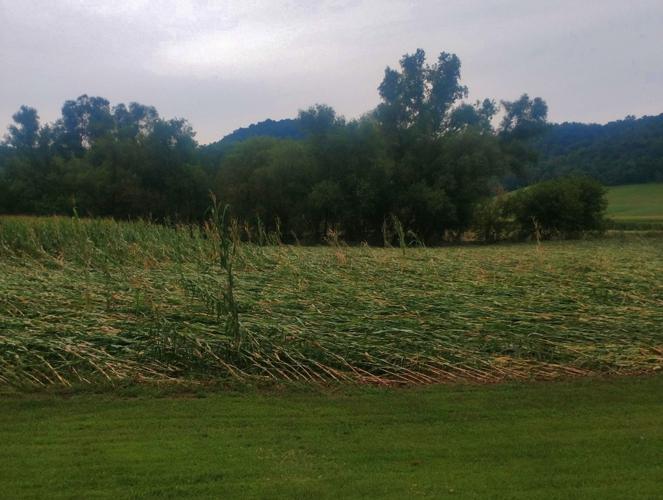
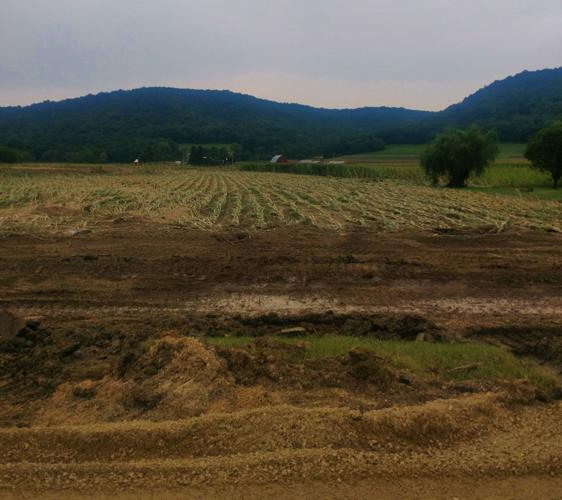
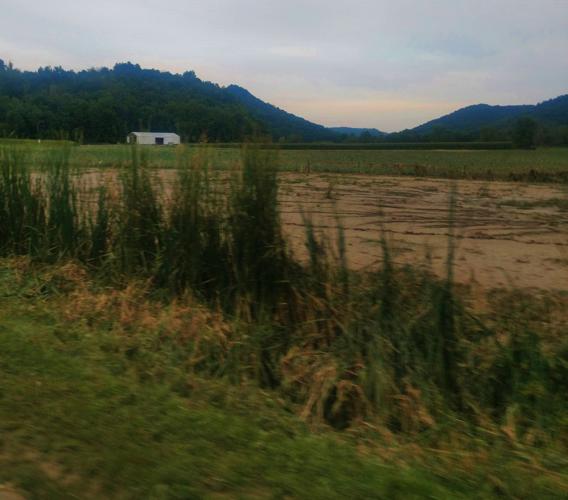
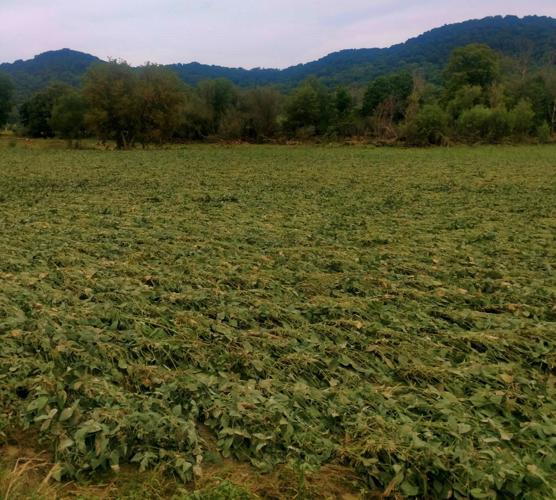
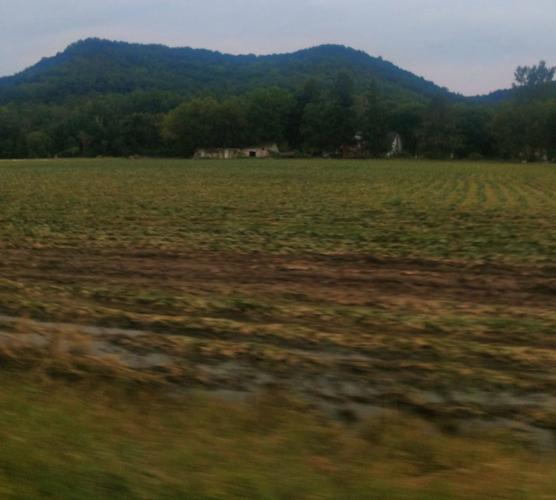
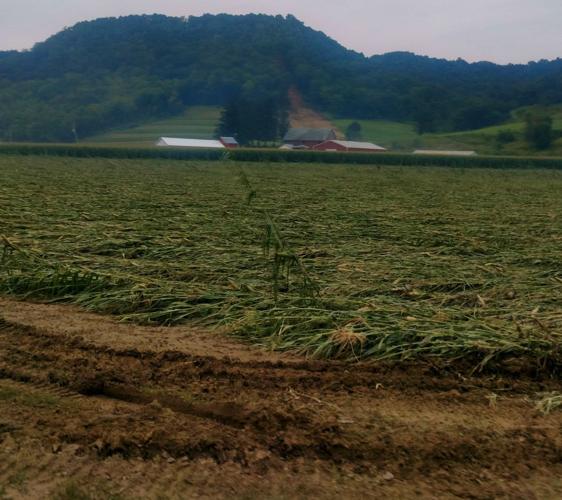

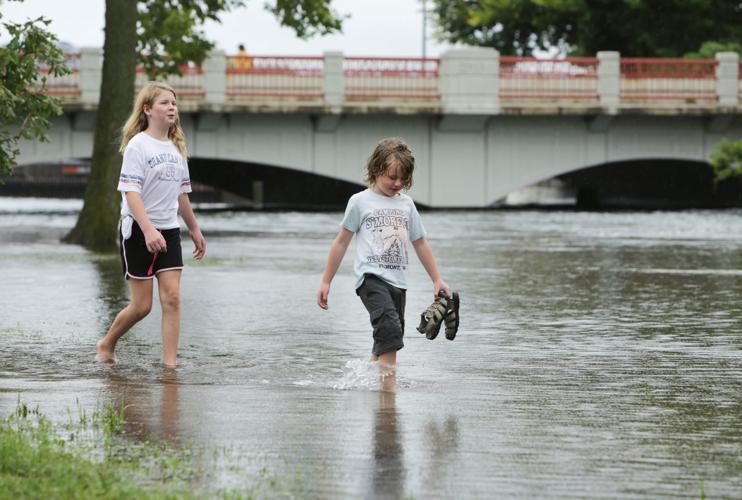
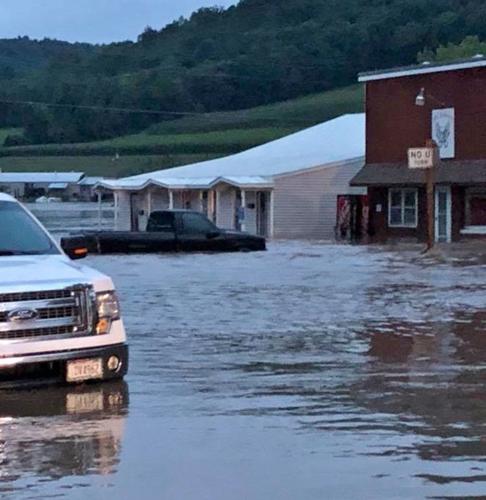
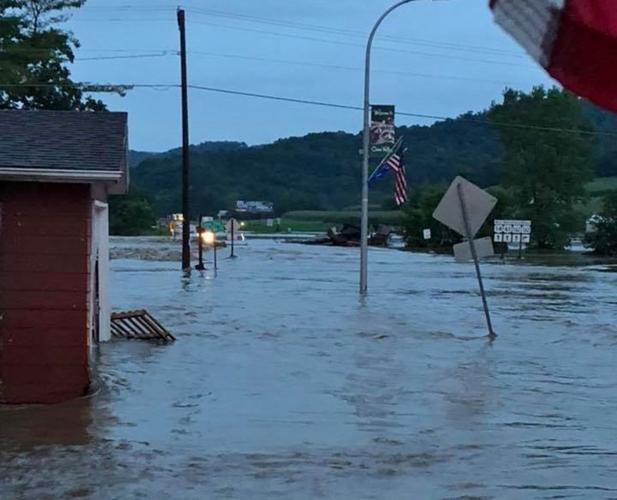
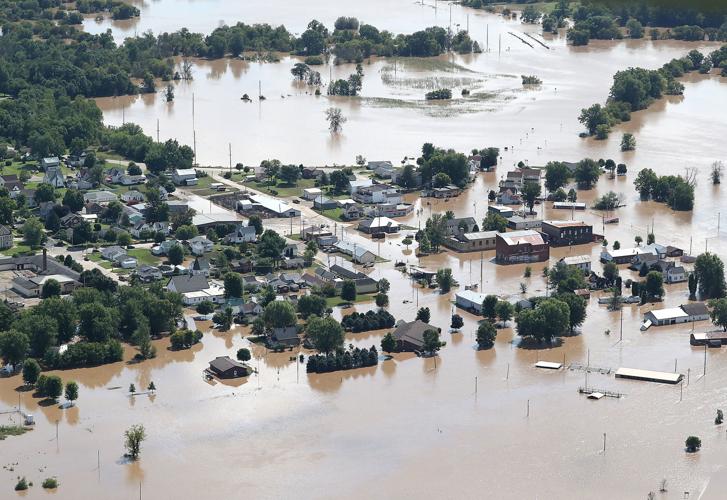
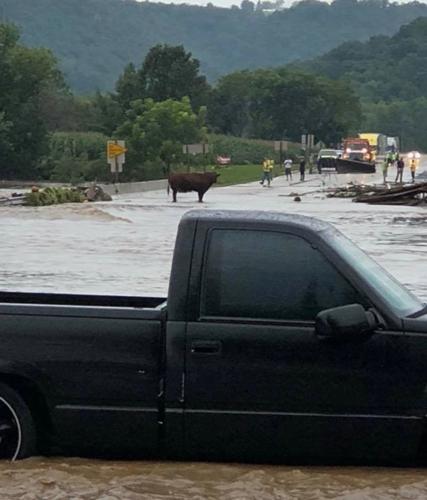
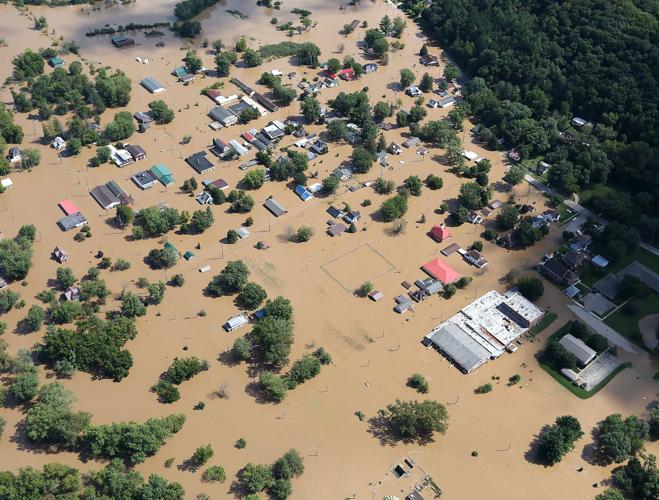

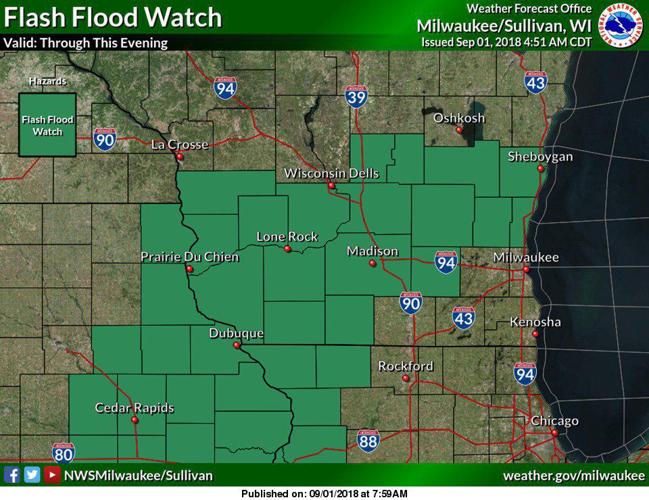

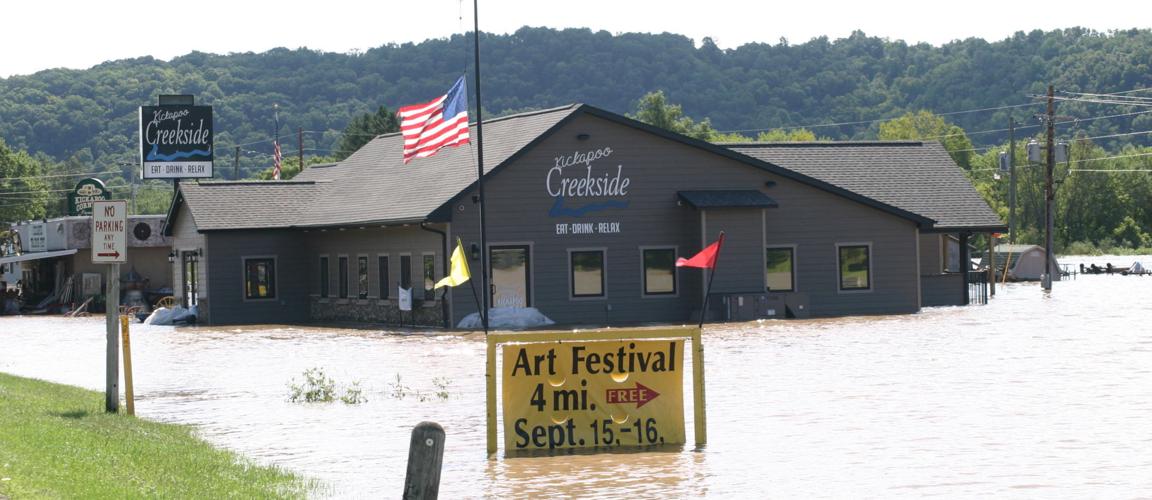

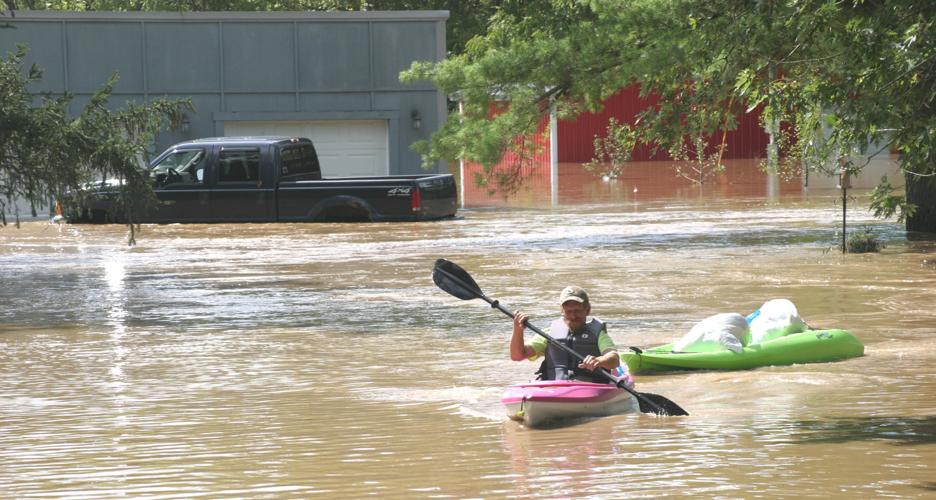
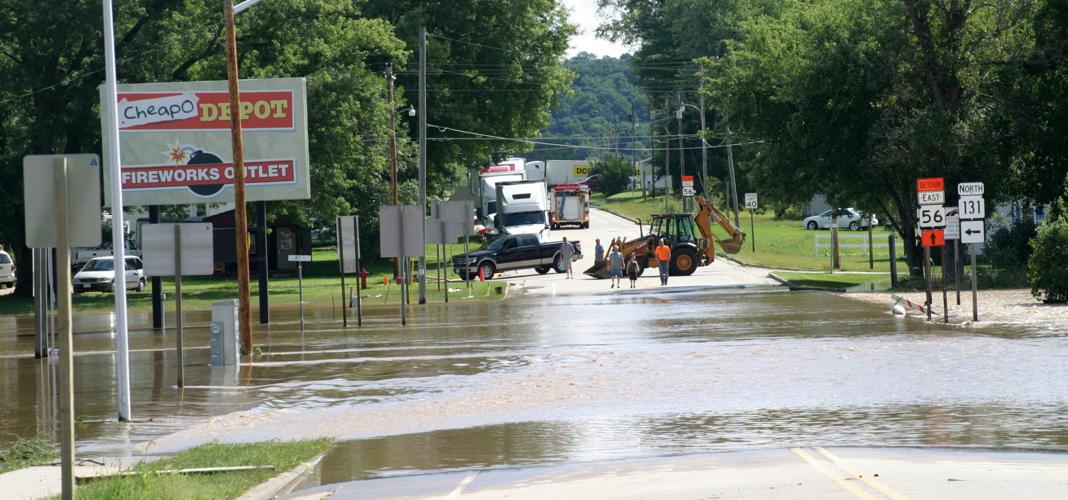

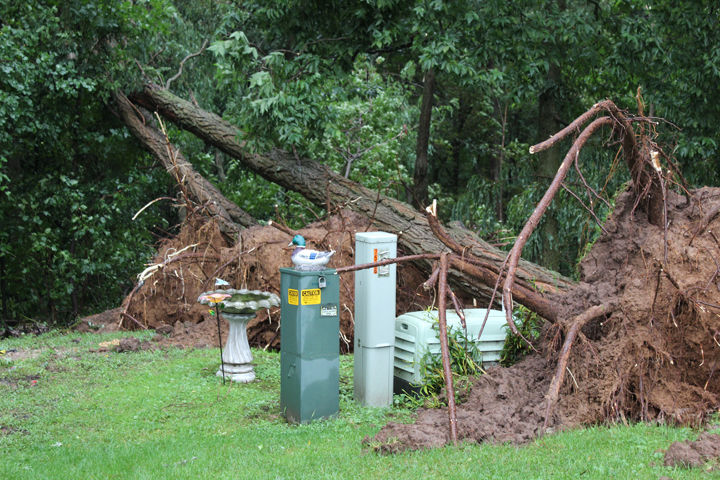


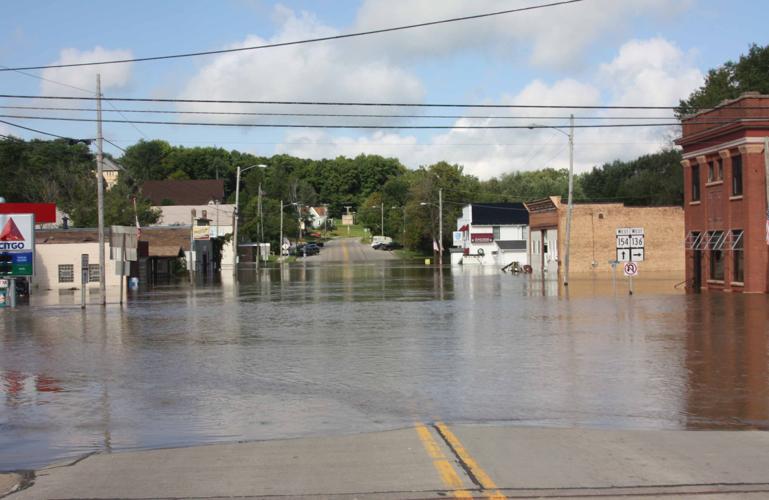
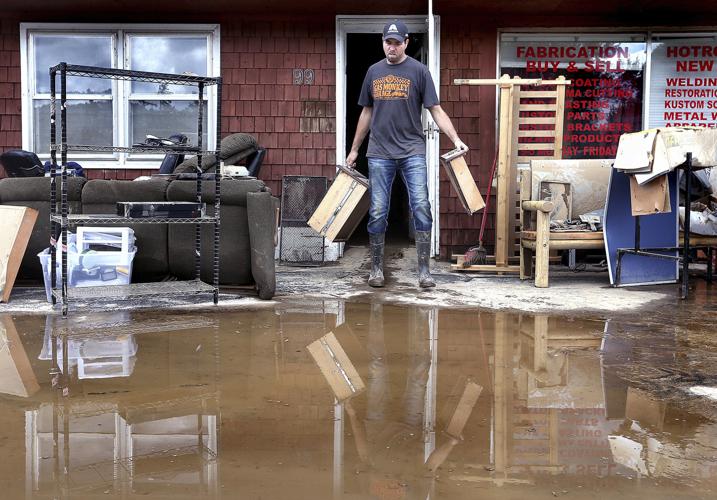
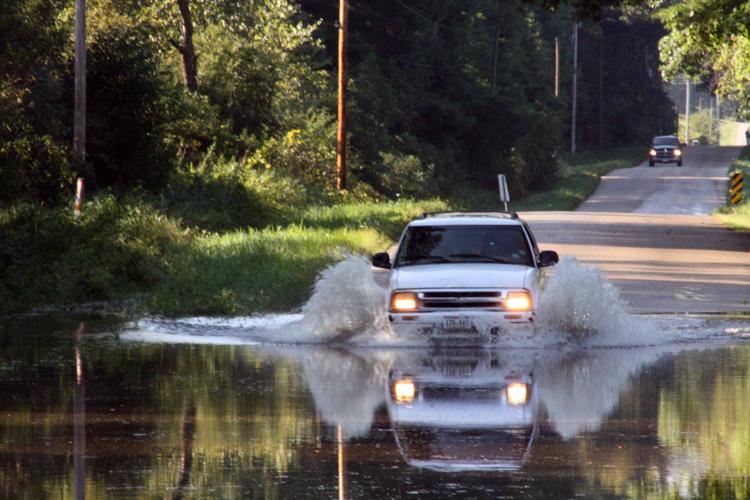
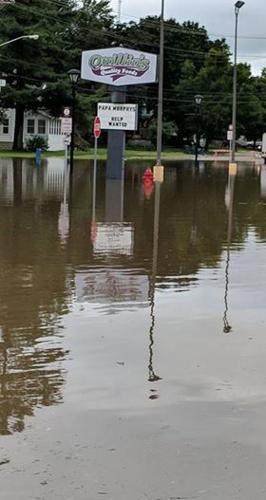
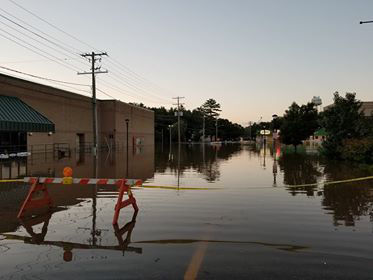
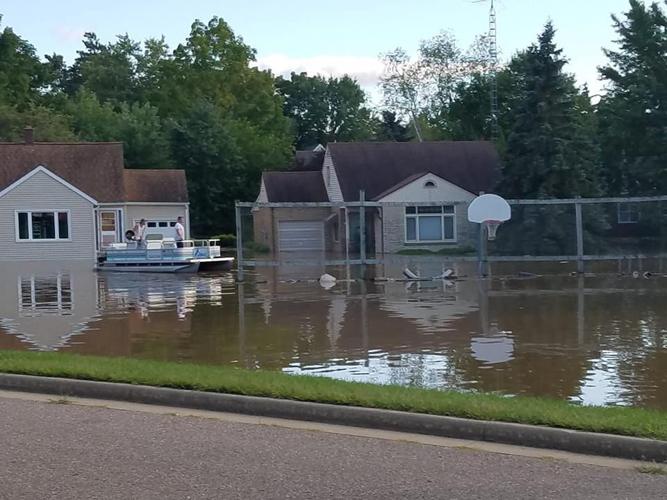


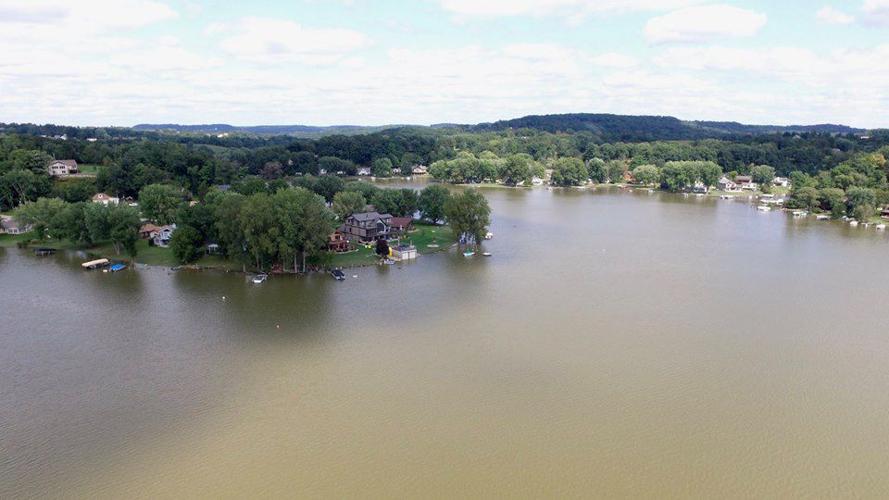
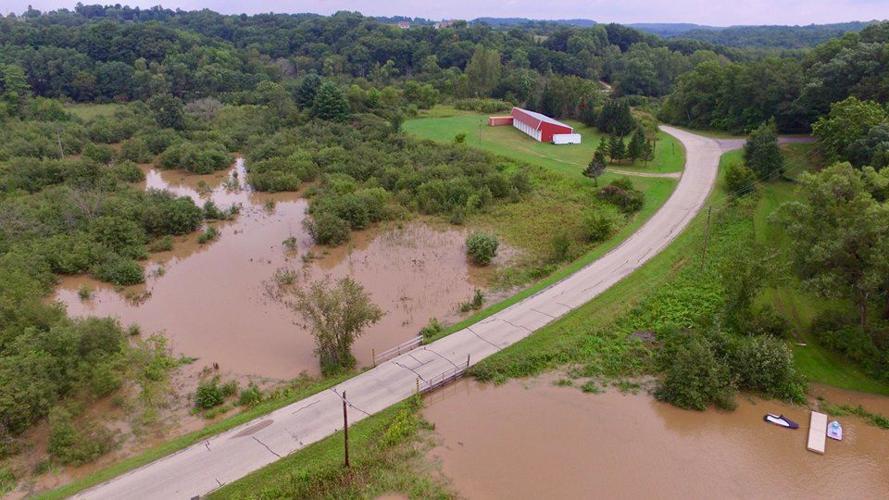
Rain, no rain and late cold – the 2018 growing season has been hit by them all. As August turns into September, sections of Wisconsin are struggling to deal with torrential rains.
People are also reading…
- Screwworm spreads into 4 more counties
- Cereal rye smothers weeds
- Revamped program offers one-year contract for cover crops
- Beet stands come through cold, windy spring
- Montana Department of Livestock and MSU Extension issue guidance after New World screwworm detected in Texas
- What can I do about drought, minerals, and fly control for cattle?
- Simple changes make the difference in cooling off cattle
- Downpour floods fields in south-central North Dakota as farmers finish planting
- What cattle producers need to know about New World screwworm
- How Mitchell-based Trail King powers heavy haul across North America
- Manage small acreage pastures before, after drought
- From the Fields: Sarah Pfaff-Cavadini
- Nitrogen prices spawn interest in fertigation
- Lewistown native shares his passion for agriculture
- Monitor water sources to protect herd health
Beware contaminated water
Sauk County Health Department Director Tara Hayes said private well owners should assume their water is contaminated if any of the following is true.
- Flooding came into contact or ran over the top of a well
- The well is shallow and near flooded areas
- The taste, smell or color of water has changed
In any of those cases, a private well owner should drink bottled water or boil water for five minutes prior to drinking or using it to cook. Free water-testing kits with instructions are available from county health departments.
“If you notice any foul smells or it is discolored in any way, I would not drink it,” Hayes said, adding that people should also avoid coming in contact with flood water.
The business news you need
Get the latest local business news delivered FREE to your inbox weekly.


