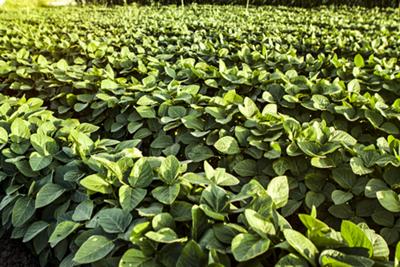




The University of Missouri soybean variety testing program experienced a range of conditions this year, including heavy rainfall early and dry weather during the summer, as well as some test plots recording good yields while others reflected poor growing conditions.
Featured
Soybean tests show weather, yield variety
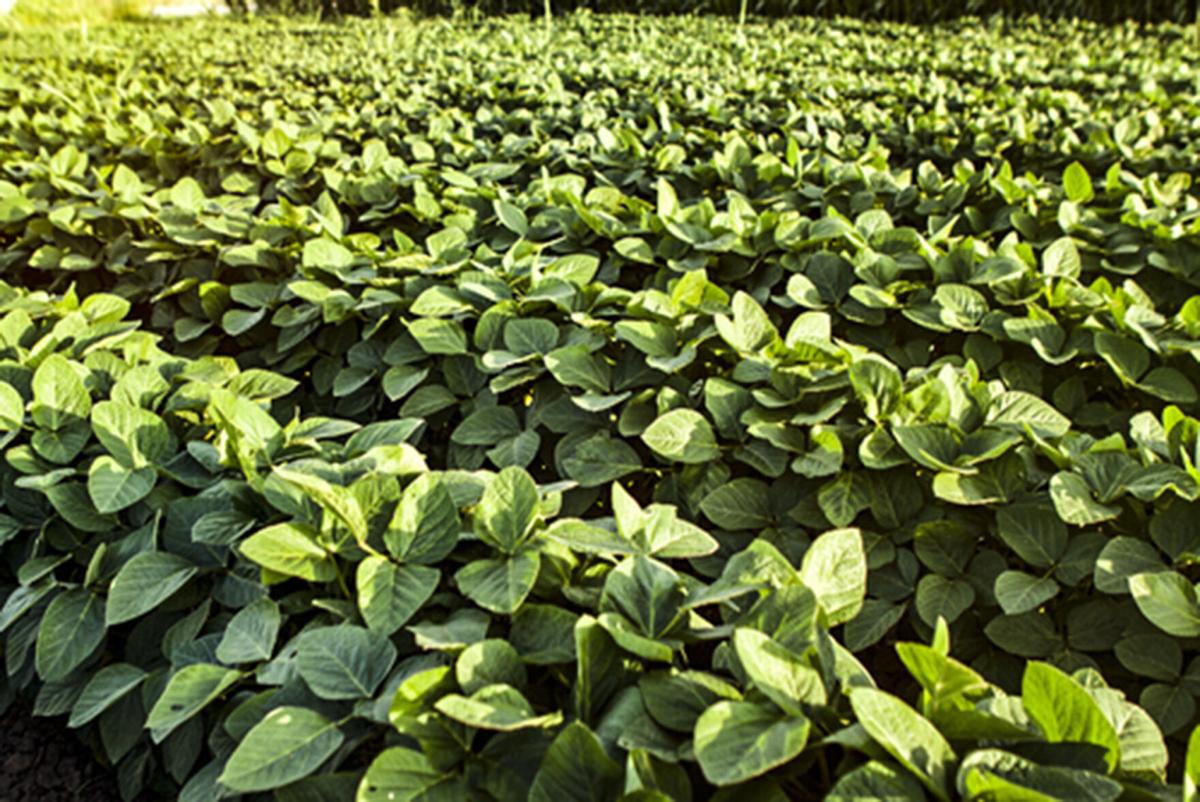
A successful growing season – and weed-eradication program – begins with a plan focused on season-long control.
Start growing season strong – Growers shouldn’t hesitate to invest upfront to set the stage for the rest of the season. Tillage or use of a burndown herbicide application can help prepare and create a clean field before planting. At the same time a solid pre-emergence herbicide also can give growers an advantage, helping to buy time and possibly extend the application window for subsequent herbicide applications.
Layer residuals – Weed control isn’t a one-and-done effort. It takes a persistent approach to keep weeds at bay. With many weeds germinating throughout the growing season, it’s important to look at weed control from a season-long perspective. That includes overlapping or layering residual herbicides. By applying a pre-emergence herbicide and then applying a residual herbicide before it loses its efficacy, the grower greatly reduces how many weeds emerge.
Embrace timely applications – When layering residual herbicides, timely applications are a must to ensure herbicide coverage is maximized. If weeds are “up,” residual herbicides have missed the opportunity to control those weeds. Weeds are much easier to control when they’re small – 3 inches or shorter – or ideally before they germinate. At the short stage weeds aren’t taking away as many important resources from crops – water, sun and nutrients – as they can later on. Controlling weeds before they become an issue is the most efficient, cost-effective approach, and can help avoid the need for a rescue treatment.
In addition to better early-season weed control, timely herbicide applications help promote good stewardship and help growers be more proactive in weed-resistance management efforts.
Choose right products
When it comes to being proactive, that approach also applies to choosing the right product. Growers should understand choosing the right product depends on what weeds need to be managed and in what cropping system.
There are other things to consider when looking at the best fit for a field.
• Choose the least use rate for maximum profitability.
• Does it allow for faster application?
• Consider outside factors in a field that contribute to herbicide performance.
• Maximize the investment by following the label.
Proper application is key in reducing weed resistance and stewardship efforts.

Most Popular

Harvest will tell the final story of this year’s crops, but timely rains have helped them look promising in many parts of the Midwest.