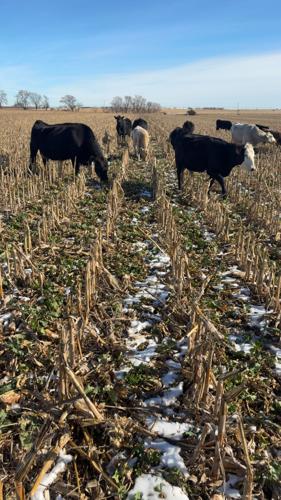





After Thanksgiving weekend, the cattle on Jordan Uldrich’s south central Nebraska farm got their feast.
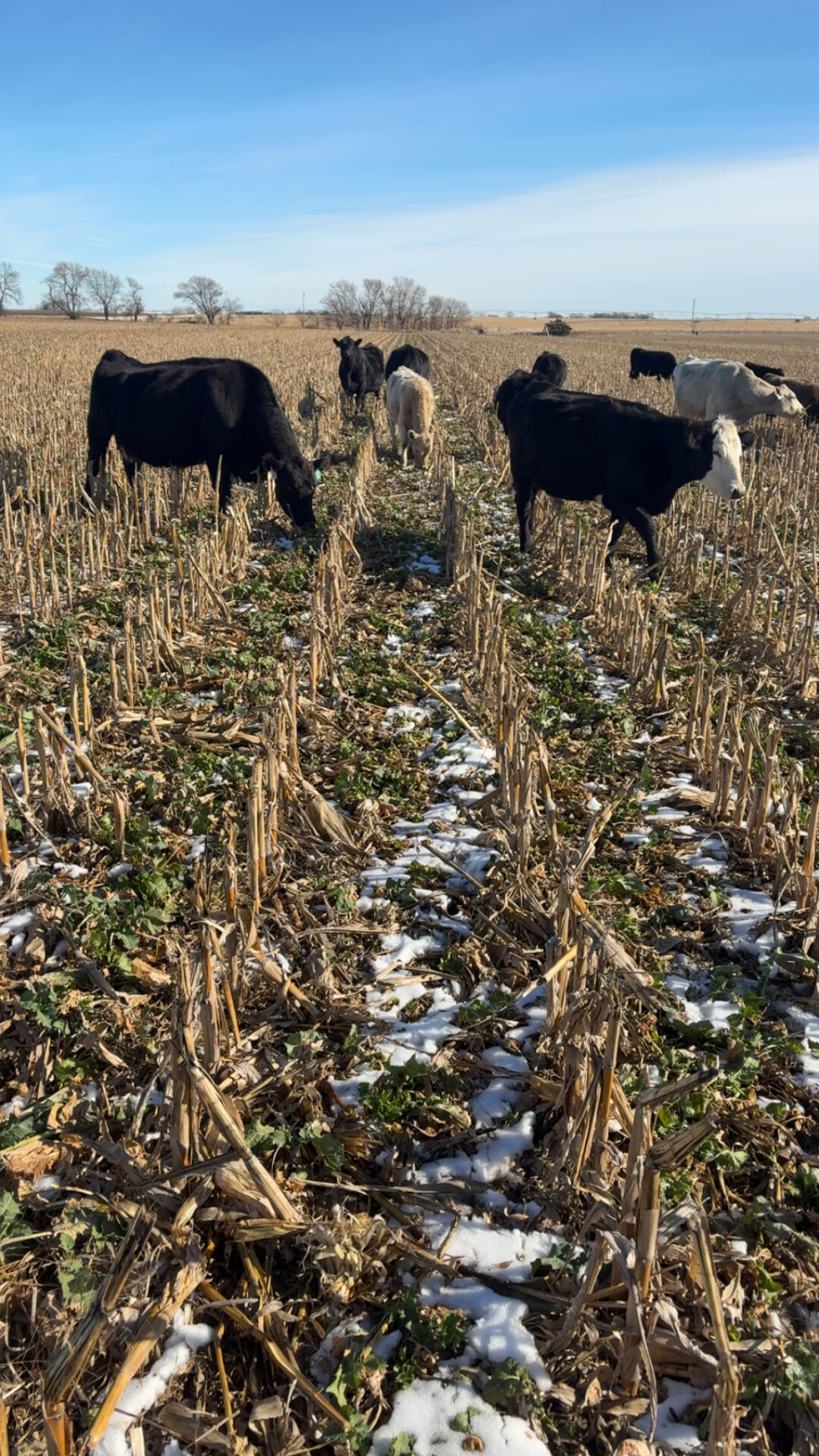
Cattle were turned out after Thanksgiving to graze cover crops that had been interseeded into corn. After looking for grain, they warmed up to eating greens and gourds.

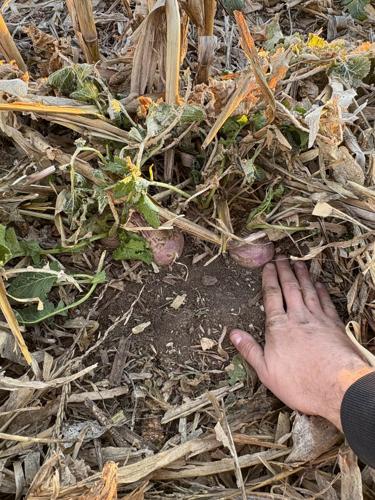
Jordan Uldrich shows the size of turnips growing in what he calls the cabbage patch, a harvested corn field that had been interseeded with cover crops. His cattle are grazing the field in 1.5 to 2-acre paddocks.
3
People are also reading…

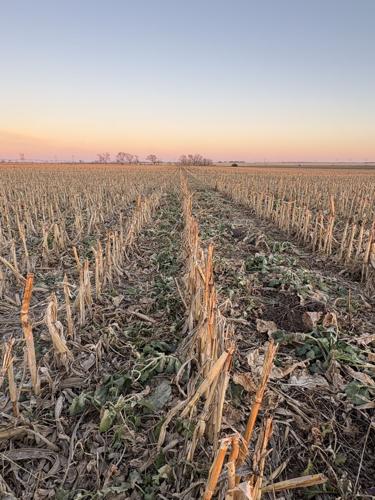
The sun sets over a field of cover crops and corn stubble on the Uldrich farm. The collard greens and other covers give his cattle fresh fodder at a time of year when they’re not used to seeing green.
Jordan Uldrich is a fifth generation on his Fillmore County farm, working with his dad and brother to raise conventional corn, soybeans, milo and rye and a small beef herd. He has adopted regenerative practices, including interseeding cover crops and rotational grazing. Jordan is a board member and has one of the demonstration-education sites for the Nebraska Soil Health Coalition.

Janelle Atyeo
Editor