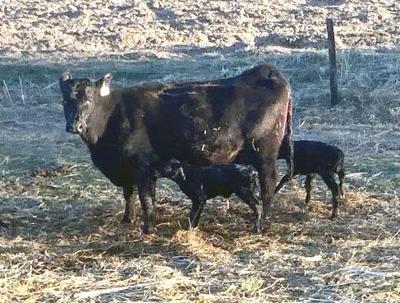





Anyone who’s ever lived in a house with newborn twins knows they can be a lot of work to take care of. When twin births happen in the beef herd, it often brings about special management considerations, say the experts at Kansas State University’s Beef Cattle Institute.
Featured
In managing twins, make sure both calves are thriving
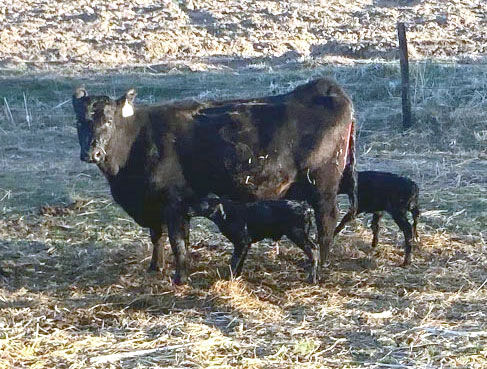
Twin beef calves in the pasture with their dam.
Most Popular

K-State veterinarian Aj Tarpoff explains cattle identification methods and why they are critical to herd management success

Jim Alworth was destined to be a cowboy. Growing up and living in the Sandhills of Nebraska most of his life, he has been a rancher, rodeo cow…

"Sam Connell, 85, was born on a family ranch in the Nebraska Sandhills, and some would say, in a saddle."

Operation Hay Lift delivers critical hay support as families work to recover and keep operations moving