




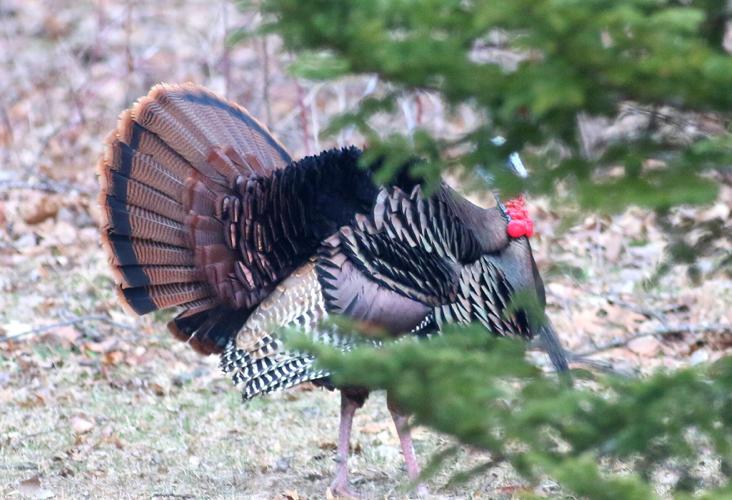
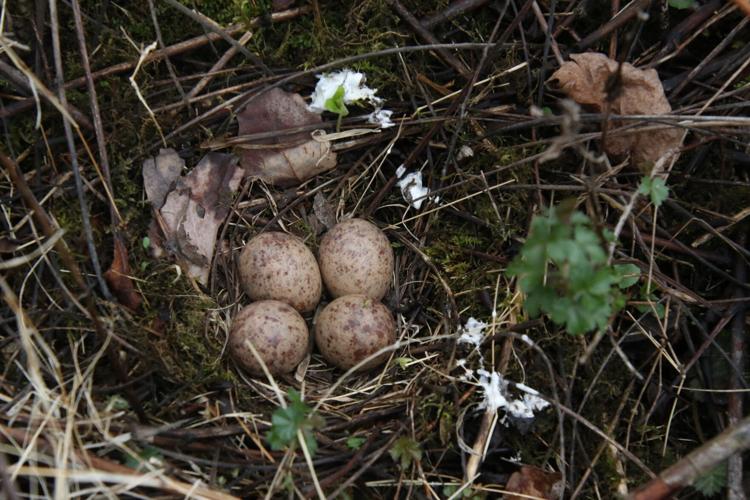
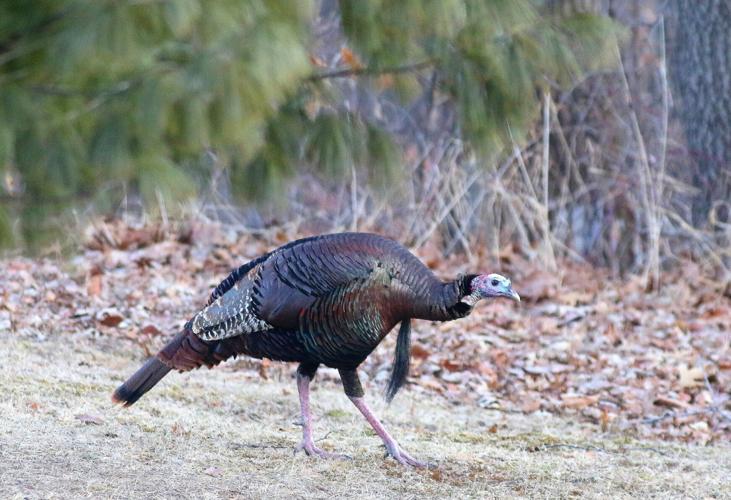
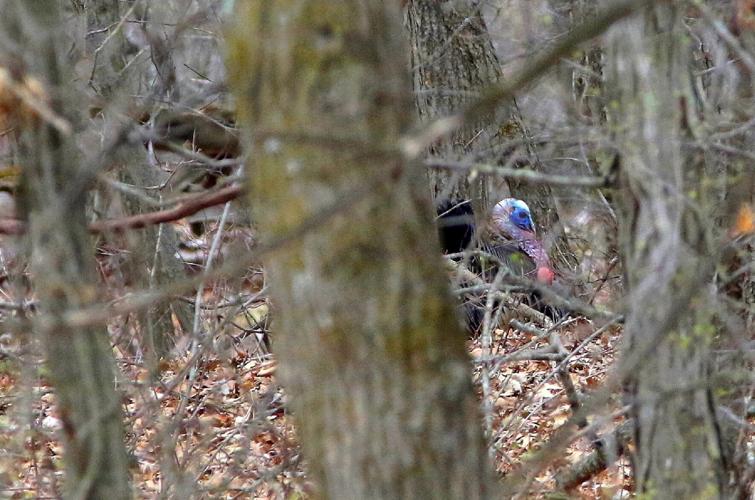
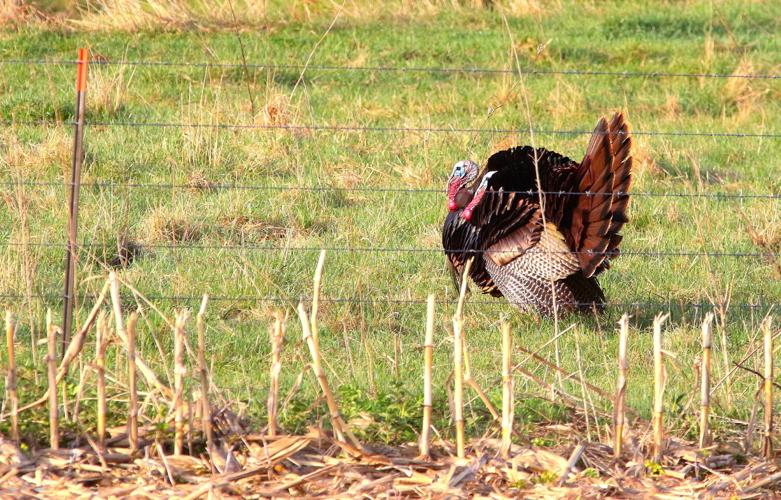
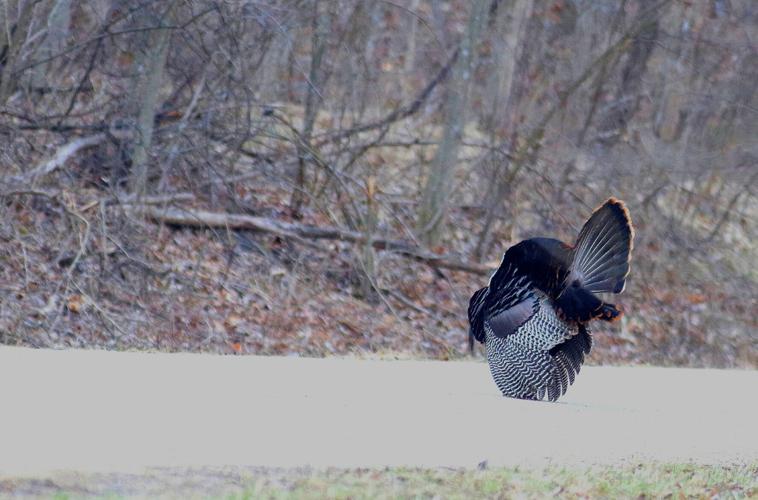
Seeing a wild turkey to shoot, photograph and count often begins with sight of a red, white or blue head, fanned tail, bird’s legs showing inch-long spurs or a black blob among understory shrubbery. Even full turkeys look different when gobbling fully displayed, feeding or hiding in tall alfalfa. Many views of turkey parts are not safe, ethical or good shots. But some make interesting viewing and photographing. The views can be nature at its finest; they’re real. Recognizing those different views of a turkey can add excitement and satisfaction to hunts, but be careful.
People are also reading…

Jerry Davis
Jerry Davis is a freelance outdoors writer. Contact him at sivadjam@mhtc.net or 608-924-1112 for more information.


