



Wet weather is slowing corn harvest across much of the Corn Belt, creating challenges for growers while also giving Wyffels Hybrids’ agronomy and breeding teams an opportunity to evaluate corn performance under a wide range of conditions.

- Benjamin Herrold
For the 5-year reporting period of 2018-2022, Iowa had the second-highest rate of new cancer diagnoses in the United States and was one of only three states with an increasing rate of new cancers.

- Tim Kenyon
Attention is focused on water quality improvements throughout Iowa this election cycle.

- Benjamin Herrold
Rob Brenneman is an Iowa Pork producer who serves as president of the National Pork Producers Council.

- Crystal Reed
The numbers tell the story of one family’s dedication to agriculture.

- By Cami Koons, Iowa Capital Dispatch
Farmers and biofuel producers are celebrating a proposal from U.S. Environmental Protection Agency Administrator Lee Zeldin to reallocate renewable fuel requirements from which small refineries received an exemption.

- Crystal Reed
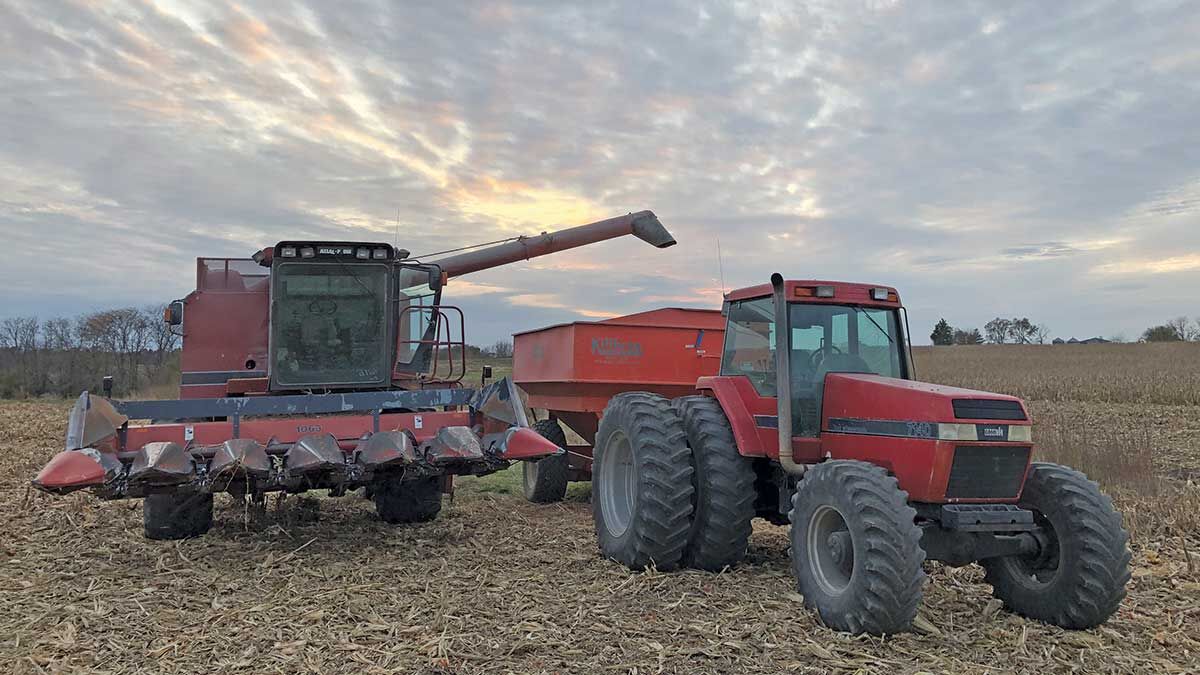
Farm transitioning can be a tricky and time-consuming process — especially if not all the children want to continue on the farm.
- Tim Kenyon
A cart needs a horse. A combine needs diesel fuel. A farm’s future needs more than one transition plan.

- Tim Kenyon
Handling grain harvest duties around livestock needs makes for hectic times and busy hands on Midwest farms.

- By Alton Wallace, The Center Square
U.S. President Donald Trump on Oct. 5 ordered expanded access to the tax-exempt, dyed diesel fuel typically used to power heavy agricultural and construction equipment operated off public roads.

- Benjamin Herrold
The USDA released its quarterly Hogs and Pigs report Sept. 24, and it showed lower hog inventory and breeding herd numbers than a year ago.

- Tim Kenyon
LONE TREE, Iowa — Chad Yoder has steered his family pork operation for lasting sustainability in southeast Johnson County.

- Benjamin Herrold
Dustin Coleman’s journey to become a pork producer started 15 years ago when he was looking for a job.

- Benjamin Herrold
Ongoing producer education is a priority for pork producers and organizations.

- Crystal Reed
The past few years have been tough for pork producer Aaron Bertan of Paxton, Illinois.

- Crystal Reed
For years, the Baby Boomer generation has led in U.S. pork consumption.

New research shows that PCV2d is the major genotype among clinical PCVAD cases; broad vaccine protection against key genotypes may help.

With recent rains adding moisture across parts of the Corn Belt, growers may be trying to determine how early to get those combines rolling.

- By Nat Williams for Iowa Farmer Today
Some new corn hybrids short in stature may be long on promise.
- Tim Kenyon
Agriculture businesses and the Iowa Department of Agriculture and Land Stewardship are settling final details for the second Choose Iowa Fall Crawl Oct. 9-10.

New pre-emergent chemistry offers hope for growers battling the most aggressive resistant weeds in North America.

- Ryan Crossingham
Live from the Big Iron Farm and Construction Show on Wednesday, Sept. 16, Kent Thiesse, farm management analyst, and Bryon Parman, NDSU farm management specialist, joined the Red River Farm Network’s “Issues and Events Center” to discuss the farm economy and the tight margins farmers are dea…

- Tim Kenyon
Opportunities don’t always fall into our hands. Sometimes it takes reaching out and grabbing them.

- Benjamin Herrold
With the U.S. cattle inventory at its lowest in 75 years, the industry continues to watch for signs producers are retaining heifers and starting to grow the national cattle herd.