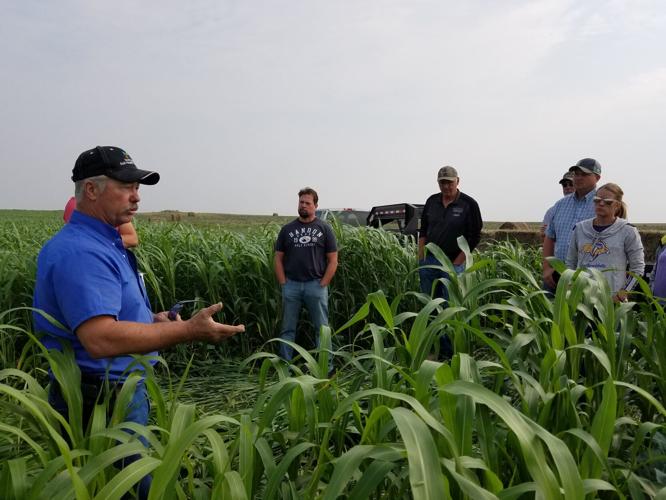





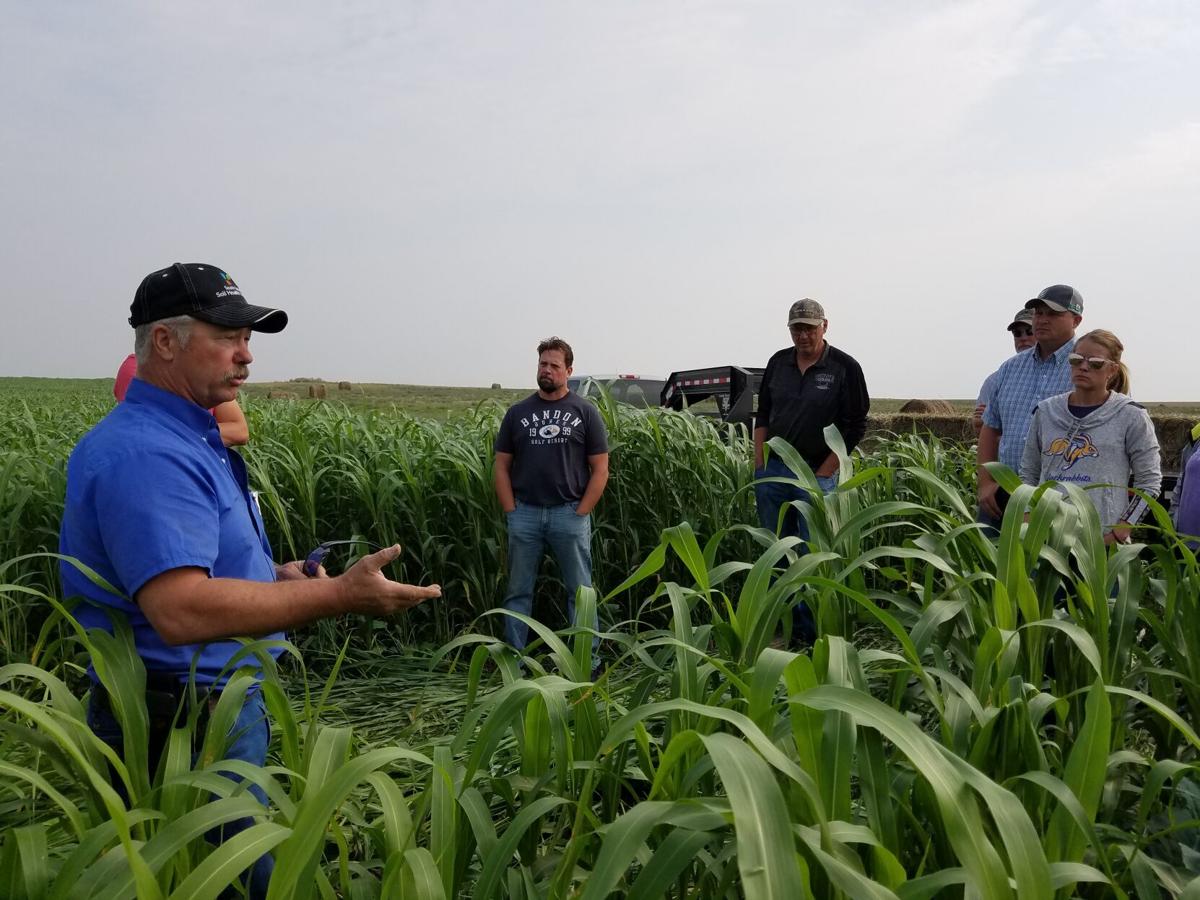
Cover crops offer a wide range of potential benefits for producers – better nutrient cycling, more weed suppression, more livestock forage, better soil structure, increased soil organic matter, and healthier soil microbial communities. To reap those benefits, producers need to make some careful decisions.
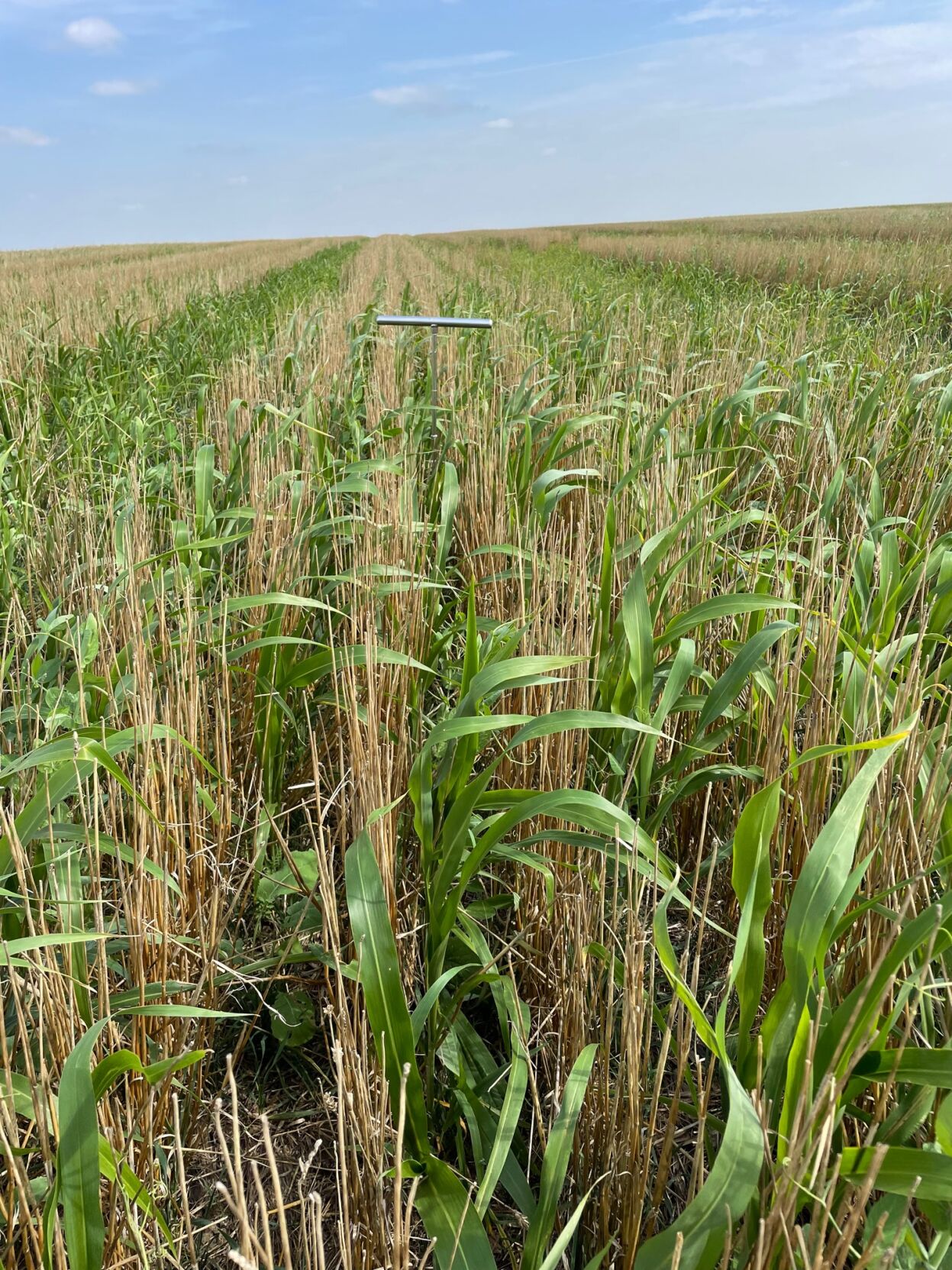
This cover crop at Cronin Farms near Gettysburg, S.D., was planted into heavy stubble Aug. 12, 2022, at which time the field had 16 inches of soil moisture. The crop received no rain after planting, and when this photo was taken Sept. 25, 2022, the field was so dry that it was difficult to push a soil probe into the ground, and growth on the cover crop had stalled. The yield of the corn crop planted in this field in the spring of 2023 may be affected due to the consumption of soil moisture by this cover crop.
People are also reading…

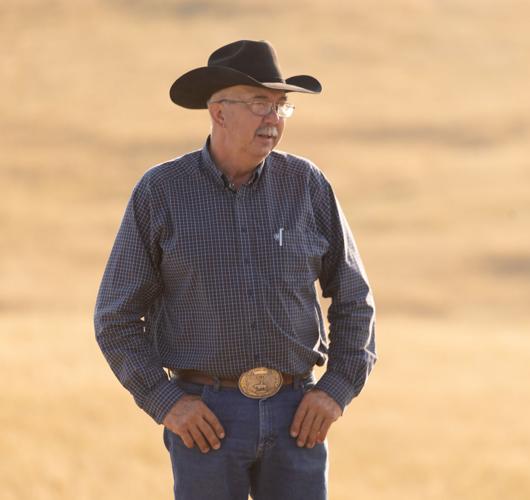
Newell, S.D., producer Dave Ollila uses both fall and full season cover crops to feed his cattle and sheep.