





Record-setting precipitation in Minnesota this year during the months of April through June has drowned out crops in areas of fields and also prevented the planting of crops in the first place in other fields. As the water recedes and fields dry out, farmers are deciding what to do with those areas.
Explore cover-crop options
1 of 5
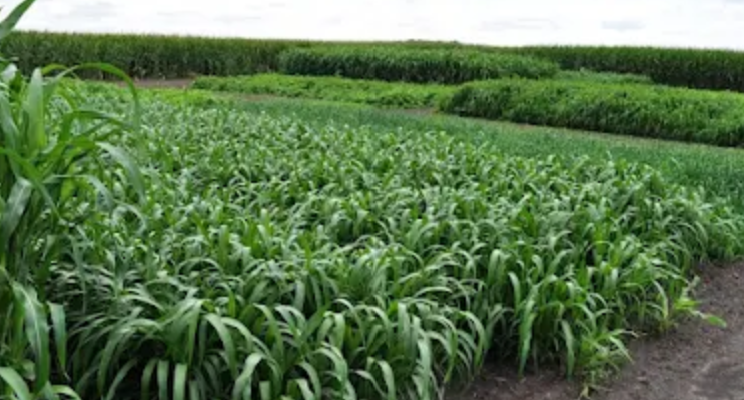
Cover crops vary dramatically in the amount of biomass produced when seeded in the middle of July at the Southwest Research and Outreach Center. From left, the species in the front range are sorghum-sudangrass, pearl millet, oat, crimson clover and Japanese millet.
Most Popular

June was unusual in northern Wisconsin. During the month much of the middle of North America, including most of Wisconsin, had very hot days e…