





From the Fields 2019
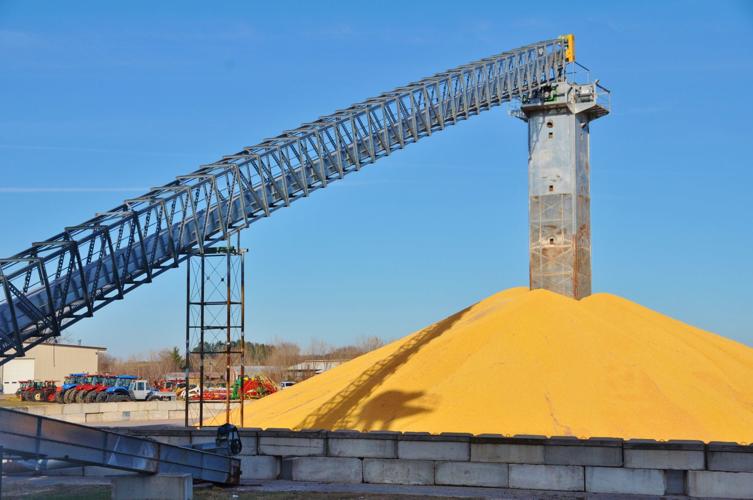
Warm dry air needed -- lots of it
- LeeAnne Bulman/For Agri-View
A pile of wet corn waits to be dried at Buck Country Grain in Arcadia, Wisconsin.
This is the final week of Agri-View’s “From the Fields” reports. We thank our reporters who stayed with us throughout difficult planting and harvesting seasons. In spite of numerous challenges they stayed positive. We hope everyone has finally finished harvesting – and that everyone will have a blessed Christmas and a wonderful New Year! From the Fields will be back for the 2020 planting season. Hopefully it will be a much better year. Sincere thanks go out to every farmer who works so hard to put food on everyone’s table. – Julie Belschner, editor

- Kimberly Weyland For Agri-View
Holiday spirit and the constant humming sound of grain dryers fill the air. Temperatures are in the single digits. The cold temperatures have offered an opportunity to combine for those who still have corn in the field. The snow fell off the corn leaves, and the ground is finally stiff enough to drive on without becoming stuck. Now the only goal is not plugging the sieves in the combine.
Crop harvest halted as another snowstorm appeared but gravity boxes and semis-tractor trailers are full. Augers will be turning. Machinery doesn’t like to start in cold temperatures; batteries tend to fail. Skid loaders are being used to push snow off driveways for easier access.

- Wade Bulman For Agri-View
I visited with several farmers the past two weeks. One farmer said he finished harvesting corn before deer hunting. He was happy to be finished so he didn’t need to worry about the loss of corn to the elements and wildlife. In his past experience that could be a substantial amount.
I heard a report from the Wisconsin Department of Natural Resources that about 26 percent fewer deer were harvested opening weekend. I suspect part of the reason for the decrease was on account of all the corn still in the fields – which in many places allowed the deer to elude the hunters. Speaking of wildlife in the corn, another farmer reported a bear that ran back and forth through his corn field until he reached the last few rows. That’s when the bear stood up on its hind legs; it was taller than the corn. When the bear realized its cover was disappearing it finally took off for the creek.

- Josh Kroeplien For Agri-View
We are finally back at soybeans. Seemed like we took a month off since the last soybeans came off but it was really closer to two weeks. The ground finally hardened and snow melted to let us take off a good chunk of them. We ran three days straight, harvesting half our soybeans. Yields are pretty decent considering many of the beans were planted 30-plus days behind. Most soybeans are running in that 40- to 55-bushel range but there are some that are touching that 60- to 70-bushel range. I have even heard of some guys claiming they have had their best yields on their farms ever.
Currently we are back at corn. We had a little bit of snow-freezing-rain; the moisture has increased to more than 20 percent. We had about four good days of corn to do and about four more days of soybeans. There is light at the end of the tunnel but the tunnel is fairly long yet.

- Don Lutz For Agri-View
The snowstorm through the area Thanksgiving week has proven to be a real setback. In some areas it’s been a disaster for finishing corn harvest. As the storm front approached it began as rain. But as temperatures became colder, rain froze to the plants. It then became embedded with a snow and rain mixture to create a thick icy crust that has been difficult for the sun to penetrate or the wind to break up.
Temperatures have been mild enough that we haven’t been able to test whether combining in colder conditions would allow the ice to break up easier or pass through the combine. Wisconsin’s corn harvest for grain was estimated at about 70 percent complete. Unharvested soybeans in some areas of Wisconsin are in even more trouble to complete the 2019 harvest.

- Kyle Stull For Agri-View
We had a lot of crops come off this past week with a dry stretch of weather. It’s crazy to look at the weather data and see that we just had six days of dry weather. And that was the longest stretch since Aug. 20-25 in Watertown. There were two periods in there of five days of dry weather; but one was in early September so really we only had one dry stretch in three months.
That being said we had plenty of beans still in the field that came off this past week. Many started out in the 20-percent range and ended this weekend at 17 percent to 18 percent, but at this point they need to be out of the field before winter. It’s difficult to put a figure on what is left to harvest. But driving around there is less and less out there so there are a few that are going to be done soon. Others are maybe a week or so away if the ground can stay frozen.
- Wade Bulman For Agri-View
As I pen this report the day after Thanksgiving, there are many many acres of corn unharvested in our area of western Wisconsin. We hauled our last load to the elevator Dec. 18.
By midweek it had warmed enough – along with 1.25 inches of rain – that all the frost was pulled out. I had no problems pushing temporary electric-fence posts in to allow the cows to glean the entire farm. Needless to say the fields were very muddy. Farmers who were able to return to harvesting were picking and choosing where they went.
- Josh Kroeplien For Agri-View
Two more weeks have passed and nothing has changed – wet and no additional crops off. I had an opportunity to combine for maybe two or three hours one day of soybeans but that’s been it.
Farmers with their own dryer setups are doing a little here and there but no one is going full steam ahead. We did however turn under a handful more of our acres with our Kraus Dominator with 360 Bullet points on it. We’re hoping with the points that we have full fracture across the bottom of our hardpan to hopefully allow more water to pass through yet this fall or spring into lower soils. They do require a bit more horsepower but we have seen good results in the spring as far as drying a day or two faster.
- Don Lutz For Agri-View
Corn harvest for dry grain is progressing slowly. Some rain and drizzle early in the past two-week period gave way to cloudy skies. But at least drier conditions allowed the corn-harvest pace to increase this past week.
Moistures have not dried down much if any. It’s only the moisture from precipitation that appears to have evaporated from the plant. As Thanksgiving approached a couple of new rounds of moisture-bearing fronts were forecast. As we move into early December it’s less likely we can expect any precipitation to be rain or quick-melting snow to keep combines moving every day.
- Kyle Stull For Agri-View
Someone made the comment to me the other day that there may be more beans standing than corn. I think that may be accurate after driving around the country the past few days.
There were some soybeans that came off this past week in the mud, with moistures between 18 percent and 20 percent from what I heard at the local grain location. Corn harvest continues even after the rains we keep having every couple of days. The struggle has been finding fields where producers can load trucks on the road – or a decent driveway to back in off the road.
- Kimberly Weyland For Agri-View
Hopefully everyone had a wonderful Thanksgiving and were able to give thanks, or be thankful. Many soybeans were harvested just before Thanksgiving. The snow melted, no more rain storms occurred and snowstorms were offering a break from poor weather. Humidity resided at about 50 percent to 55 percent, making harvest possible. Moisture was measuring at 13 percent to 17 percent. Augers were turning and grain bins were filling quickly.
There was another rush to harvest as more rain was coming in the forecast. Some of the pods on the soybeans dropped due to the large amount of snow earlier; it was difficult for the combine to pick up every pod. But I think it was done and there was not a significant loss in yields. Combining lower to the ground increased the probability of breaking a sickle.
- Don Lutz For Agri-View
I have only seen a few soybean fields remaining to be harvested in our area. They were all grouped together so I’m guessing they’re all for one farm – or a small group of farmers waiting for a certain custom-combining operator to come to their area. Meanwhile corn harvest for dry grain is starting slow. Temperatures as much as 20 to 25 degrees less than normal have just not helped corn dry down at all.
In addition multiple snow showers of about an inch or so that have stuck to the plant have kept combines from going. Filling the semi-hoppers at night to take in first thing in the morning didn’t work well either. The high-moisture corn along with near-zero-degree nighttime temperatures froze corn to the hopper walls – and necessitated crawling into the hoppers to sweep out the frozen corn.
- Josh Kroeplien For Agri-View
Our corn silage is finally all harvested. Mother Nature lightened up a bit with her rain and snow, and gave us some colder weather to firm the ground to travel across. The last corn silage was the best traveling ground; our custom harvester went across the whole season. My July 15 corn that we planted in 15-inch rows and 109-day relative maturity held some good moisture yet even though there was some damage from cold and snow. It produced some decent tonnage considering how late it was planted. The last 100 acres averaged about 11 tons to the acre; a 20-acre parcel averaged 16 tons. So with that being said, for how late it was planted I consider that a victory. It was definitely a better choice than what sudangrass and such would have been.
This past Friday was the first time all season we had an opportunity to do any soybeans of our own. We needed to manage through about an inch to 2 inches of snow but were able to start at a slow pace. Yields are inconsistent on the first 200 acres we harvested, ranging from 30 to 55 bushels to the acre. Some ground where planting conditions were marginal are for sure showing. Hopefully the next time I write we will be talking about how we finished all our combining and talk more about results.
- Kyle Stull For Agri-View
Harvest rolls on here as snow and cold continue to impede progress. I drove today to a meeting in Janesville and then back toward the farm while looking at all the soybean fields that have yet to be harvested.
Many are hoping to be back into soybeans when the snow comes off. A few had gone out this past week to combine beans on frozen ground, with moisture at about 15 percent. There’s plenty of hope we will have another chance to take them off.
- Kimberly Weyland For Agri-View
The large amount of snow on the ground would normally lead many to transition into a holiday mindset. Farmers are telling a different story this year as harvest continues to weigh heavily on their minds.
It’s been difficult drying crops down. Truth is it’s no surprise harvest is later than normal; there was a late plant, a lot of rain and now early snowfalls. Early snow is what farmers didn’t want but that’s exactly what happened; weather hasn’t offered any breaks. If the snow hadn’t happened there would be more fields off; harvest would be complete. Some farmers had their combines harvesting in a light snowfall, which isn’t something typically seen.
- Wade Bulman For Agri-View
After reading everyone’s previous field report, I realized I was the only one who didn’t report any snow. Well this time I can join everyone else and report we had about 4 inches Nov. 6. It was not sticky but enough fell that I needed to plow my driveway. It’s quite steep so I need to plow to drive the car up without becoming stuck.
I don’t like to plow snow before the ground is frozen because it makes a big mess and it’s all too easy to push expensive gravel off the edge.
- Don Lutz For Agri-View
About two weeks ago we experienced an area-wide killing freeze for corn. Everyone made the most of available dry-weather conditions to finish corn-silage harvest, harvest soybeans, spread or inject manure, and/or finish any remaining vegetable harvest. Most crops have been harvested and removed except for corn for grain, or for probably about half of that to be harvested as high-moisture grain.
We basically finished soybean harvest this past Thursday night; we had about 10 acres to harvest Friday afternoon. We will be immediately switching to corn and focus on opening fields to harvest end rows. We’ve been watching the weather forecasts. Temperatures have been colder than normal the past week to 10 days. Forecasts are calling for them to stay colder than normal for several days. We’re concerned that toward the end of this week daily temperatures are forecast to be less than freezing at best, with lows in the teens. We’ll focus on combining corn to the pivot bases so irrigation lines can be blown out to remove any water in the lines before freeze damage.
- Kyle Stull For Agri-View
We just experienced a winter storm on, check calendar, Halloween?! While we had about 5 inches at the farm I was in a few areas that had about 8 inches on Halloween. I went out to take a few pictures in fields and it was like walking on a water bed out there.
With more than 2 inches of rain in most areas in the past two weeks along with the current cold and snowy forecast, harvest is on hold around here for the foreseeable future. This past week I traveled from Janesville to Burlington, and north to Dodge County, seeing maybe 50 percent of soybeans off and about 20 percent of corn off. Some areas were at 0 percent of both crops off, depending on planting timing and weather. I’ve heard a few say this is the slowest fall they can remember. But I remember not doing any corn or soybeans until November in 2009; we had an amazing November that year for combining so maybe we will see that this year.
- Kimberly Weyland For Agri-View
Excitingly we have received two more snowfalls that have left the ground looking white. Fall leaves that remain intact on tree branches now have a snow cover, which offers the eye breathtaking beauty.
Mud and tractor ruts are still everywhere; the ground is not completely frozen yet. Corn-silage harvest was very muddy, but is complete despite being stuck often. The rest of the corn still standing will be harvested for grain. Currently corn moisture is too much for grain harvest though some farmers might have harvested some as a test run. Moisture is between 20 percent and 25 percent. With the snow storm, corn moisture might be even more. Let’s hope for more sunny days.
- Wade Bulman For Agri-View
The past two weeks were almost deja vu to the previous two. We had three-tenths of an inch of rain Sept. 19, followed by a wet start to the next week with another 2.25 inches by Sept. 22. The remainder of that week and all of the next were dry; consequently a lot of field work was being done. Some of the things I saw were cutting and round-baling hay, manure hauling on harvested bean ground, combining beans, baling bean residue and corn combining.
I started combining Oct. 28 on one of my flat fields next to the creek. I was halfway around when I dropped a drive wheel into a washout. After sweet-talking my wife into rescuing me, she was able to pull me out. It was the first work with the freshly repaired 4-wheel-drive tractor. It was a good thing, too, because I don't think my smaller tractors would have pulled the combine out.
- Josh Kroeplien For Agri-View
It’s been the story of the year – rain … rain … rain … now snow! It’s been two weeks of havoc and unproductive for most.
Myself and my father helped a neighboring farm finish their corn-silage harvest as we have been waiting patiently for our custom harvester to come in. The first part of the harvest it was rough but manageable. It became a lot better in the middle and toward the end of their harvest. They finished so we decided to try on our own ground with their equipment. That lasted for about 6 or 8 acres. After a couple of hours of sliding side-to-side and moving dump carts at a snail pace due to excessive mud and no bottom to have any traction, we decided to pack it in and hope for better conditions. Since then we have accumulated 4 inches of snow and have cooler conditions. The only hope now is that maybe the top couple of inches will firm or freeze-harden enough to carry equipment across.
- Kyle Stull For Agri-View
Soybean and corn harvest has started, with soybeans coming off between rain and bad weather. I heard this morning there have been only five mostly sunny days in the past six weeks – and we can tell. Corn that is coming off has been yielding better than maybe we expected; but yields are variable across the field with wet holes and compacted areas. Moistures for corn continue to be very high with even corn planted in April coming in at about 30 percent.
We had a hard frost or freeze this past week. Many corn fields have that gray cast to them and they are now starting to quickly turn brown. There will be many fields that were not at black layer that will have some high moistures and stalk issues this fall.
- Kimberly Weyland For Agri-View
October has brought first frost along with a first snowfall and even more rain. That doesn’t stop field work. This past week a lot of corn silage was harvested. Oct. 13 we had our first snowfall; farmers continued chopping in the flakes. Saturated soils have caused chopper wagons to become stuck. Currently corn is at about 25 percent milkline, but with the many different maturities of corn planted along with later planting dates it’s difficult to tell where everyone is at.
Soybeans have lost their leaves and are closer to being ready for harvest. On the east side of Lake Winnebago it looks like a lot of farmers started harvesting soybeans. Traveling an hour and a half southwest, winter wheat was being planted. We had the hopes of getting another crop of hay off, but the weather decided it was time to be cold and wet. No more hay was harvested.
- Wade Bulman For Agri-View
The past two weeks have definitely been drier than the previous two. We had a half-inch of rain total scattered through four days. The cold and damp prompted us to start the wood stove in the house. We don’t hold out as long as we did when we were younger.
We had a killing frost Sunday night Oct. 13. It seems like a lot of the time the weather doesn’t straighten out in the fall until we have that first freeze. Maybe we will have some nice Indian-summer weather now.
- Josh Kroeplien For Agri-View
Final alfalfa-field burndowns are completed. People are just starting to chop corn because they are running out and field conditions are marginal at best. Many farms are finding dump carts and extra manpower as we try to harvest corn. The silage that is coming off is at a slow pace but there’s some good tonnage – even though most of it was planted late this year.
Soybeans at the end of the week here just started to be harvested by the farmers who have their own dryers. Most soybeans are way too wet yet; many of us are putting our main focus in our silage for the cows.
- Don Lutz For Agri-View
Early in this reporting period we were able to harvest a few acres of soybeans. We were able to start again late this past Thursday. A good probability of rain again both this past Saturday and Monday enticed us to take advantage of every available hour. This previous weekend we took a trip to the Twin Cities. I didn’t see one harvested soybean field from Wausau through Eau Claire and on north to Hudson.
The yields for soybeans we’ve harvested have just been average. The pod and bean counts are better than average, but the bean size is smaller than average. Early weather conditions were good; they gave us good pod count and pods with three beans. But the dry weather in August didn’t produce the bean size when the potential was there for better-than-average yields.
- Kyle Stull For Agri-View
We just can’t catch a break from rain the past couple of weeks with more than 6 inches at the farm this past week. About 10 days ago we had a stretch of about four days where silage and other field work was able to go. A lot of silage came out of fields those few days.
To the south many are almost done but to the north most were just starting. This week looks better with a stretch of dry days that we haven’t seen since late August, according to the local news. I took a day to drive around checking corn moistures for customers. I only found a few in the 20s while most were not quite to black layer yet. With the warmer forecast this week and sun we should see a lot of fields mature. Drydown continues to be the biggest concern going forward in corn, but we will need to see what the end of October does.
- Wade Bulman For Agri-View
It has been a wet week in this area of western Wisconsin, with more than 2.5 inches of rain on already-saturated soils. I have not seen any field work done this past week. The previous week was quite a bit drier with only three-quarters of an inch of rain.
Farmers in the area took advantage. Quite a lot of corn silage was put up and some rye cover crop seeded on harvested fields. One farmer I visited with said the yield was better than expected on the low-lying fields considering the late planting and poor germination.
- Josh Kroeplien For Agri-View
Rain, rain and more rain. During the past couple of weeks many are trying to decide how to take off corn silage. Many of our local farms are putting on their Facebook pages warnings and apologies to the communities because we’re going to be making the roads slippery and a mess. But we are chasing behind cleaning them up. Many neighbors are searching for extra tractors and dump carts to take the crop off. This past week here the 4.5 inches of rain in 48 hours was not needed. Our corn at our farm is a good solid two weeks out before we will even consider chopping; it’s still lush-green.
Soybeans have been changing color and loosing leaves, so we’re a couple of weeks out from starting to harvest them. That of course depends on Mother Nature. Many farms are going to see a bit of a struggle this year harvesting if wet conditions stay for the fall. Many hybrids of beans this year podded tight to the ground. So I’m sure that’s going to help everyone’s yields this year in addition to planting them late.
- Don Lutz For Agri-View
Drizzly damp weather during the past few days, after a couple of days of heavier rain, has left fields with standing water and slow to dry. Corn-silage harvest has been halted.
Many soybeans are mature enough to harvest but moisture levels and field conditions hold back any harvest. There has been virtually no field activity for the past week.
- Kimberly Weyland For Agri-View
Rain has continued leaving fields wet and muddy. The focus is corn-silage harvest.
The first week of October broke records for accumulated precipitation. No one has ever seen this much rain before. Standing water in fields is a common sight. It has raised more challenges for sure.
- Kyle Stull For Agri-View
It's been rain and more rain the past couple of weeks. It’s really starting to feel like 2018 all over again as we are starting to want to be in the fields to harvest crops. Many areas in the northern and western parts of our area have had 4 inches of rain during the past two weeks, with areas to the south having almost 6 inches of rain.
Silage harvest is on hold for many as we try to anticipate when we can go back into the fields. Many ran short this year from the cold winter and reduced yields this past year, so there are several trying to chop a load a day to keep cows fed. Most silage moistures are about 68 percent to 70 percent on early to middle planting dates so it’s time for many to start.
- Kimberly Weyland For Agri-View
There has been a lot of rain in recent days. Driveways are muddy. We have been having much more than average accumulated precipitation for September. Farmers are starting to become frustrated with the abundance of rain. Spring plant was very rainy and wet, and now it’s the same story for fall harvest.
Farmers are beginning to harvest corn silage though currently chopping corn silage is on a small hold due to rain. Prior to corn silage a third crop of sorghum was harvested. In other fields fourth-crop hay was harvested. Fourth-crop was only harvested in fields that were needed to be cut earlier due to a feed shortage in spring. Otherwise in most hay fields this year only a third crop of hay would have been harvested due to having a later start in the fields. Typically a fourth-crop hay would be the normal amount of harvest in a good year.
- Josh Kroeplien For Agri-View
We hosted our third-annual plot day at our location and had a nice small crowd. We went through plots talking about the micronutrient packs and fertilizer practices along with hybrids and experimental hybrids that are all being exhibited. The only thing that would have made the day nice was some sunshine. It was one of the few days we had rain that week.
Our corn is still working in overdrive in many areas, trying to compensate for lost time this spring. I have a couple of fields that we planted in July that are coming around just like we hoped they would. They are producing height at an astonishing rate.
- Don Lutz For Agri-View
For the remainder of this year all weather concerns in our area will focus on that first killing frost. During the past two weeks we received a couple of significant rain-producing fronts with more than enough moisture to carry us through the crop year. We have seen most day temperatures at well more than normal, reaching almost 80 degrees. But the shorter autumn days are apparent with complete sunset by 7:30 in the evening.
In corn fields for grain the stage of maturity varies greatly. A neighbor friend who spent a couple days touring area fields with the seed company he represents commented about finding fields from within 10 days of black-layer maturity to those just starting to dent. For those fields just starting to dent we figure it will take another 30 killing-frost-free days to reach black-layer maturity. That’s somewhat surprising because crop emergence and early development varied very little between plants planted during a four-week period this spring.
- Wade Bulman For Agri-View
“Ripe ears on a green stalk” was the advertising line of a seed-corn company some years ago. I think every farmer who wants to harvest corn for grain likes to see that because it means the plant was able to be physiologically mature before frost. It also allows the maximum amount of the hybrid's potential yield.
There continues to be a huge variation of maturity in both corn and beans in this area. Some fields of earlier-maturing corn that was planted in mid-May is already black-layered. Other fields are in milk.
- Josh Kroeplien For Agri-View
We received our “million dollar” rain. Farmers were finishing seedings. We received our shot of rain to start everything. The rain also helped the corn and soybeans. The alfalfa has been jumping out of the ground nicely.
I've been on the watch with northern corn leaf blight, along with all the other pressures we've seen in prior weeks. But most have been kept in control by Mother Nature.
- Don Lutz For Agri-View
Our area finally received a nice rain this past Monday evening. We had gone four weeks with a total rainfall accumulation of less than an inch. As we watched the weather radar track what we thought would be a "can’t miss" approaching front, it always seemed to split or turn to go on either side of us. But when I talk to people where I thought the rain went, they say the same thing. Sometimes I think they must create different radar images for different areas to make everyone think they just missed that much-needed rain. Only kidding.
August’s dry-weather conditions were most noticeable in the soybean fields because it was easier to have a bird’s-eye view over the field canopy. We could see the leaves turning yellow and even dropping on the more-drought-prone sandy knolls. The dry conditions were also noticeable in corn fields from the road if I was in a position to see over the field’s canopy. The plant’s leaf bulk shrank to display more-distinguishable rows deeper into the canopy.
- Kyle Stull For Agri-View
Walking corn fields this past week there was a lot of variability in progress. I’ve seen anything from half-milkline to late-blister on some mid-June-planted corn. Most silage samples have been coming in at about 70 percent the past couple of days. So it looks like silage harvest will be starting about the time this report is published.
I’ve had a few calls about corn ears showing tip back. Most of it’s on hybrids that pollinated about the final week of July. That week we had temperatures in the 80s and night-time temperatures in the 60s. That puts a lot of stress on the plants and can make them abort kernels.
- Kimberly Weyland For Agri-View
This year has been an outlier year. Farmers will not have bumper crops to brag about. But farmers aren't unfamiliar with difficult years; people take the good years with the bad.
Corn was still pollinating in August, which is something normally seen in July. The bottom leaves on the corn were beginning to turn yellow in the first week of September.
- Wade Bulman For Agri-View
We only had two rain showers in the past two weeks -- one was one-half inch and another was four-fifths of an inch. That left plenty of dry days for farmers in the area to accomplish field work. The reduced humidity and sunshine was conducive for haymaking. One farmer I visited with said he put up some nice hay this past week, although not enough of it. Some late-summer-early-fall seeding was done in the area. Soils were dry enough to make a good seedbed.
I saw a field of corn silage that was harvested. It think it was probably taken off a little early, so some stream-bank restoration could be started. In the next two weeks corn-silage harvest should be underway in earnest.
- Don Lutz For Agri-View
The hot moist weather of July that helped crop development close the gap on normal growing-degree-day totals has suddenly turned cool and dry. Crop conditions are beginning to show stress on the lighter more coarse soils in our area. Weather fronts that included nice rain totals to the north and south of us this past weekend bypassed us, dropping only a couple hundredths of an inch in our immediate area. The cooler temperatures have caused heavy evening dew and dense morning fog. Irrigation pivots have been running. The weather forecast is for continued dry weather with the best chances of future moisture listed at only about 30 percent. This spring that 30 percent would have been enough for a two- to three-hour rain, which we so badly need now.
Small-grain harvest, as limited as it is this year, is sporadic. Much of the small grains planted as a nurse crop to alfalfa seedings were harvested as forage to help supplement short alfalfa-forage supplies. I've seen some area acres of corn being harvested for forage. I expect their plan is to try and limit the ration shock by doing a more gradual transition from fermented silage to more fresh-cut silage in their dairy ration because supplies of stored forage are depleted.
- Kyle Stull For Agri-View
A week ago we took a much-needed vacation to northern Minnesota for the first time in three years. We returned to fields that had progressed quite a bit while we were gone. I found the first corn in dent August 19 from mostly early May- and April-planted corn. A lot of June-planted corn was just starting or finishing pollination this week. So we're still looking at quite a spread in maturity for this fall.
With some silage in early dent we look to be about two to three weeks from the start of harvest in most early fields. Timing is going to be difficult for many with fields that will likely be ready one week and others that will be ready a couple weeks later.
- Kimberly Weyland For Agri-View
A lot of corn fields are smaller in height in comparison to past years and hold an unhealthy light-green appearance. Yields will be predictably less. There are a few fields that are superior, standing a few feet taller that retain a healthier dark-green appearance. But that's not the case for the majority.
The wet spring didn't allow for easy manure applications. Robust-looking corn marks spots where the manure spreader was stuck, and manure was dumped in one spot. Surrounding spots where the manure spreader couldn't apply resulted in a lighter-green shorter-looking corn. Unfortunately the lack of manure spread due to the inability of mobility through fields resulted in negative consequences. Large amounts of rain could have also drained other trace minerals and important elements away, and along with a later-planting date, had resulted in shorter corn.
- Wade Bulman For Agri-View
The day after writing my previous report it started raining and rained nearly every other day leaving more than 3 inches for the week. But this past week the rain stopped; it has been dry. Most any hay in the area that was big enough to cut has been put up or is in the process of being put up. Because we are in a valley with abundant streams, we receive a lot of valley fog in the mornings from late June until frost. This past week we've been blessed with less humidity making ideal working conditions.
We're finishing eating our sweet corn patch. The raccoons seem to have had their fill and are being good about sharing with us.
- Josh Kroeplien For Agri-View
Mother Nature needs to throw us some rain. Soybeans and corn are starting to show symptoms of needing water. Leaves are curling on soybeans; corn leaves are reaching for the sky. We finally finished the final 150 acres of Y-dropping along with spraying the last of the new seedings to kill off broadleaves.
At first glance we originally weren’t going to be doing any fungicide on corn because there wasn’t a lot of pressure. But in the past week rust and northern corn leaf blight started to push. There's a good grouping of hybrids of brown midribs and other silage hybrids that are for sure receiving fungicide. The next week here we will be watching closely, making those last-minute decisions on the corn for fungicide.
- Kyle Stull For Agri-View
The roller coaster continues because we were dry near the time I wrote the previous report. Now we’ve again had about 2 to 3 inches of rain in the past week or so.
There's plenty of corn that has pollinated. But there's still enough that's just now starting to pollinate. We figure about 60 days from pollination to maturity. So it will be close with our average frost date of Oct. 18.
- Kimberly Weyland For Agri-View
Focus has been directed to making haylage in the past week. I was married this past weekend so crops were delayed for a short period. Quickly after that the bagger was prepared, the machine was greased and chopper wagons were hauling full loads. This year feels like second crop and third crop blended together, leaving a small break. Weather has been favorable; stress levels feel manageable. A few fields looked to have more sorghum with fewer alfalfa plants. Other fields carried more alfalfa. Either way it all was chopped.
The soybeans grew fast, standing about 1 foot tall. Plants carry a strong healthy green color. Weed pressure is weak. After hay harvest is complete soybeans will be cultivated again in areas of need. The cultivator received a new disc with springs and a bearing.
- Wade Bulman For Agri-View
It appears as though we returned to a more normal weather pattern for the end of July and the beginning of August. We had some short rather intense pop-up showers that dropped one-quarter-inch to 1 inch of rain in intervals. That allowed adequate dry time between to do necessary field work.
I noticed some fields south of here in a sandy area had their center pivots going. Some of the corn that wasn't being irrigated was looking a little stressed. But most of the corn and soybeans in the area continue to look good.
- Josh Kroeplien For Agri-View
We finished most of our Y-dropping except for about 150 acres of ground that's way too wet to travel across. Our corn varies from 1 foot tall from the previously planted corn, to some that's more than 9 feet tall and tasseling. A handful of our clients added micronutrients to help with some of the deficiencies like zinc boron and potassium. We have spotted signs of tar spot and other pressures that may force us to apply fungicide this year on much of our corn.
Our soybeans are coming along nicely. We did spray almost every acre of soybeans for white-mold pressure due to the significant signs we saw.
- Don Lutz For Agri-View
Storm cleanup continues in the area. The first round of cleanup involved trimming and cutting downed or damaged trees. It also included picking up debris to open roads and driveways, and restoring electrical power. During the past two weeks farmers have been doing the best they can to clear downed trees in fence lines that fell into the fields.
In hay fields to minimize crop damage, many took off the hay crop and then went in to remove downed fence-line trees. In corn and soybean fields most will leave downed trees until after harvest. They'll then remove trees after combine or silage harvest.
- Kimberly Weyland For Agri-View
Recent weeks have brought more sun allowing for good hay-drying weather. The weather has been hot and muggy. There were two light rain showers but nothing that caused an extreme delay in the hay-making process. Big bales of excellent-quality hay were baled and put in the sheds for the winter. Haylage was also chopped and bagged.
Much earlier in the past couple of weeks bedding was either chopped or baled. Second-crop is coming to a close. This year there are less alfalfa bales, which might be the result of winter kill or just old alfalfa fields. Corn has grown quickly but the height of the corn is variable in spots. The corn is about 5 feet tall in some areas of the field. In other areas the corn is knee-high. Some fields have a healthy green appearance; other corn fields have a pale-green tone. There are even a few spots where corn didn’t germinate as the consequence of a wet spring. Or it was never planted.
- Wade Bulman For Agri-View
We haven’t had any rain since July 20, which is the longest stretch of dry weather since I can’t remember when. We were able to bale up our waterways and a couple of fields of weedy oats that weren’t going to make grain. We seeded oats with red clover, hoping to harvest the grain and use the clover for a cover crop before corn next spring. That was the first plan. But giant ragweed grew in there, which is a recurring problem on this farm due to lack of control while farming organically. Because the ragweed hadn’t flowered, I cut and baled the oats. It will make bedding without spreading more ragweed seed.
Other farmers in the area are finishing their second crop and making some nice bales.
- Josh Kroeplien For Agri-View
We had a great two weeks of heat and some small rainstorms to keep everything moving right along. Our early-planted corn and soybeans are looking good.
We finished our soybean spraying and started on Y-dropping nitrogen on corn. We’re seeing a lot of yellowing spots in fields this year. That’s mostly due to soil compaction and the ground being too wet when we tried to plant. But the cows need feed. We’re going to be applying nitrogen along with some micronutrients to help some of the yellowing corn green up a bit.
- Don Lutz For Agri-View
The July 20 storms that crossed Wisconsin left significant damage in the area. Downed trees and limbs from extreme winds landed on homes, out-buildings, autos, equipment and power lines. Roads were blocked and electrical service was lost. We lost power for almost three days.
Cattle escaped areas enclosed with electric fences and roamed the fields. A few building roofs were lost. Some area irrigation pivots were tipped over in the field from the winds. The warm humid conditions made cleanup efforts all that more tiring and stressful without air-conditioning for a good night’s rest.
- Kyle Stull For Agri-View
Following the heat we had for the previous report we received 2 to 3 inches of rain about a week ago. After a couple of cooler days we were back into the heat and humidity again. I did see one irrigation track running on some corn a little less than a week after we received the rain. So even though we had a couple of inches we used that fast.
Given how dry we were before the rain, and that corn uses more than one-quarter-inch of water per day during tassel, I’m not surprised we’re becoming dry again. This past weekend I saw the first pods on soybean plants that were planted in May. So there’s a long way to go for them to reach maturity yet.
- Josh Kroeplien For Agri-View
The final round rang of trying to plant “spring” crops. Many farmers the past two weeks pushed hard to plant crops into ground that still isn’t fit for corn. I sprayed many acres the past two weeks that were a sponge underneath. Tires would sink down about 8 to 10 inches but never be muddy. There are several farmers who are very frustrated.
In this past two weeks we sprayed 90 percent of our corn ground its second time and are on the start of our soybeans. New alfalfa seedings in the area are coming along better than anticipated. With many planting them before the larger rains we had figured they would have flooded out or washed away. But to our surprise they look good. Several of my customers have taken a really early cutting here on some of those new seedings to try to help with weeds, and to encourage alfalfa plants to establish themselves better.
- Wade Bulman For Agri-View
What a difference some sunny days, heat and humidity can make for corn. Some of the earliest-planted corn is more than 6 feet tall. I haven’t seen any tassels on the field corn yet, although I did see a couple of fields of sweet corn that was tassled and setting ears.
There are still some corn fields in the lower areas that are struggling and yellow. But considering the spring that we had the crop looks good. Bean fields in the neighborhood also are looking good; most have been sprayed. We had 2.5 inches of rain June 28 after I wrote the previous report. Then the next two weeks we “only” received a total of 2.5 inches more, ranging from 0.25 to 1.5 inches in four rainfall events. We actually had five days between without any rain. A quite a lot of of hay, both first- and second-crop, was put up on those days.
- Kimberly Weyland For Agri-View
Rain isn’t as prevalent anymore; the sun is shining. The weather has been great for hay-making. The second crop is being harvested. Alfalfa looks healthy, thick and tall in some fields. Hay is drying fast. Some hay was chopped and bagged, but most were baled into big square bales. Tires were fixed. Sickles were changed on the haybine. Chopper wagons were greased and oiled.
Cows are grazing their paddocks. But with the hot weather they’re seeking cover in the shaded areas. Or they walk back to the freestall barn sooner. Bluegrass headed out fast in the paddocks that weren’t clipped. The paddocks will need to be clipped to rid them of the stuff cows won’t graze. Mosquitoes and fireflies are swarming late at night.
- Kyle Stull For Agri-View
It’s been heat, heat and more heat the past two weeks. Corn is starting to curl up in many fields. In areas around Ixonia where we didn’t have as much rain we’re finding compacted areas showing all over. I’ve been walking fields from Walworth County to Dodge County; there’s a lot of variability in height and corn progress. Today I walked corn that was knee-high to corn that is tasseling – and everything between. One local retailer finally is spreading and spraying – about two weeks behind 2018 and maybe three weeks behind normal.
Wheat harvest looked about two weeks out this past week and this week it’s maturing fast so I’m sure there will be some coming off by the weekend. Most dairies are done with second crop and thinking about third while those making dry hay are finishing first crop and looking at second crop.
- Don Lutz For Agri-View
The past week offered an opportunity to put up dry hay. But one needed to be bold enough – or reached a point of desperation – to challenge the weather forecast. Storms forecast for mid-week in our area never materialized. I’ve seen some fields that efforts to put up hay appear to have been abandoned. The alfalfa is blossomed and lodged so bad that the quality of potential hay is questionable.
As I’ve talked to farmers in other parts of Wisconsin, crops in central Wisconsin are in surprisingly good condition. Corn that has had supplemental nitrogen applied is shoulder- to head-high and displays that deep green color we strive for. Soybeans are starting to flower but have not yet reached row closure on 30-inch rows.
- Wade Bulman For Agri-View
Ecclesiastes 11:6 says, “Sow your seed in the morning, and do not lie idle in the evening for you do not know whether morning or evening sowing will succeed or whether both of them alike will be good.”
To paraphrase that a little to correspond with this difficult planting season, “Plant your corn early and late for you do not know which will be the best.”
- Josh Kroeplien For Agri-View
I had an eventful week. We successfully chopped and packed away our alfalfa in the bunkers; we also emptied our manure pit. The alfalfa in our plots and the new field of seeding from this past year were some of our best. We saw anything from 5.5 to 6.5 tons per acre. I’m excited for the feed-quality results to come back on the hybrids.
There are still a handful of acres out there for our farm that need to be planted. But Mother Nature has made that a challenge. Rain and more rain is preventing us from finishing.
- Kyle Stull For Agri-View
The past two weeks has been full of a lot of calls about fields looking yellow and various other issues. We’re finally seeing some heat, so corn is growing fast along with weeds.
In most areas I scout there’s corn that is in the V7 to V8 stages and is about waist-high. Next to those fields there’s corn that’s in the V3 to V4 stages and maybe ankle-high or so. I did spot one neighbor planting corn this past week. There are a few talking about planting corn as a cover crop on prevent-plant ground.
- Kimberly Weyland For Agri-View
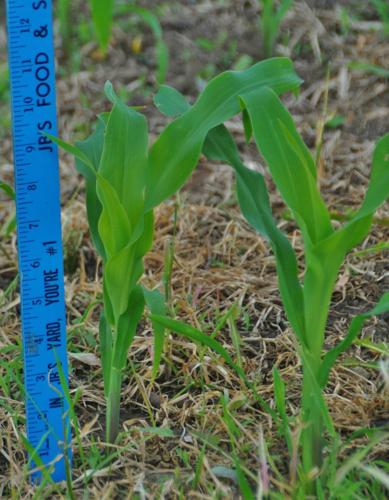
Planting can be marked on the calendar as officially complete. The remainder of the soybeans mixed in inoculant were planted June 20. After scouting, the soybeans have germinated and are looking good. The corn planted June 5 is measuring at about 8 to 9 inches tall, which won’t make the knee-high recommendation by July 4. Although if the temperature keeps residing in the 80s, and with a little more sun, the corn might find that extra-needed nitrogen causing another growth spurt. Hopefully farmers aren’t too concerned about the rain washing their trace minerals or added fertilizers away.
Overall from June 15 to June 30 we accumulated another 2.58 inches of rain in our fields located on the farm. That doesn’t sound like a lot of rain; but if there isn’t enough sun, plants are functioning at a decreased level of respiration leaving behind saturated soils.
- Wade Bulman For Agri-View
The past two weeks have definitely been more conducive for doing field work than the two weeks prior. We only had three major rains — two-tenths of an inch, four-tenths of an inch and 1 inch — with enough dry days between rainfall events to do field work.
Quite a few of the fields in the area that were too wet for planting in May are now done. Also some of the wet spots farmers went around earlier have been planted, although some spots are still too wet.
- Don Lutz For Agri-View
This past week was the best week we’ve had all spring for “days suitable for fieldwork.” On the larger dairy operations a lot of first-cutting haylage was cut and harvested during that week. The distinctive sweet smell of freshly cut alfalfa hay filled the air while driving on country roads with the truck windows down.
So far putting up dry hay has been impossible. Most everyone now has completed planting corn and soybeans. We finished the evening of June 11. We kept an extra tractor and a couple of long chains handy in case I came too close to those lingering wet areas. The threat of a shower at about 2 p.m. almost ended the day. But it passed to the north allowing me to finish that evening.
- Josh Kroeplien For Agri-View
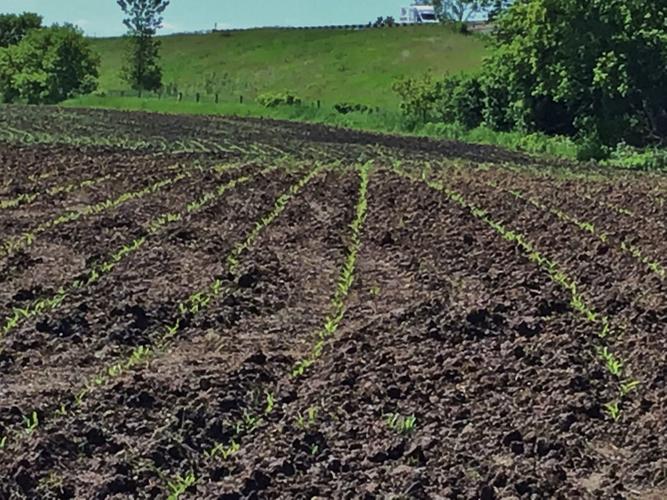
We received the green flag and accomplished most of our laps. Now we’re parked on the side for a rain delay again. During the weekend and first couple days of this past week, ourselves along with almost everyone else were going full steam. We had planted most of our customers’ soybeans and corn along with spraying it all. We only need about two days to finish, which Mother Nature looks like she’s going to give us here shortly.
We haven’t cut our alfalfa yet due to the ground being saturated. We’ve watched several neighbors cut and chop their hay off. But they are leaving some bad tracks out in the fields. With us having our HD “low lignin” alfalfa it can sit a bit longer. We can still harvest good-quality feed and gain a bit more tonnage.
- Kimberly Weyland For Agri-View
It just doesn’t stop raining. We’ve been bombarded with about 3 inches of rain in the past two weeks. No farmer has been able to re-enter fields since June 13 due to the rain. It’s not uncommon to hear about farmers who haven’t completed planting. A few cold days approached that required sweaters and jackets. For a time period it was not ideal corn-growing weather, or what I like to refer to as summer.
Farmers are reaching new levels of frustration. Some crop farmers have taken the alternative route deeming planting as not feasible this year. Dairy farmers are living in the mindset of, “We must try because there are animals to feed.”
- Kyle Stull For Agri-View
A lot of progress was made in the area in the past two weeks. In my previous report I talked about how the start of late-plant was the next day. We didn’t know if people were going to keep planting corn or not. Well they did a lot of corn in the past 10 days.
The most difficult part of the season for me so far was trying to find earlier corn and fielding all the calls about what to do. I was talking to another farmer yesterday about the condition crops were put into; he said it all went into wet soils. Most fields were hit with tillage at least once and many a second time just to have the top dry and to size up the lumps.
- Josh Kroeplien For Agri-View
“Ooh, you almost had it!”
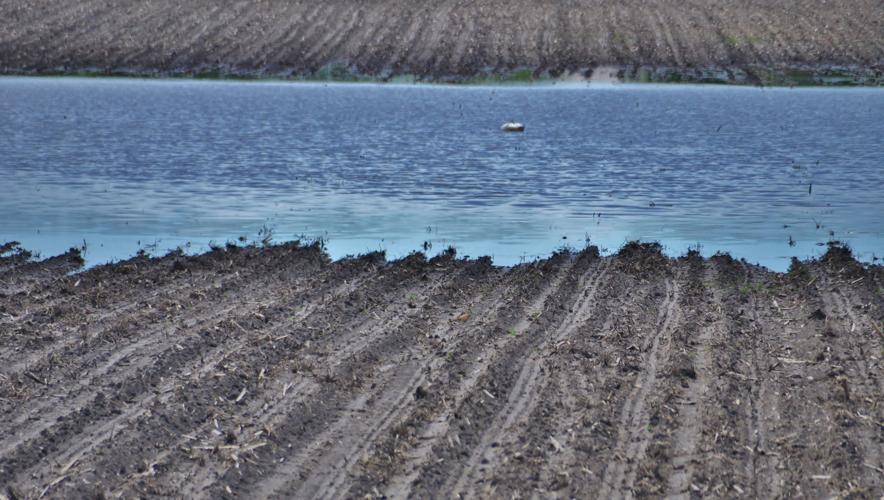
I feel like we’re living in that commercial with the fisherman who has a dollar. But instead Mother Nature is dangling dry-planting conditions over us like bait. We sprayed about 40 acres of winter wheat that needed some fertilizer and herbicide, but even that was a challenge.
- Wade Bulman For Agri-View
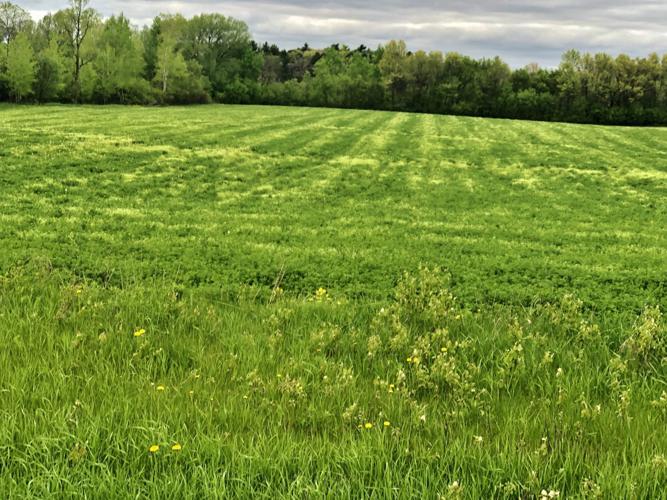
According to my unofficial tally of rain for the past two weeks, we have received between 5 and 6 inches. It did dry sufficiently for a few days so I could finish planting and spraying. But conditions were far from ideal. Most of the fields in our area that dried enough to be planted have been planted. A lot of the corn is coming up.
A lot of the level fields in the area that haven’t been planted because of standing water look like they won’t be accessible for a long time because the water table is high. Of my land 10 percent to 15 percent also fits into that category of too wet.
- Don Lutz For Agri-View
Many farmers have finished planting corn. But many acres of soybeans remain to be planted. I’m not sure all the intended soybean acres in our area will be planted to soybeans, especially on operations with cattle — particularly dairy.
Except for this past year’s new seedings, alfalfa winter and spring damage was more extensive than first realized. Subsequently more alfalfa acres are being abandoned all the time. Dairy operations may run short of forage or roughage, and will need to supplement rations with more corn silage. Some of those extra corn acres will come from acres originally intended for soybeans. Other acres will be converted to establishing new seedings for next year’s alfalfa-hay crop. I’ve also heard a lot of discussion of taking one cutting of forage from damaged alfalfa fields, then abandoning the stand and planting to a short-maturity corn variety.
- Kyle Stull For Agri-View
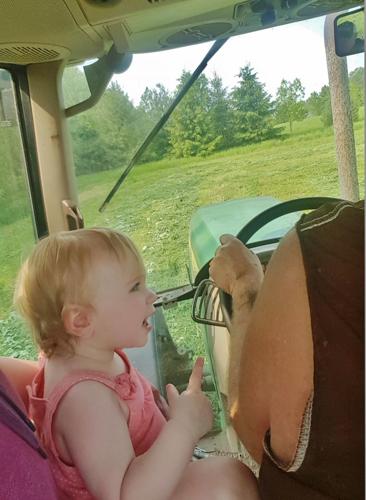
The past two weeks have seen little planting progress in our area. Some haven’t planted anything since mid-May; others planted two to three days scattered in the past two weeks. In the previous report I said we maybe had 40 percent of the corn in around us. That may have moved to about 50 percent. It’s the most difficult year to estimate, with some areas having more done than others.
May 31 is the final day to plant corn with full insurance coverage. Producers can now declare prevent plant. So there has been a lot of discussion regarding whether to keep planting corn or not. I’ve been busy trying to replace seed with shorter maturity based on when farms think they can plant.
- Kimberly Weyland For Agri-View
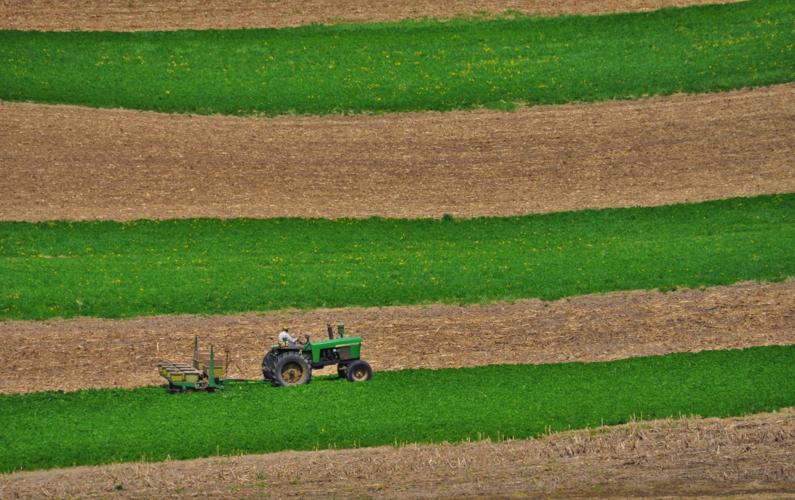
May brought many more rain showers, keeping the soils saturated. In the second-to-last week of May, my parents were able to plant two fields in sorghum and hay using a 450 John Deere drill at 6-inch spacing. Six-inch spacing helps with weed pressure.
The final week of May brought another heaping 1.6 inches of rain in one day. A stubborn overcast also resided for a few more days, leaving behind sporadic sprinkling rain showers. Planting has been put on pause once again until the soils dry.
- Wade Bulman For Agri-View
As I write my field report the calendar says it’s May 17, also known as Syttende Mai or the Norwegian Independence Day. It’s quite the celebration in many communities in the United States with Norwegian heritage. I remember back 35 or 40 years ago, we would usually be done planting on my father’s farms. We would be moving equipment through the small village of Spring Grove, Minnesota. We would be on our way to my older brother’s farm and rented acreages. There was always a lot of people and lots of festivities going on as we moved things through on the main state highway through town.
It has been a busy two weeks since our previous report. We were able to work in the fields the first week of May. I seeded oats and new seeding of alfalfa, timothy and red clover. We received 2 inches of rain May 8, which put a stop to the field work. Fortunately it came nice, which should help everything that was seeded be off to a good start.
- Kyle Stull For Agri-View
Two weeks ago I heard of 10 acres of corn near us that was planted. This past week we saw a huge increase in corn planting, with a few rolling May 12 and others following as the week progressed. While we had “only” .8 of an inch of rain this past week it took a while to dry, with temperatures in the 50s for most of the week.
The week of May 17 we saw slow drying, until May 14 when we were in the 70s with plenty of sun and wind. Our corn ground along the river stayed wet until just before it rained the morning of May 17.
- Josh Kroeplien For Agri-View
Cold, wet, and a chance of sun and heat; welcome to Wisconsin weather. It’s the same story, just a different week.
We have done a lot of scouting of alfalfa and decided that what has come back from dormancy is it. Many plants have been striving. But with our cold and wet soil conditions many of those plants are now dying. Many farmers are making their final decisions of taking a cutting and ripping them out for corn, or to patch them in for a year for the alfalfa feed.
- Don Lutz For Agri-View
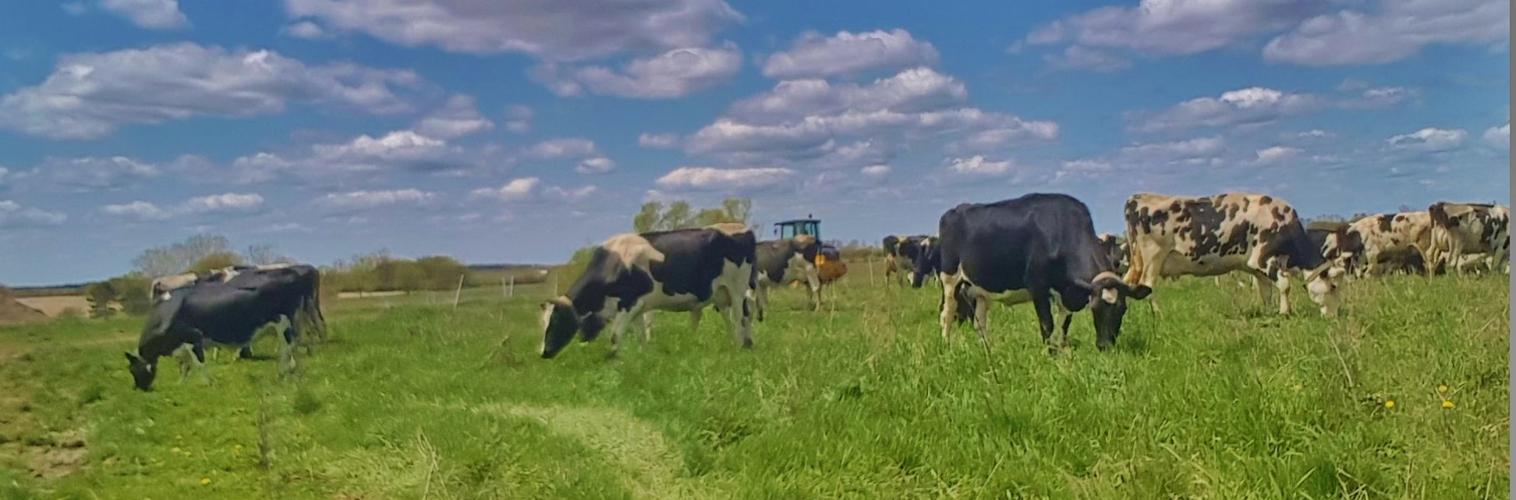
Much progress was made this week planting corn. A few acres of soybeans also went in the ground. A light morning shower May 17 kept everyone out of the fields. But by mid-afternoon planters were rolling again.
The earliest-planted oats with alfalfa fields have emerged and stands look good. There have been continued new alfalfa seedings as farmers assess current alfalfa condition and decide to abandon existing stands. Those surrounding alfalfa fields I remember as new seedings this past year, survived this past winter’s conditions the best.
- Kimberly Weyland For Agri-View
It feels like spring is here now. The first half of May many farmers were focused on spreading manure, applying a granular fertilizer mixture, and working land with the plow and rototiller. A few farmers began planting about May 15. The beginning of May brought many showers with some colder days.
Mid-May brought warmer weather with slightly less rain. Farmers are planting between rain falls. Weather radars are being watched closely. Other farmers have said their fields are still a little too wet to begin planting. The hay fields look terrible, with a lot of winter kill. I’m curious to see what decisions my family makes in regards to the poorer hay fields. I’m sure the older hay fields will be worked and re-seeded in corn.
- Kimberly Weyland For Agri-View
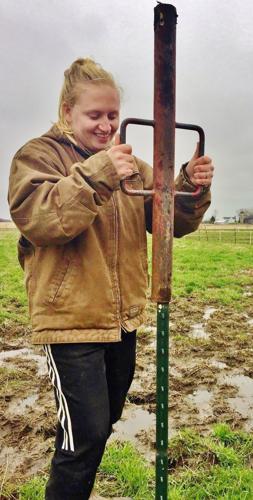
Ending the month of April, I spent most of my time prepping our ruminant rotational-grazing lots on our family farm. The cows generally start their grazing season mid-May. But depending on how fast things dry, the grazing date is variable. This year the cows are grazing in a new location. The old paddocks have been removed and will be planted in corn. Fertilizer was spread throughout the new paddocks and old paddocks were roto-tilled. It’s nice seeing the change of scenery because the cows have been grazing the original paddocks for 10-plus years.
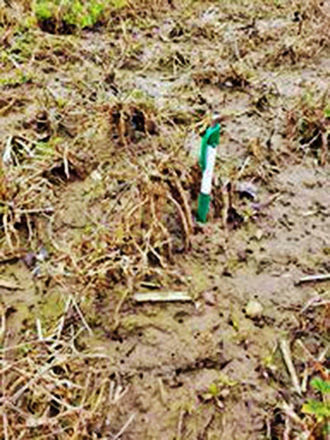
My goal is to be sure all paddocks are fixed with working power and functional water lines before the grass is too tall, which makes working conditions less favorable. Fields are wet in some spots causing some corner posts to become crooked. But that’s a simple fix using a post-pounder. Prepping for grazing season can be labor-intensive with long hours. So it’s always a good idea to grab sunscreen with a full water bottle even on cloudy days.
- Josh Kroeplien For Agri-View
I hope sunshine is headed our way so I can plant some alfalfa hay! Another two weeks have passed; it’s been nothing but rain and chilly temperatures. The weather has some farmers grumbling, but it’s still early for planting in our area. A few people in the area with late-maturity corns — 105-plus days — are starting to think about changing to an early-maturity corn. We will wait and see what choices are made for the future. Rapidly changing weather is something we laugh about often.
Alfalfa scouting the past two weeks has been eye-opening. A few weeks back the alfalfa looked like it had a good chance. But the cold and wet weather has all but finished off many fields. It’s probably the worst alfalfa crop I have seen in years. The roots of the alfalfa couldn’t withstand the freeze-and-thaw cycle we were in or the prolonged exposure to flooding.
- Don Lutz For Agri-View
During the past couple weeks we’ve truly experienced April weather in Wisconsin. We had a daily high of 83 degrees and a daily high of 39 degrees. Those types of temperature-change fronts often bring moisture. Even though we’ve received rain, the snow originally forecast for central Wisconsin tracked farther south along the Wisconsin-Illinois border. With those big weather changes, limited field work has been done. Some liquid manure has been applied, either spread or injected. Fields have had the final tillage pass in preparation for planting corn or soybeans.
I’ve seen some fields of alfalfa seedings. Many acres of potatoes have been planted on the sands, with progress only slightly behind normal. I did see a few crews picking up piles of stones dumped this past fall as part of the potato-harvest process. That task usually is done in the fall. But with this past year’s disastrous potato-harvesting conditions, it just wasn’t finished.
- Kyle Stull For Agri-View
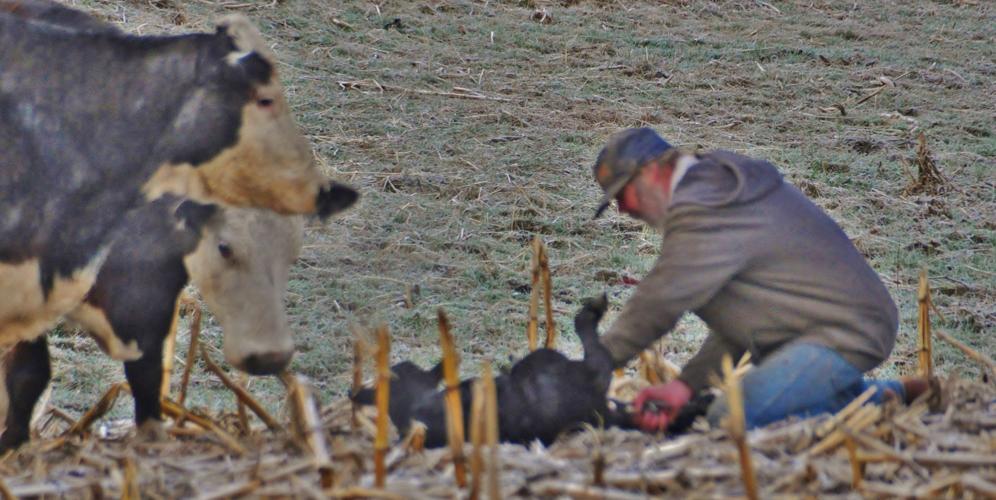
The forecast changed quite a bit in the past two weeks. We received about 1.5 inches of rain April 22, followed by 2 to 3 inches of snow April 27 and then about 1 inch of rain this week.
Locations to our south were rolling this past week. I even planted one of my Pioneer seed plots near Burlington, Wisconsin. But they didn’t miss the snow. They received more rain this week.
- Wade Bulman For Agri-View
My father, who’s a lifelong farmer with nearly 70 years of cropping experience, always said he sowed oats more often in May than he ever did in March. We always wish we could finish in March; it seems it’s usually the middle to the end of April. But this year has been anything but usual. This is the year we will be sowing oats in May.
Most of the field activity in this portion of western Wisconsin the past two weeks has been limited to hauling manure. There has been a small amount of tillage and a limited amount of seeding done. Some corn has been planted primarily on lighter ground.
- Wade Bulman For Agri-View
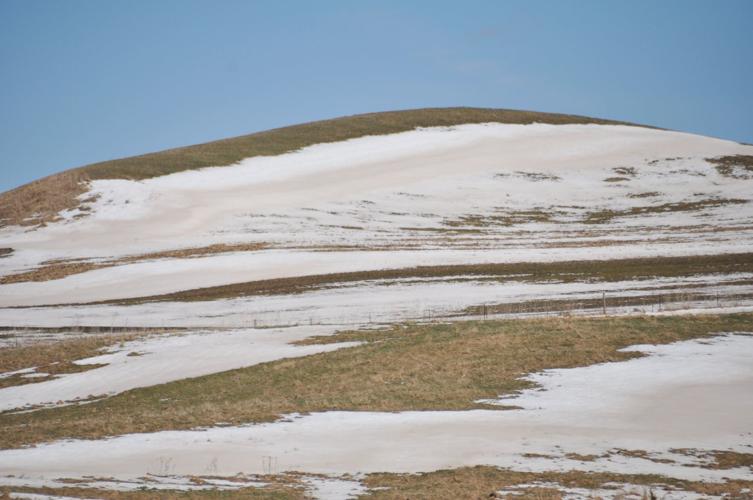
Fire, snow and rain are the highlights of the past two weeks. It’s difficult to imagine now, but it actually became dry enough to burn our goat prairie. Goat prairies are somewhat unique to our area; it’s one of the few places they exist. They are steep sun-facing dry hillsides in unglaciated regions. Managing and restoring them includes doing prescribed burns. My neighbor fires my prairie when he does his own. I follow by burning some scrub areas along my fields.
Besides the occasional manure spreader, I saw one farmer working a field as I passed through Grant County in the far southwest corner of the state. The day after that we received 10.5 inches of snow with a lot of weird-looking brown crust on top of the snow. It was topsoil blown in from Texas and New Mexico. Normally we don’t see snirt in our valley; it’s a stark reminder of how we all should be doing the best we can to preserve our precious topsoil from the ravages of wind erosion. Since then we’ve had almost 3 inches of rain. There isn’t much snow left.
- Don Lutz For Agri-View
Well so much for the advice in my previous article suggesting we venture into the field to check for damage in winter wheat and forage stands. By the time that Agri-View edition arrived in our mailbox, we were dealing with 10 inches of fresh snow with a crust of ice to enhance the misery. The temperature and wind were cold and blustery enough to make working outside the protection of a shop uncomfortable. Ah, but a couple last-minute tax questions gave me an excuse to spend some time doing a little bookwork. Never thought I’d say I was happy to work on taxes!
I traveled recently to Madison to join with staff and board members of the Wisconsin Corn Growers Association to discuss issues and concerns facing Wisconsin’s corn farmers. Even though the Wisconsin Corn Growers Association represents crop production, enough of the board members are involved in dairy that related issues were also discussed. After morning discussions we spent an afternoon visiting state senators and representatives — or staff — in their Capitol building offices. As we split up to visit each member, our priorities focused on groundwater access, responsible and sustainable nutrient management, and transportation — including biodiesel and implementing rules making it easier for Wisconsin gas stations to offer E-15 — 85 percent gasoline with 15 percent ethanol — without incurring significant costs refurbishing their pumps.
- Josh Kroeplien For Agri-View
April rains and mid-month snow — I guess it’ll be a while before flowers start to show. Yes, snow mid-month came down for a second year in a row. I’m starting to think it’s a new trend for us. It seems like we have a nice day or two, and then we have two or three dreary and rainy days.
We haven’t even started looking at fields to plant any alfalfa, corn or soybeans because our soils are heavily saturated and cold. This year we’ve had time to keep rethinking plans as Mother Nature assures us we’re a couple weeks out yet. We’re going to consider putting some soybeans in early before we start corn. In many studies that I’ve been reading, farmers are seeing extra yield on soybeans when they are planted early. Plus putting beans in early gives us the opportunity to go back into our fields after the long wait of winter. Corn is too touchy with our heavy clay soils to risk planting in marginal soils.
- Kyle Stull For Agri-View
After a warming trend we’ve been on a roller coaster of weather the past two weeks, with two separate snow events. April 14 brought snow to parts of our area. Some had about 6 inches of snow while at the farm we had only 1 inch of snow.
Starting this week we had more than an inch of rain predicted; we only received about 0.4 inches of rain. With warmer temperatures and less rain in the forecast it appears planting is likely to start before the end of the month. Now that we’re able to walk more alfalfa fields after green-up, we’re seeing some fields that didn’t handle the winter as well as we would have hoped. It doesn’t appear that’s the case in all fields. So it’s not a repeat of 2014 when we had one-third of alfalfa stands killed off. We found some frost while cleaning fence lines this past weekend. Others are saying they have found more in marshes and along ditches. But for the most part it appears frost is completely out of the fields. I pulled a few soil temperatures. They’ve been in the 40s so soil should be fit to plant once we can dry out and warm a little.
- Kimberly Weyland For Agri-View
In Winnebago County the first week of April brought the final snowfall. The snow cover stayed for a few days before completely melting. In the second week of April we had about four days of rain with a cloudy overcast that stayed for a week.
Puddles and ponds are no longer in fields. Or if so they’re showing a small presence despite the damp days. Farmers are currently spreading manure with caution, avoiding the wet spots. Hopefully the sun will come out along with a few windy days and we won’t have a compressed spring. In Marathon country the rain greened up alfalfa fields. The alfalfa is still too immature to tell if the winter-ice cover caused frost damage. This past fall saturation affected our area a little. But the majority of the farmers were able to complete most of their fall fertility and tillage plans despite having a later harvest. Some farmers might add extra to spring sidedressing due to the fall saturation.
- Kimberly Weyland For Agri-View
In the final week of March the three-day WPS Farm Show took place in Oshkosh, Wisconsin. Locals and many others had traveled the distance to see the latest and greatest technology. Many left the WPS Farm Show with their bag full of brochures, candy and pens. It seemed the nice weather during Wednesday of the show brought the most people out.
Farmers are beginning to shift gears from a winter mindset to a spring-plant fever. Planting equipment is being brought to the shop for maintenance; hybrids and fertilizers are filling machine sheds as shipments arrive. I have spoken with some farmers. They are still deciding on what seed to order, but most all have at least placed their fertilizer orders.
- Josh Kroeplien For Agri-View
It’s an honor to write once again for the Agri-View newspaper. I truly enjoy telling people what’s happening in my area.
After the major meltdown here many have been questioning their alfalfa stands and winter-wheat stands. From preliminary scouting I’ve found we may not have record-breaking winter-wheat yields. We will have an “average crop” if Mother Nature cooperates the rest of the time. Though I’m quite pleased with the alfalfa stands. I figured after the wet fall we had with lots of alfalfa underwater before freezing, I was going to see a lot of rotten or dead plants. But I’m seeing lots of good healthy plants. There’s some heaving and some loss. But as of this moment I would say no more than the typical Wisconsin winter.
- Don Lutz For Agri-View
Welcome everyone as I try to summarize events occurring in central and northeast Wisconsin. I appreciate the opportunity to discuss a few of the activities going on in our area of Wisconsin.
Much of the snow in the open fields has disappeared. But remnants of the snow banks remain, created while plowing to keep the winter roads open. I commented the other day that I had never seen so many road signs and mailboxes taken out by plowing crews as I did this year. Also remnants of large snow drifts are waiting for a warm rain to finish the melt — especially on the north side of wooded areas or heavy fence lines where they receive limited direct sun.
- Kyle Stull For Agri-View
Planting season is coming closer and closer every day. We’ve been out delivering seed and cleaning fence lines this past week at the farm. Equipment is coming out of the sheds next week while others have been starting to do some field work.
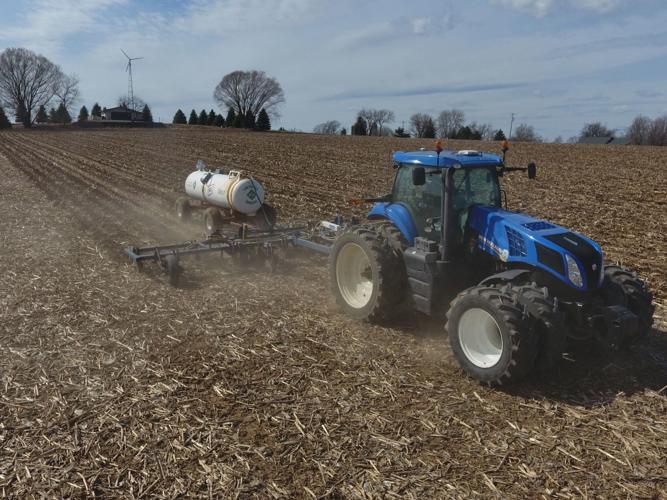
I took a trip to a client by Burlington, Wisconsin. I saw much more activity with anhydrous going on and alfalfa being planted. We did see a neighbor start putting on anhydrous on sandy ground around Pabst Farms near Oconomowoc, Wisconsin. I’ve also been out checking alfalfa and winter-wheat stands for winter survival as well as obtaining stem and tiller counts. It seems most winter wheat has come through winter in much better shape than we had thought, what with the late planting and the cold wet fall we had. Outside of wet holes and washouts wheat looks decent at this point. Though we’re still waiting for full green-up to be sure. Alfalfa has shown little frost heaving and is just now starting to green up.
- Wade Bulman For Agri-View
March definitely came in like a lion and out like a lamb in western Wisconsin. It quickly went from a windy -20 degrees Fahrenheit with 15 to 18 inches of snow to almost 60 degrees.
There were a lot of various kinds of barns in our area that went down because of snow load and wind, which caused a lot of hardship for many. We were fortunate that we only had damage to two sheds – one with a broken truss and another with several broken purloins. Many in the area, including myself, were up on the roofs shoveling snow off to relieve some of the weight on the buildings. The following warm-up and rain caused the snow to melt rather quickly.
More like this...
This is the final week of Agri-View’s “From the Fields” reports. We thank our reporters who stayed with us throughout difficult planting and harvesting seasons. In spite of numerous challenges they stayed positive. We hope everyone has finally finished harvesting – and that everyone will have a blessed Christmas and a wonderful New Year! From the Fields will be back for the 2020 planting season. Hopefully it will be a much better year. Sincere thanks go out to every farmer who works so hard to put food on everyone’s table. – Julie Belschner, editor
- Kimberly Weyland For Agri-View
Holiday spirit and the constant humming sound of grain dryers fill the air. Temperatures are in the single digits. The cold temperatures have offered an opportunity to combine for those who still have corn in the field. The snow fell off the corn leaves, and the ground is finally stiff enough to drive on without becoming stuck. Now the only goal is not plugging the sieves in the combine.
Crop harvest halted as another snowstorm appeared but gravity boxes and semis-tractor trailers are full. Augers will be turning. Machinery doesn’t like to start in cold temperatures; batteries tend to fail. Skid loaders are being used to push snow off driveways for easier access.
- Wade Bulman For Agri-View
I visited with several farmers the past two weeks. One farmer said he finished harvesting corn before deer hunting. He was happy to be finished so he didn’t need to worry about the loss of corn to the elements and wildlife. In his past experience that could be a substantial amount.
I heard a report from the Wisconsin Department of Natural Resources that about 26 percent fewer deer were harvested opening weekend. I suspect part of the reason for the decrease was on account of all the corn still in the fields – which in many places allowed the deer to elude the hunters. Speaking of wildlife in the corn, another farmer reported a bear that ran back and forth through his corn field until he reached the last few rows. That’s when the bear stood up on its hind legs; it was taller than the corn. When the bear realized its cover was disappearing it finally took off for the creek.
- Josh Kroeplien For Agri-View
We are finally back at soybeans. Seemed like we took a month off since the last soybeans came off but it was really closer to two weeks. The ground finally hardened and snow melted to let us take off a good chunk of them. We ran three days straight, harvesting half our soybeans. Yields are pretty decent considering many of the beans were planted 30-plus days behind. Most soybeans are running in that 40- to 55-bushel range but there are some that are touching that 60- to 70-bushel range. I have even heard of some guys claiming they have had their best yields on their farms ever.
Currently we are back at corn. We had a little bit of snow-freezing-rain; the moisture has increased to more than 20 percent. We had about four good days of corn to do and about four more days of soybeans. There is light at the end of the tunnel but the tunnel is fairly long yet.
- Don Lutz For Agri-View
The snowstorm through the area Thanksgiving week has proven to be a real setback. In some areas it’s been a disaster for finishing corn harvest. As the storm front approached it began as rain. But as temperatures became colder, rain froze to the plants. It then became embedded with a snow and rain mixture to create a thick icy crust that has been difficult for the sun to penetrate or the wind to break up.
Temperatures have been mild enough that we haven’t been able to test whether combining in colder conditions would allow the ice to break up easier or pass through the combine. Wisconsin’s corn harvest for grain was estimated at about 70 percent complete. Unharvested soybeans in some areas of Wisconsin are in even more trouble to complete the 2019 harvest.
- Kyle Stull For Agri-View
We had a lot of crops come off this past week with a dry stretch of weather. It’s crazy to look at the weather data and see that we just had six days of dry weather. And that was the longest stretch since Aug. 20-25 in Watertown. There were two periods in there of five days of dry weather; but one was in early September so really we only had one dry stretch in three months.
That being said we had plenty of beans still in the field that came off this past week. Many started out in the 20-percent range and ended this weekend at 17 percent to 18 percent, but at this point they need to be out of the field before winter. It’s difficult to put a figure on what is left to harvest. But driving around there is less and less out there so there are a few that are going to be done soon. Others are maybe a week or so away if the ground can stay frozen.
- Wade Bulman For Agri-View
As I pen this report the day after Thanksgiving, there are many many acres of corn unharvested in our area of western Wisconsin. We hauled our last load to the elevator Dec. 18.
By midweek it had warmed enough – along with 1.25 inches of rain – that all the frost was pulled out. I had no problems pushing temporary electric-fence posts in to allow the cows to glean the entire farm. Needless to say the fields were very muddy. Farmers who were able to return to harvesting were picking and choosing where they went.
- Josh Kroeplien For Agri-View
Two more weeks have passed and nothing has changed – wet and no additional crops off. I had an opportunity to combine for maybe two or three hours one day of soybeans but that’s been it.
Farmers with their own dryer setups are doing a little here and there but no one is going full steam ahead. We did however turn under a handful more of our acres with our Kraus Dominator with 360 Bullet points on it. We’re hoping with the points that we have full fracture across the bottom of our hardpan to hopefully allow more water to pass through yet this fall or spring into lower soils. They do require a bit more horsepower but we have seen good results in the spring as far as drying a day or two faster.
- Don Lutz For Agri-View
Corn harvest for dry grain is progressing slowly. Some rain and drizzle early in the past two-week period gave way to cloudy skies. But at least drier conditions allowed the corn-harvest pace to increase this past week.
Moistures have not dried down much if any. It’s only the moisture from precipitation that appears to have evaporated from the plant. As Thanksgiving approached a couple of new rounds of moisture-bearing fronts were forecast. As we move into early December it’s less likely we can expect any precipitation to be rain or quick-melting snow to keep combines moving every day.
- Kyle Stull For Agri-View
Someone made the comment to me the other day that there may be more beans standing than corn. I think that may be accurate after driving around the country the past few days.
There were some soybeans that came off this past week in the mud, with moistures between 18 percent and 20 percent from what I heard at the local grain location. Corn harvest continues even after the rains we keep having every couple of days. The struggle has been finding fields where producers can load trucks on the road – or a decent driveway to back in off the road.
- Kimberly Weyland For Agri-View
Hopefully everyone had a wonderful Thanksgiving and were able to give thanks, or be thankful. Many soybeans were harvested just before Thanksgiving. The snow melted, no more rain storms occurred and snowstorms were offering a break from poor weather. Humidity resided at about 50 percent to 55 percent, making harvest possible. Moisture was measuring at 13 percent to 17 percent. Augers were turning and grain bins were filling quickly.
There was another rush to harvest as more rain was coming in the forecast. Some of the pods on the soybeans dropped due to the large amount of snow earlier; it was difficult for the combine to pick up every pod. But I think it was done and there was not a significant loss in yields. Combining lower to the ground increased the probability of breaking a sickle.
- Don Lutz For Agri-View
I have only seen a few soybean fields remaining to be harvested in our area. They were all grouped together so I’m guessing they’re all for one farm – or a small group of farmers waiting for a certain custom-combining operator to come to their area. Meanwhile corn harvest for dry grain is starting slow. Temperatures as much as 20 to 25 degrees less than normal have just not helped corn dry down at all.
In addition multiple snow showers of about an inch or so that have stuck to the plant have kept combines from going. Filling the semi-hoppers at night to take in first thing in the morning didn’t work well either. The high-moisture corn along with near-zero-degree nighttime temperatures froze corn to the hopper walls – and necessitated crawling into the hoppers to sweep out the frozen corn.
- Josh Kroeplien For Agri-View
Our corn silage is finally all harvested. Mother Nature lightened up a bit with her rain and snow, and gave us some colder weather to firm the ground to travel across. The last corn silage was the best traveling ground; our custom harvester went across the whole season. My July 15 corn that we planted in 15-inch rows and 109-day relative maturity held some good moisture yet even though there was some damage from cold and snow. It produced some decent tonnage considering how late it was planted. The last 100 acres averaged about 11 tons to the acre; a 20-acre parcel averaged 16 tons. So with that being said, for how late it was planted I consider that a victory. It was definitely a better choice than what sudangrass and such would have been.
This past Friday was the first time all season we had an opportunity to do any soybeans of our own. We needed to manage through about an inch to 2 inches of snow but were able to start at a slow pace. Yields are inconsistent on the first 200 acres we harvested, ranging from 30 to 55 bushels to the acre. Some ground where planting conditions were marginal are for sure showing. Hopefully the next time I write we will be talking about how we finished all our combining and talk more about results.
- Kyle Stull For Agri-View
Harvest rolls on here as snow and cold continue to impede progress. I drove today to a meeting in Janesville and then back toward the farm while looking at all the soybean fields that have yet to be harvested.
Many are hoping to be back into soybeans when the snow comes off. A few had gone out this past week to combine beans on frozen ground, with moisture at about 15 percent. There’s plenty of hope we will have another chance to take them off.
- Kimberly Weyland For Agri-View
The large amount of snow on the ground would normally lead many to transition into a holiday mindset. Farmers are telling a different story this year as harvest continues to weigh heavily on their minds.
It’s been difficult drying crops down. Truth is it’s no surprise harvest is later than normal; there was a late plant, a lot of rain and now early snowfalls. Early snow is what farmers didn’t want but that’s exactly what happened; weather hasn’t offered any breaks. If the snow hadn’t happened there would be more fields off; harvest would be complete. Some farmers had their combines harvesting in a light snowfall, which isn’t something typically seen.
- Wade Bulman For Agri-View
After reading everyone’s previous field report, I realized I was the only one who didn’t report any snow. Well this time I can join everyone else and report we had about 4 inches Nov. 6. It was not sticky but enough fell that I needed to plow my driveway. It’s quite steep so I need to plow to drive the car up without becoming stuck.
I don’t like to plow snow before the ground is frozen because it makes a big mess and it’s all too easy to push expensive gravel off the edge.
- Don Lutz For Agri-View
About two weeks ago we experienced an area-wide killing freeze for corn. Everyone made the most of available dry-weather conditions to finish corn-silage harvest, harvest soybeans, spread or inject manure, and/or finish any remaining vegetable harvest. Most crops have been harvested and removed except for corn for grain, or for probably about half of that to be harvested as high-moisture grain.
We basically finished soybean harvest this past Thursday night; we had about 10 acres to harvest Friday afternoon. We will be immediately switching to corn and focus on opening fields to harvest end rows. We’ve been watching the weather forecasts. Temperatures have been colder than normal the past week to 10 days. Forecasts are calling for them to stay colder than normal for several days. We’re concerned that toward the end of this week daily temperatures are forecast to be less than freezing at best, with lows in the teens. We’ll focus on combining corn to the pivot bases so irrigation lines can be blown out to remove any water in the lines before freeze damage.
- Kyle Stull For Agri-View
We just experienced a winter storm on, check calendar, Halloween?! While we had about 5 inches at the farm I was in a few areas that had about 8 inches on Halloween. I went out to take a few pictures in fields and it was like walking on a water bed out there.
With more than 2 inches of rain in most areas in the past two weeks along with the current cold and snowy forecast, harvest is on hold around here for the foreseeable future. This past week I traveled from Janesville to Burlington, and north to Dodge County, seeing maybe 50 percent of soybeans off and about 20 percent of corn off. Some areas were at 0 percent of both crops off, depending on planting timing and weather. I’ve heard a few say this is the slowest fall they can remember. But I remember not doing any corn or soybeans until November in 2009; we had an amazing November that year for combining so maybe we will see that this year.
- Kimberly Weyland For Agri-View
Excitingly we have received two more snowfalls that have left the ground looking white. Fall leaves that remain intact on tree branches now have a snow cover, which offers the eye breathtaking beauty.
Mud and tractor ruts are still everywhere; the ground is not completely frozen yet. Corn-silage harvest was very muddy, but is complete despite being stuck often. The rest of the corn still standing will be harvested for grain. Currently corn moisture is too much for grain harvest though some farmers might have harvested some as a test run. Moisture is between 20 percent and 25 percent. With the snow storm, corn moisture might be even more. Let’s hope for more sunny days.
- Wade Bulman For Agri-View
The past two weeks were almost deja vu to the previous two. We had three-tenths of an inch of rain Sept. 19, followed by a wet start to the next week with another 2.25 inches by Sept. 22. The remainder of that week and all of the next were dry; consequently a lot of field work was being done. Some of the things I saw were cutting and round-baling hay, manure hauling on harvested bean ground, combining beans, baling bean residue and corn combining.
I started combining Oct. 28 on one of my flat fields next to the creek. I was halfway around when I dropped a drive wheel into a washout. After sweet-talking my wife into rescuing me, she was able to pull me out. It was the first work with the freshly repaired 4-wheel-drive tractor. It was a good thing, too, because I don't think my smaller tractors would have pulled the combine out.
- Josh Kroeplien For Agri-View
It’s been the story of the year – rain … rain … rain … now snow! It’s been two weeks of havoc and unproductive for most.
Myself and my father helped a neighboring farm finish their corn-silage harvest as we have been waiting patiently for our custom harvester to come in. The first part of the harvest it was rough but manageable. It became a lot better in the middle and toward the end of their harvest. They finished so we decided to try on our own ground with their equipment. That lasted for about 6 or 8 acres. After a couple of hours of sliding side-to-side and moving dump carts at a snail pace due to excessive mud and no bottom to have any traction, we decided to pack it in and hope for better conditions. Since then we have accumulated 4 inches of snow and have cooler conditions. The only hope now is that maybe the top couple of inches will firm or freeze-harden enough to carry equipment across.
- Kyle Stull For Agri-View
Soybean and corn harvest has started, with soybeans coming off between rain and bad weather. I heard this morning there have been only five mostly sunny days in the past six weeks – and we can tell. Corn that is coming off has been yielding better than maybe we expected; but yields are variable across the field with wet holes and compacted areas. Moistures for corn continue to be very high with even corn planted in April coming in at about 30 percent.
We had a hard frost or freeze this past week. Many corn fields have that gray cast to them and they are now starting to quickly turn brown. There will be many fields that were not at black layer that will have some high moistures and stalk issues this fall.
- Kimberly Weyland For Agri-View
October has brought first frost along with a first snowfall and even more rain. That doesn’t stop field work. This past week a lot of corn silage was harvested. Oct. 13 we had our first snowfall; farmers continued chopping in the flakes. Saturated soils have caused chopper wagons to become stuck. Currently corn is at about 25 percent milkline, but with the many different maturities of corn planted along with later planting dates it’s difficult to tell where everyone is at.
Soybeans have lost their leaves and are closer to being ready for harvest. On the east side of Lake Winnebago it looks like a lot of farmers started harvesting soybeans. Traveling an hour and a half southwest, winter wheat was being planted. We had the hopes of getting another crop of hay off, but the weather decided it was time to be cold and wet. No more hay was harvested.
- Wade Bulman For Agri-View
The past two weeks have definitely been drier than the previous two. We had a half-inch of rain total scattered through four days. The cold and damp prompted us to start the wood stove in the house. We don’t hold out as long as we did when we were younger.
We had a killing frost Sunday night Oct. 13. It seems like a lot of the time the weather doesn’t straighten out in the fall until we have that first freeze. Maybe we will have some nice Indian-summer weather now.
- Josh Kroeplien For Agri-View
Final alfalfa-field burndowns are completed. People are just starting to chop corn because they are running out and field conditions are marginal at best. Many farms are finding dump carts and extra manpower as we try to harvest corn. The silage that is coming off is at a slow pace but there’s some good tonnage – even though most of it was planted late this year.
Soybeans at the end of the week here just started to be harvested by the farmers who have their own dryers. Most soybeans are way too wet yet; many of us are putting our main focus in our silage for the cows.
- Don Lutz For Agri-View
Early in this reporting period we were able to harvest a few acres of soybeans. We were able to start again late this past Thursday. A good probability of rain again both this past Saturday and Monday enticed us to take advantage of every available hour. This previous weekend we took a trip to the Twin Cities. I didn’t see one harvested soybean field from Wausau through Eau Claire and on north to Hudson.
The yields for soybeans we’ve harvested have just been average. The pod and bean counts are better than average, but the bean size is smaller than average. Early weather conditions were good; they gave us good pod count and pods with three beans. But the dry weather in August didn’t produce the bean size when the potential was there for better-than-average yields.
- Kyle Stull For Agri-View
We just can’t catch a break from rain the past couple of weeks with more than 6 inches at the farm this past week. About 10 days ago we had a stretch of about four days where silage and other field work was able to go. A lot of silage came out of fields those few days.
To the south many are almost done but to the north most were just starting. This week looks better with a stretch of dry days that we haven’t seen since late August, according to the local news. I took a day to drive around checking corn moistures for customers. I only found a few in the 20s while most were not quite to black layer yet. With the warmer forecast this week and sun we should see a lot of fields mature. Drydown continues to be the biggest concern going forward in corn, but we will need to see what the end of October does.
- Wade Bulman For Agri-View
It has been a wet week in this area of western Wisconsin, with more than 2.5 inches of rain on already-saturated soils. I have not seen any field work done this past week. The previous week was quite a bit drier with only three-quarters of an inch of rain.
Farmers in the area took advantage. Quite a lot of corn silage was put up and some rye cover crop seeded on harvested fields. One farmer I visited with said the yield was better than expected on the low-lying fields considering the late planting and poor germination.
- Josh Kroeplien For Agri-View
Rain, rain and more rain. During the past couple of weeks many are trying to decide how to take off corn silage. Many of our local farms are putting on their Facebook pages warnings and apologies to the communities because we’re going to be making the roads slippery and a mess. But we are chasing behind cleaning them up. Many neighbors are searching for extra tractors and dump carts to take the crop off. This past week here the 4.5 inches of rain in 48 hours was not needed. Our corn at our farm is a good solid two weeks out before we will even consider chopping; it’s still lush-green.
Soybeans have been changing color and loosing leaves, so we’re a couple of weeks out from starting to harvest them. That of course depends on Mother Nature. Many farms are going to see a bit of a struggle this year harvesting if wet conditions stay for the fall. Many hybrids of beans this year podded tight to the ground. So I’m sure that’s going to help everyone’s yields this year in addition to planting them late.
- Don Lutz For Agri-View
Drizzly damp weather during the past few days, after a couple of days of heavier rain, has left fields with standing water and slow to dry. Corn-silage harvest has been halted.
Many soybeans are mature enough to harvest but moisture levels and field conditions hold back any harvest. There has been virtually no field activity for the past week.
- Kimberly Weyland For Agri-View
Rain has continued leaving fields wet and muddy. The focus is corn-silage harvest.
The first week of October broke records for accumulated precipitation. No one has ever seen this much rain before. Standing water in fields is a common sight. It has raised more challenges for sure.
- Kyle Stull For Agri-View
It's been rain and more rain the past couple of weeks. It’s really starting to feel like 2018 all over again as we are starting to want to be in the fields to harvest crops. Many areas in the northern and western parts of our area have had 4 inches of rain during the past two weeks, with areas to the south having almost 6 inches of rain.
Silage harvest is on hold for many as we try to anticipate when we can go back into the fields. Many ran short this year from the cold winter and reduced yields this past year, so there are several trying to chop a load a day to keep cows fed. Most silage moistures are about 68 percent to 70 percent on early to middle planting dates so it’s time for many to start.
- Kimberly Weyland For Agri-View
There has been a lot of rain in recent days. Driveways are muddy. We have been having much more than average accumulated precipitation for September. Farmers are starting to become frustrated with the abundance of rain. Spring plant was very rainy and wet, and now it’s the same story for fall harvest.
Farmers are beginning to harvest corn silage though currently chopping corn silage is on a small hold due to rain. Prior to corn silage a third crop of sorghum was harvested. In other fields fourth-crop hay was harvested. Fourth-crop was only harvested in fields that were needed to be cut earlier due to a feed shortage in spring. Otherwise in most hay fields this year only a third crop of hay would have been harvested due to having a later start in the fields. Typically a fourth-crop hay would be the normal amount of harvest in a good year.
- Josh Kroeplien For Agri-View
We hosted our third-annual plot day at our location and had a nice small crowd. We went through plots talking about the micronutrient packs and fertilizer practices along with hybrids and experimental hybrids that are all being exhibited. The only thing that would have made the day nice was some sunshine. It was one of the few days we had rain that week.
Our corn is still working in overdrive in many areas, trying to compensate for lost time this spring. I have a couple of fields that we planted in July that are coming around just like we hoped they would. They are producing height at an astonishing rate.
- Don Lutz For Agri-View
For the remainder of this year all weather concerns in our area will focus on that first killing frost. During the past two weeks we received a couple of significant rain-producing fronts with more than enough moisture to carry us through the crop year. We have seen most day temperatures at well more than normal, reaching almost 80 degrees. But the shorter autumn days are apparent with complete sunset by 7:30 in the evening.
In corn fields for grain the stage of maturity varies greatly. A neighbor friend who spent a couple days touring area fields with the seed company he represents commented about finding fields from within 10 days of black-layer maturity to those just starting to dent. For those fields just starting to dent we figure it will take another 30 killing-frost-free days to reach black-layer maturity. That’s somewhat surprising because crop emergence and early development varied very little between plants planted during a four-week period this spring.
- Wade Bulman For Agri-View
“Ripe ears on a green stalk” was the advertising line of a seed-corn company some years ago. I think every farmer who wants to harvest corn for grain likes to see that because it means the plant was able to be physiologically mature before frost. It also allows the maximum amount of the hybrid's potential yield.
There continues to be a huge variation of maturity in both corn and beans in this area. Some fields of earlier-maturing corn that was planted in mid-May is already black-layered. Other fields are in milk.
- Josh Kroeplien For Agri-View
We received our “million dollar” rain. Farmers were finishing seedings. We received our shot of rain to start everything. The rain also helped the corn and soybeans. The alfalfa has been jumping out of the ground nicely.
I've been on the watch with northern corn leaf blight, along with all the other pressures we've seen in prior weeks. But most have been kept in control by Mother Nature.
- Don Lutz For Agri-View
Our area finally received a nice rain this past Monday evening. We had gone four weeks with a total rainfall accumulation of less than an inch. As we watched the weather radar track what we thought would be a "can’t miss" approaching front, it always seemed to split or turn to go on either side of us. But when I talk to people where I thought the rain went, they say the same thing. Sometimes I think they must create different radar images for different areas to make everyone think they just missed that much-needed rain. Only kidding.
August’s dry-weather conditions were most noticeable in the soybean fields because it was easier to have a bird’s-eye view over the field canopy. We could see the leaves turning yellow and even dropping on the more-drought-prone sandy knolls. The dry conditions were also noticeable in corn fields from the road if I was in a position to see over the field’s canopy. The plant’s leaf bulk shrank to display more-distinguishable rows deeper into the canopy.
- Kyle Stull For Agri-View
Walking corn fields this past week there was a lot of variability in progress. I’ve seen anything from half-milkline to late-blister on some mid-June-planted corn. Most silage samples have been coming in at about 70 percent the past couple of days. So it looks like silage harvest will be starting about the time this report is published.
I’ve had a few calls about corn ears showing tip back. Most of it’s on hybrids that pollinated about the final week of July. That week we had temperatures in the 80s and night-time temperatures in the 60s. That puts a lot of stress on the plants and can make them abort kernels.
- Kimberly Weyland For Agri-View
This year has been an outlier year. Farmers will not have bumper crops to brag about. But farmers aren't unfamiliar with difficult years; people take the good years with the bad.
Corn was still pollinating in August, which is something normally seen in July. The bottom leaves on the corn were beginning to turn yellow in the first week of September.
- Wade Bulman For Agri-View
We only had two rain showers in the past two weeks -- one was one-half inch and another was four-fifths of an inch. That left plenty of dry days for farmers in the area to accomplish field work. The reduced humidity and sunshine was conducive for haymaking. One farmer I visited with said he put up some nice hay this past week, although not enough of it. Some late-summer-early-fall seeding was done in the area. Soils were dry enough to make a good seedbed.
I saw a field of corn silage that was harvested. It think it was probably taken off a little early, so some stream-bank restoration could be started. In the next two weeks corn-silage harvest should be underway in earnest.
- Don Lutz For Agri-View
The hot moist weather of July that helped crop development close the gap on normal growing-degree-day totals has suddenly turned cool and dry. Crop conditions are beginning to show stress on the lighter more coarse soils in our area. Weather fronts that included nice rain totals to the north and south of us this past weekend bypassed us, dropping only a couple hundredths of an inch in our immediate area. The cooler temperatures have caused heavy evening dew and dense morning fog. Irrigation pivots have been running. The weather forecast is for continued dry weather with the best chances of future moisture listed at only about 30 percent. This spring that 30 percent would have been enough for a two- to three-hour rain, which we so badly need now.
Small-grain harvest, as limited as it is this year, is sporadic. Much of the small grains planted as a nurse crop to alfalfa seedings were harvested as forage to help supplement short alfalfa-forage supplies. I've seen some area acres of corn being harvested for forage. I expect their plan is to try and limit the ration shock by doing a more gradual transition from fermented silage to more fresh-cut silage in their dairy ration because supplies of stored forage are depleted.
- Kyle Stull For Agri-View
A week ago we took a much-needed vacation to northern Minnesota for the first time in three years. We returned to fields that had progressed quite a bit while we were gone. I found the first corn in dent August 19 from mostly early May- and April-planted corn. A lot of June-planted corn was just starting or finishing pollination this week. So we're still looking at quite a spread in maturity for this fall.
With some silage in early dent we look to be about two to three weeks from the start of harvest in most early fields. Timing is going to be difficult for many with fields that will likely be ready one week and others that will be ready a couple weeks later.
- Kimberly Weyland For Agri-View
A lot of corn fields are smaller in height in comparison to past years and hold an unhealthy light-green appearance. Yields will be predictably less. There are a few fields that are superior, standing a few feet taller that retain a healthier dark-green appearance. But that's not the case for the majority.
The wet spring didn't allow for easy manure applications. Robust-looking corn marks spots where the manure spreader was stuck, and manure was dumped in one spot. Surrounding spots where the manure spreader couldn't apply resulted in a lighter-green shorter-looking corn. Unfortunately the lack of manure spread due to the inability of mobility through fields resulted in negative consequences. Large amounts of rain could have also drained other trace minerals and important elements away, and along with a later-planting date, had resulted in shorter corn.
- Wade Bulman For Agri-View
The day after writing my previous report it started raining and rained nearly every other day leaving more than 3 inches for the week. But this past week the rain stopped; it has been dry. Most any hay in the area that was big enough to cut has been put up or is in the process of being put up. Because we are in a valley with abundant streams, we receive a lot of valley fog in the mornings from late June until frost. This past week we've been blessed with less humidity making ideal working conditions.
We're finishing eating our sweet corn patch. The raccoons seem to have had their fill and are being good about sharing with us.
- Josh Kroeplien For Agri-View
Mother Nature needs to throw us some rain. Soybeans and corn are starting to show symptoms of needing water. Leaves are curling on soybeans; corn leaves are reaching for the sky. We finally finished the final 150 acres of Y-dropping along with spraying the last of the new seedings to kill off broadleaves.
At first glance we originally weren’t going to be doing any fungicide on corn because there wasn’t a lot of pressure. But in the past week rust and northern corn leaf blight started to push. There's a good grouping of hybrids of brown midribs and other silage hybrids that are for sure receiving fungicide. The next week here we will be watching closely, making those last-minute decisions on the corn for fungicide.
- Kyle Stull For Agri-View
The roller coaster continues because we were dry near the time I wrote the previous report. Now we’ve again had about 2 to 3 inches of rain in the past week or so.
There's plenty of corn that has pollinated. But there's still enough that's just now starting to pollinate. We figure about 60 days from pollination to maturity. So it will be close with our average frost date of Oct. 18.
- Kimberly Weyland For Agri-View
Focus has been directed to making haylage in the past week. I was married this past weekend so crops were delayed for a short period. Quickly after that the bagger was prepared, the machine was greased and chopper wagons were hauling full loads. This year feels like second crop and third crop blended together, leaving a small break. Weather has been favorable; stress levels feel manageable. A few fields looked to have more sorghum with fewer alfalfa plants. Other fields carried more alfalfa. Either way it all was chopped.
The soybeans grew fast, standing about 1 foot tall. Plants carry a strong healthy green color. Weed pressure is weak. After hay harvest is complete soybeans will be cultivated again in areas of need. The cultivator received a new disc with springs and a bearing.
- Wade Bulman For Agri-View
It appears as though we returned to a more normal weather pattern for the end of July and the beginning of August. We had some short rather intense pop-up showers that dropped one-quarter-inch to 1 inch of rain in intervals. That allowed adequate dry time between to do necessary field work.
I noticed some fields south of here in a sandy area had their center pivots going. Some of the corn that wasn't being irrigated was looking a little stressed. But most of the corn and soybeans in the area continue to look good.
- Josh Kroeplien For Agri-View
We finished most of our Y-dropping except for about 150 acres of ground that's way too wet to travel across. Our corn varies from 1 foot tall from the previously planted corn, to some that's more than 9 feet tall and tasseling. A handful of our clients added micronutrients to help with some of the deficiencies like zinc boron and potassium. We have spotted signs of tar spot and other pressures that may force us to apply fungicide this year on much of our corn.
Our soybeans are coming along nicely. We did spray almost every acre of soybeans for white-mold pressure due to the significant signs we saw.
- Don Lutz For Agri-View
Storm cleanup continues in the area. The first round of cleanup involved trimming and cutting downed or damaged trees. It also included picking up debris to open roads and driveways, and restoring electrical power. During the past two weeks farmers have been doing the best they can to clear downed trees in fence lines that fell into the fields.
In hay fields to minimize crop damage, many took off the hay crop and then went in to remove downed fence-line trees. In corn and soybean fields most will leave downed trees until after harvest. They'll then remove trees after combine or silage harvest.
- Kimberly Weyland For Agri-View
Recent weeks have brought more sun allowing for good hay-drying weather. The weather has been hot and muggy. There were two light rain showers but nothing that caused an extreme delay in the hay-making process. Big bales of excellent-quality hay were baled and put in the sheds for the winter. Haylage was also chopped and bagged.
Much earlier in the past couple of weeks bedding was either chopped or baled. Second-crop is coming to a close. This year there are less alfalfa bales, which might be the result of winter kill or just old alfalfa fields. Corn has grown quickly but the height of the corn is variable in spots. The corn is about 5 feet tall in some areas of the field. In other areas the corn is knee-high. Some fields have a healthy green appearance; other corn fields have a pale-green tone. There are even a few spots where corn didn’t germinate as the consequence of a wet spring. Or it was never planted.
- Wade Bulman For Agri-View
We haven’t had any rain since July 20, which is the longest stretch of dry weather since I can’t remember when. We were able to bale up our waterways and a couple of fields of weedy oats that weren’t going to make grain. We seeded oats with red clover, hoping to harvest the grain and use the clover for a cover crop before corn next spring. That was the first plan. But giant ragweed grew in there, which is a recurring problem on this farm due to lack of control while farming organically. Because the ragweed hadn’t flowered, I cut and baled the oats. It will make bedding without spreading more ragweed seed.
Other farmers in the area are finishing their second crop and making some nice bales.
- Josh Kroeplien For Agri-View
We had a great two weeks of heat and some small rainstorms to keep everything moving right along. Our early-planted corn and soybeans are looking good.
We finished our soybean spraying and started on Y-dropping nitrogen on corn. We’re seeing a lot of yellowing spots in fields this year. That’s mostly due to soil compaction and the ground being too wet when we tried to plant. But the cows need feed. We’re going to be applying nitrogen along with some micronutrients to help some of the yellowing corn green up a bit.
- Don Lutz For Agri-View
The July 20 storms that crossed Wisconsin left significant damage in the area. Downed trees and limbs from extreme winds landed on homes, out-buildings, autos, equipment and power lines. Roads were blocked and electrical service was lost. We lost power for almost three days.
Cattle escaped areas enclosed with electric fences and roamed the fields. A few building roofs were lost. Some area irrigation pivots were tipped over in the field from the winds. The warm humid conditions made cleanup efforts all that more tiring and stressful without air-conditioning for a good night’s rest.
- Kyle Stull For Agri-View
Following the heat we had for the previous report we received 2 to 3 inches of rain about a week ago. After a couple of cooler days we were back into the heat and humidity again. I did see one irrigation track running on some corn a little less than a week after we received the rain. So even though we had a couple of inches we used that fast.
Given how dry we were before the rain, and that corn uses more than one-quarter-inch of water per day during tassel, I’m not surprised we’re becoming dry again. This past weekend I saw the first pods on soybean plants that were planted in May. So there’s a long way to go for them to reach maturity yet.
- Josh Kroeplien For Agri-View
The final round rang of trying to plant “spring” crops. Many farmers the past two weeks pushed hard to plant crops into ground that still isn’t fit for corn. I sprayed many acres the past two weeks that were a sponge underneath. Tires would sink down about 8 to 10 inches but never be muddy. There are several farmers who are very frustrated.
In this past two weeks we sprayed 90 percent of our corn ground its second time and are on the start of our soybeans. New alfalfa seedings in the area are coming along better than anticipated. With many planting them before the larger rains we had figured they would have flooded out or washed away. But to our surprise they look good. Several of my customers have taken a really early cutting here on some of those new seedings to try to help with weeds, and to encourage alfalfa plants to establish themselves better.
- Wade Bulman For Agri-View
What a difference some sunny days, heat and humidity can make for corn. Some of the earliest-planted corn is more than 6 feet tall. I haven’t seen any tassels on the field corn yet, although I did see a couple of fields of sweet corn that was tassled and setting ears.
There are still some corn fields in the lower areas that are struggling and yellow. But considering the spring that we had the crop looks good. Bean fields in the neighborhood also are looking good; most have been sprayed. We had 2.5 inches of rain June 28 after I wrote the previous report. Then the next two weeks we “only” received a total of 2.5 inches more, ranging from 0.25 to 1.5 inches in four rainfall events. We actually had five days between without any rain. A quite a lot of of hay, both first- and second-crop, was put up on those days.
- Kimberly Weyland For Agri-View
Rain isn’t as prevalent anymore; the sun is shining. The weather has been great for hay-making. The second crop is being harvested. Alfalfa looks healthy, thick and tall in some fields. Hay is drying fast. Some hay was chopped and bagged, but most were baled into big square bales. Tires were fixed. Sickles were changed on the haybine. Chopper wagons were greased and oiled.
Cows are grazing their paddocks. But with the hot weather they’re seeking cover in the shaded areas. Or they walk back to the freestall barn sooner. Bluegrass headed out fast in the paddocks that weren’t clipped. The paddocks will need to be clipped to rid them of the stuff cows won’t graze. Mosquitoes and fireflies are swarming late at night.
- Kyle Stull For Agri-View
It’s been heat, heat and more heat the past two weeks. Corn is starting to curl up in many fields. In areas around Ixonia where we didn’t have as much rain we’re finding compacted areas showing all over. I’ve been walking fields from Walworth County to Dodge County; there’s a lot of variability in height and corn progress. Today I walked corn that was knee-high to corn that is tasseling – and everything between. One local retailer finally is spreading and spraying – about two weeks behind 2018 and maybe three weeks behind normal.
Wheat harvest looked about two weeks out this past week and this week it’s maturing fast so I’m sure there will be some coming off by the weekend. Most dairies are done with second crop and thinking about third while those making dry hay are finishing first crop and looking at second crop.
- Don Lutz For Agri-View
The past week offered an opportunity to put up dry hay. But one needed to be bold enough – or reached a point of desperation – to challenge the weather forecast. Storms forecast for mid-week in our area never materialized. I’ve seen some fields that efforts to put up hay appear to have been abandoned. The alfalfa is blossomed and lodged so bad that the quality of potential hay is questionable.
As I’ve talked to farmers in other parts of Wisconsin, crops in central Wisconsin are in surprisingly good condition. Corn that has had supplemental nitrogen applied is shoulder- to head-high and displays that deep green color we strive for. Soybeans are starting to flower but have not yet reached row closure on 30-inch rows.
- Wade Bulman For Agri-View
Ecclesiastes 11:6 says, “Sow your seed in the morning, and do not lie idle in the evening for you do not know whether morning or evening sowing will succeed or whether both of them alike will be good.”
To paraphrase that a little to correspond with this difficult planting season, “Plant your corn early and late for you do not know which will be the best.”
- Josh Kroeplien For Agri-View
I had an eventful week. We successfully chopped and packed away our alfalfa in the bunkers; we also emptied our manure pit. The alfalfa in our plots and the new field of seeding from this past year were some of our best. We saw anything from 5.5 to 6.5 tons per acre. I’m excited for the feed-quality results to come back on the hybrids.
There are still a handful of acres out there for our farm that need to be planted. But Mother Nature has made that a challenge. Rain and more rain is preventing us from finishing.
- Kyle Stull For Agri-View
The past two weeks has been full of a lot of calls about fields looking yellow and various other issues. We’re finally seeing some heat, so corn is growing fast along with weeds.
In most areas I scout there’s corn that is in the V7 to V8 stages and is about waist-high. Next to those fields there’s corn that’s in the V3 to V4 stages and maybe ankle-high or so. I did spot one neighbor planting corn this past week. There are a few talking about planting corn as a cover crop on prevent-plant ground.
- Kimberly Weyland For Agri-View
Planting can be marked on the calendar as officially complete. The remainder of the soybeans mixed in inoculant were planted June 20. After scouting, the soybeans have germinated and are looking good. The corn planted June 5 is measuring at about 8 to 9 inches tall, which won’t make the knee-high recommendation by July 4. Although if the temperature keeps residing in the 80s, and with a little more sun, the corn might find that extra-needed nitrogen causing another growth spurt. Hopefully farmers aren’t too concerned about the rain washing their trace minerals or added fertilizers away.
Overall from June 15 to June 30 we accumulated another 2.58 inches of rain in our fields located on the farm. That doesn’t sound like a lot of rain; but if there isn’t enough sun, plants are functioning at a decreased level of respiration leaving behind saturated soils.
- Wade Bulman For Agri-View
The past two weeks have definitely been more conducive for doing field work than the two weeks prior. We only had three major rains — two-tenths of an inch, four-tenths of an inch and 1 inch — with enough dry days between rainfall events to do field work.
Quite a few of the fields in the area that were too wet for planting in May are now done. Also some of the wet spots farmers went around earlier have been planted, although some spots are still too wet.
- Don Lutz For Agri-View
This past week was the best week we’ve had all spring for “days suitable for fieldwork.” On the larger dairy operations a lot of first-cutting haylage was cut and harvested during that week. The distinctive sweet smell of freshly cut alfalfa hay filled the air while driving on country roads with the truck windows down.
So far putting up dry hay has been impossible. Most everyone now has completed planting corn and soybeans. We finished the evening of June 11. We kept an extra tractor and a couple of long chains handy in case I came too close to those lingering wet areas. The threat of a shower at about 2 p.m. almost ended the day. But it passed to the north allowing me to finish that evening.
- Josh Kroeplien For Agri-View
We received the green flag and accomplished most of our laps. Now we’re parked on the side for a rain delay again. During the weekend and first couple days of this past week, ourselves along with almost everyone else were going full steam. We had planted most of our customers’ soybeans and corn along with spraying it all. We only need about two days to finish, which Mother Nature looks like she’s going to give us here shortly.
We haven’t cut our alfalfa yet due to the ground being saturated. We’ve watched several neighbors cut and chop their hay off. But they are leaving some bad tracks out in the fields. With us having our HD “low lignin” alfalfa it can sit a bit longer. We can still harvest good-quality feed and gain a bit more tonnage.
- Kimberly Weyland For Agri-View
It just doesn’t stop raining. We’ve been bombarded with about 3 inches of rain in the past two weeks. No farmer has been able to re-enter fields since June 13 due to the rain. It’s not uncommon to hear about farmers who haven’t completed planting. A few cold days approached that required sweaters and jackets. For a time period it was not ideal corn-growing weather, or what I like to refer to as summer.
Farmers are reaching new levels of frustration. Some crop farmers have taken the alternative route deeming planting as not feasible this year. Dairy farmers are living in the mindset of, “We must try because there are animals to feed.”
- Kyle Stull For Agri-View
A lot of progress was made in the area in the past two weeks. In my previous report I talked about how the start of late-plant was the next day. We didn’t know if people were going to keep planting corn or not. Well they did a lot of corn in the past 10 days.
The most difficult part of the season for me so far was trying to find earlier corn and fielding all the calls about what to do. I was talking to another farmer yesterday about the condition crops were put into; he said it all went into wet soils. Most fields were hit with tillage at least once and many a second time just to have the top dry and to size up the lumps.
- Josh Kroeplien For Agri-View
“Ooh, you almost had it!”
I feel like we’re living in that commercial with the fisherman who has a dollar. But instead Mother Nature is dangling dry-planting conditions over us like bait. We sprayed about 40 acres of winter wheat that needed some fertilizer and herbicide, but even that was a challenge.
- Wade Bulman For Agri-View
According to my unofficial tally of rain for the past two weeks, we have received between 5 and 6 inches. It did dry sufficiently for a few days so I could finish planting and spraying. But conditions were far from ideal. Most of the fields in our area that dried enough to be planted have been planted. A lot of the corn is coming up.
A lot of the level fields in the area that haven’t been planted because of standing water look like they won’t be accessible for a long time because the water table is high. Of my land 10 percent to 15 percent also fits into that category of too wet.
- Don Lutz For Agri-View
Many farmers have finished planting corn. But many acres of soybeans remain to be planted. I’m not sure all the intended soybean acres in our area will be planted to soybeans, especially on operations with cattle — particularly dairy.
Except for this past year’s new seedings, alfalfa winter and spring damage was more extensive than first realized. Subsequently more alfalfa acres are being abandoned all the time. Dairy operations may run short of forage or roughage, and will need to supplement rations with more corn silage. Some of those extra corn acres will come from acres originally intended for soybeans. Other acres will be converted to establishing new seedings for next year’s alfalfa-hay crop. I’ve also heard a lot of discussion of taking one cutting of forage from damaged alfalfa fields, then abandoning the stand and planting to a short-maturity corn variety.
- Kyle Stull For Agri-View
The past two weeks have seen little planting progress in our area. Some haven’t planted anything since mid-May; others planted two to three days scattered in the past two weeks. In the previous report I said we maybe had 40 percent of the corn in around us. That may have moved to about 50 percent. It’s the most difficult year to estimate, with some areas having more done than others.
May 31 is the final day to plant corn with full insurance coverage. Producers can now declare prevent plant. So there has been a lot of discussion regarding whether to keep planting corn or not. I’ve been busy trying to replace seed with shorter maturity based on when farms think they can plant.
- Kimberly Weyland For Agri-View
May brought many more rain showers, keeping the soils saturated. In the second-to-last week of May, my parents were able to plant two fields in sorghum and hay using a 450 John Deere drill at 6-inch spacing. Six-inch spacing helps with weed pressure.
The final week of May brought another heaping 1.6 inches of rain in one day. A stubborn overcast also resided for a few more days, leaving behind sporadic sprinkling rain showers. Planting has been put on pause once again until the soils dry.
- Wade Bulman For Agri-View
As I write my field report the calendar says it’s May 17, also known as Syttende Mai or the Norwegian Independence Day. It’s quite the celebration in many communities in the United States with Norwegian heritage. I remember back 35 or 40 years ago, we would usually be done planting on my father’s farms. We would be moving equipment through the small village of Spring Grove, Minnesota. We would be on our way to my older brother’s farm and rented acreages. There was always a lot of people and lots of festivities going on as we moved things through on the main state highway through town.
It has been a busy two weeks since our previous report. We were able to work in the fields the first week of May. I seeded oats and new seeding of alfalfa, timothy and red clover. We received 2 inches of rain May 8, which put a stop to the field work. Fortunately it came nice, which should help everything that was seeded be off to a good start.
- Kyle Stull For Agri-View
Two weeks ago I heard of 10 acres of corn near us that was planted. This past week we saw a huge increase in corn planting, with a few rolling May 12 and others following as the week progressed. While we had “only” .8 of an inch of rain this past week it took a while to dry, with temperatures in the 50s for most of the week.
The week of May 17 we saw slow drying, until May 14 when we were in the 70s with plenty of sun and wind. Our corn ground along the river stayed wet until just before it rained the morning of May 17.
- Josh Kroeplien For Agri-View
Cold, wet, and a chance of sun and heat; welcome to Wisconsin weather. It’s the same story, just a different week.
We have done a lot of scouting of alfalfa and decided that what has come back from dormancy is it. Many plants have been striving. But with our cold and wet soil conditions many of those plants are now dying. Many farmers are making their final decisions of taking a cutting and ripping them out for corn, or to patch them in for a year for the alfalfa feed.
- Don Lutz For Agri-View
Much progress was made this week planting corn. A few acres of soybeans also went in the ground. A light morning shower May 17 kept everyone out of the fields. But by mid-afternoon planters were rolling again.
The earliest-planted oats with alfalfa fields have emerged and stands look good. There have been continued new alfalfa seedings as farmers assess current alfalfa condition and decide to abandon existing stands. Those surrounding alfalfa fields I remember as new seedings this past year, survived this past winter’s conditions the best.
- Kimberly Weyland For Agri-View
It feels like spring is here now. The first half of May many farmers were focused on spreading manure, applying a granular fertilizer mixture, and working land with the plow and rototiller. A few farmers began planting about May 15. The beginning of May brought many showers with some colder days.
Mid-May brought warmer weather with slightly less rain. Farmers are planting between rain falls. Weather radars are being watched closely. Other farmers have said their fields are still a little too wet to begin planting. The hay fields look terrible, with a lot of winter kill. I’m curious to see what decisions my family makes in regards to the poorer hay fields. I’m sure the older hay fields will be worked and re-seeded in corn.
- Kimberly Weyland For Agri-View
Ending the month of April, I spent most of my time prepping our ruminant rotational-grazing lots on our family farm. The cows generally start their grazing season mid-May. But depending on how fast things dry, the grazing date is variable. This year the cows are grazing in a new location. The old paddocks have been removed and will be planted in corn. Fertilizer was spread throughout the new paddocks and old paddocks were roto-tilled. It’s nice seeing the change of scenery because the cows have been grazing the original paddocks for 10-plus years.
My goal is to be sure all paddocks are fixed with working power and functional water lines before the grass is too tall, which makes working conditions less favorable. Fields are wet in some spots causing some corner posts to become crooked. But that’s a simple fix using a post-pounder. Prepping for grazing season can be labor-intensive with long hours. So it’s always a good idea to grab sunscreen with a full water bottle even on cloudy days.
- Josh Kroeplien For Agri-View
I hope sunshine is headed our way so I can plant some alfalfa hay! Another two weeks have passed; it’s been nothing but rain and chilly temperatures. The weather has some farmers grumbling, but it’s still early for planting in our area. A few people in the area with late-maturity corns — 105-plus days — are starting to think about changing to an early-maturity corn. We will wait and see what choices are made for the future. Rapidly changing weather is something we laugh about often.
Alfalfa scouting the past two weeks has been eye-opening. A few weeks back the alfalfa looked like it had a good chance. But the cold and wet weather has all but finished off many fields. It’s probably the worst alfalfa crop I have seen in years. The roots of the alfalfa couldn’t withstand the freeze-and-thaw cycle we were in or the prolonged exposure to flooding.
- Don Lutz For Agri-View
During the past couple weeks we’ve truly experienced April weather in Wisconsin. We had a daily high of 83 degrees and a daily high of 39 degrees. Those types of temperature-change fronts often bring moisture. Even though we’ve received rain, the snow originally forecast for central Wisconsin tracked farther south along the Wisconsin-Illinois border. With those big weather changes, limited field work has been done. Some liquid manure has been applied, either spread or injected. Fields have had the final tillage pass in preparation for planting corn or soybeans.
I’ve seen some fields of alfalfa seedings. Many acres of potatoes have been planted on the sands, with progress only slightly behind normal. I did see a few crews picking up piles of stones dumped this past fall as part of the potato-harvest process. That task usually is done in the fall. But with this past year’s disastrous potato-harvesting conditions, it just wasn’t finished.
- Kyle Stull For Agri-View
The forecast changed quite a bit in the past two weeks. We received about 1.5 inches of rain April 22, followed by 2 to 3 inches of snow April 27 and then about 1 inch of rain this week.
Locations to our south were rolling this past week. I even planted one of my Pioneer seed plots near Burlington, Wisconsin. But they didn’t miss the snow. They received more rain this week.
- Wade Bulman For Agri-View
My father, who’s a lifelong farmer with nearly 70 years of cropping experience, always said he sowed oats more often in May than he ever did in March. We always wish we could finish in March; it seems it’s usually the middle to the end of April. But this year has been anything but usual. This is the year we will be sowing oats in May.
Most of the field activity in this portion of western Wisconsin the past two weeks has been limited to hauling manure. There has been a small amount of tillage and a limited amount of seeding done. Some corn has been planted primarily on lighter ground.
- Wade Bulman For Agri-View
Fire, snow and rain are the highlights of the past two weeks. It’s difficult to imagine now, but it actually became dry enough to burn our goat prairie. Goat prairies are somewhat unique to our area; it’s one of the few places they exist. They are steep sun-facing dry hillsides in unglaciated regions. Managing and restoring them includes doing prescribed burns. My neighbor fires my prairie when he does his own. I follow by burning some scrub areas along my fields.
Besides the occasional manure spreader, I saw one farmer working a field as I passed through Grant County in the far southwest corner of the state. The day after that we received 10.5 inches of snow with a lot of weird-looking brown crust on top of the snow. It was topsoil blown in from Texas and New Mexico. Normally we don’t see snirt in our valley; it’s a stark reminder of how we all should be doing the best we can to preserve our precious topsoil from the ravages of wind erosion. Since then we’ve had almost 3 inches of rain. There isn’t much snow left.
- Don Lutz For Agri-View
Well so much for the advice in my previous article suggesting we venture into the field to check for damage in winter wheat and forage stands. By the time that Agri-View edition arrived in our mailbox, we were dealing with 10 inches of fresh snow with a crust of ice to enhance the misery. The temperature and wind were cold and blustery enough to make working outside the protection of a shop uncomfortable. Ah, but a couple last-minute tax questions gave me an excuse to spend some time doing a little bookwork. Never thought I’d say I was happy to work on taxes!
I traveled recently to Madison to join with staff and board members of the Wisconsin Corn Growers Association to discuss issues and concerns facing Wisconsin’s corn farmers. Even though the Wisconsin Corn Growers Association represents crop production, enough of the board members are involved in dairy that related issues were also discussed. After morning discussions we spent an afternoon visiting state senators and representatives — or staff — in their Capitol building offices. As we split up to visit each member, our priorities focused on groundwater access, responsible and sustainable nutrient management, and transportation — including biodiesel and implementing rules making it easier for Wisconsin gas stations to offer E-15 — 85 percent gasoline with 15 percent ethanol — without incurring significant costs refurbishing their pumps.
- Josh Kroeplien For Agri-View
April rains and mid-month snow — I guess it’ll be a while before flowers start to show. Yes, snow mid-month came down for a second year in a row. I’m starting to think it’s a new trend for us. It seems like we have a nice day or two, and then we have two or three dreary and rainy days.
We haven’t even started looking at fields to plant any alfalfa, corn or soybeans because our soils are heavily saturated and cold. This year we’ve had time to keep rethinking plans as Mother Nature assures us we’re a couple weeks out yet. We’re going to consider putting some soybeans in early before we start corn. In many studies that I’ve been reading, farmers are seeing extra yield on soybeans when they are planted early. Plus putting beans in early gives us the opportunity to go back into our fields after the long wait of winter. Corn is too touchy with our heavy clay soils to risk planting in marginal soils.
- Kyle Stull For Agri-View
After a warming trend we’ve been on a roller coaster of weather the past two weeks, with two separate snow events. April 14 brought snow to parts of our area. Some had about 6 inches of snow while at the farm we had only 1 inch of snow.
Starting this week we had more than an inch of rain predicted; we only received about 0.4 inches of rain. With warmer temperatures and less rain in the forecast it appears planting is likely to start before the end of the month. Now that we’re able to walk more alfalfa fields after green-up, we’re seeing some fields that didn’t handle the winter as well as we would have hoped. It doesn’t appear that’s the case in all fields. So it’s not a repeat of 2014 when we had one-third of alfalfa stands killed off. We found some frost while cleaning fence lines this past weekend. Others are saying they have found more in marshes and along ditches. But for the most part it appears frost is completely out of the fields. I pulled a few soil temperatures. They’ve been in the 40s so soil should be fit to plant once we can dry out and warm a little.
- Kimberly Weyland For Agri-View
In Winnebago County the first week of April brought the final snowfall. The snow cover stayed for a few days before completely melting. In the second week of April we had about four days of rain with a cloudy overcast that stayed for a week.
Puddles and ponds are no longer in fields. Or if so they’re showing a small presence despite the damp days. Farmers are currently spreading manure with caution, avoiding the wet spots. Hopefully the sun will come out along with a few windy days and we won’t have a compressed spring. In Marathon country the rain greened up alfalfa fields. The alfalfa is still too immature to tell if the winter-ice cover caused frost damage. This past fall saturation affected our area a little. But the majority of the farmers were able to complete most of their fall fertility and tillage plans despite having a later harvest. Some farmers might add extra to spring sidedressing due to the fall saturation.
- Kimberly Weyland For Agri-View
In the final week of March the three-day WPS Farm Show took place in Oshkosh, Wisconsin. Locals and many others had traveled the distance to see the latest and greatest technology. Many left the WPS Farm Show with their bag full of brochures, candy and pens. It seemed the nice weather during Wednesday of the show brought the most people out.
Farmers are beginning to shift gears from a winter mindset to a spring-plant fever. Planting equipment is being brought to the shop for maintenance; hybrids and fertilizers are filling machine sheds as shipments arrive. I have spoken with some farmers. They are still deciding on what seed to order, but most all have at least placed their fertilizer orders.
- Josh Kroeplien For Agri-View
It’s an honor to write once again for the Agri-View newspaper. I truly enjoy telling people what’s happening in my area.
After the major meltdown here many have been questioning their alfalfa stands and winter-wheat stands. From preliminary scouting I’ve found we may not have record-breaking winter-wheat yields. We will have an “average crop” if Mother Nature cooperates the rest of the time. Though I’m quite pleased with the alfalfa stands. I figured after the wet fall we had with lots of alfalfa underwater before freezing, I was going to see a lot of rotten or dead plants. But I’m seeing lots of good healthy plants. There’s some heaving and some loss. But as of this moment I would say no more than the typical Wisconsin winter.
- Don Lutz For Agri-View
Welcome everyone as I try to summarize events occurring in central and northeast Wisconsin. I appreciate the opportunity to discuss a few of the activities going on in our area of Wisconsin.
Much of the snow in the open fields has disappeared. But remnants of the snow banks remain, created while plowing to keep the winter roads open. I commented the other day that I had never seen so many road signs and mailboxes taken out by plowing crews as I did this year. Also remnants of large snow drifts are waiting for a warm rain to finish the melt — especially on the north side of wooded areas or heavy fence lines where they receive limited direct sun.
- Kyle Stull For Agri-View
Planting season is coming closer and closer every day. We’ve been out delivering seed and cleaning fence lines this past week at the farm. Equipment is coming out of the sheds next week while others have been starting to do some field work.
I took a trip to a client by Burlington, Wisconsin. I saw much more activity with anhydrous going on and alfalfa being planted. We did see a neighbor start putting on anhydrous on sandy ground around Pabst Farms near Oconomowoc, Wisconsin. I’ve also been out checking alfalfa and winter-wheat stands for winter survival as well as obtaining stem and tiller counts. It seems most winter wheat has come through winter in much better shape than we had thought, what with the late planting and the cold wet fall we had. Outside of wet holes and washouts wheat looks decent at this point. Though we’re still waiting for full green-up to be sure. Alfalfa has shown little frost heaving and is just now starting to green up.
- Wade Bulman For Agri-View
March definitely came in like a lion and out like a lamb in western Wisconsin. It quickly went from a windy -20 degrees Fahrenheit with 15 to 18 inches of snow to almost 60 degrees.
There were a lot of various kinds of barns in our area that went down because of snow load and wind, which caused a lot of hardship for many. We were fortunate that we only had damage to two sheds – one with a broken truss and another with several broken purloins. Many in the area, including myself, were up on the roofs shoveling snow off to relieve some of the weight on the buildings. The following warm-up and rain caused the snow to melt rather quickly.
More like this...


Print Ads


