




With the number of beef cattle in the U.S. at a record low, turning things around will mean focusing on the land.

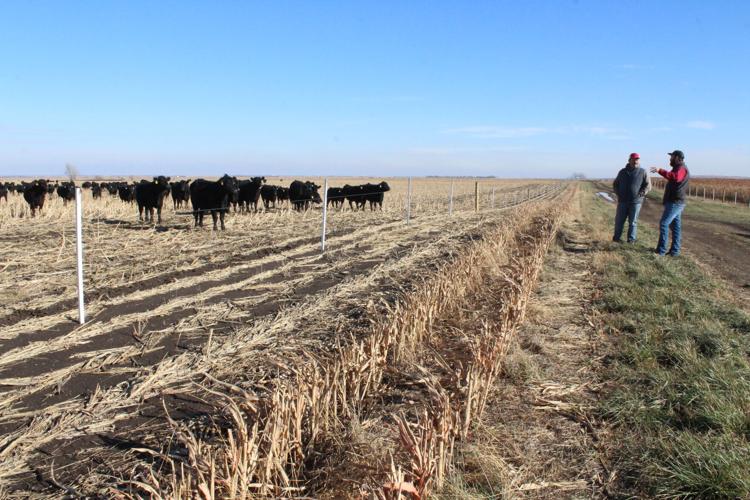
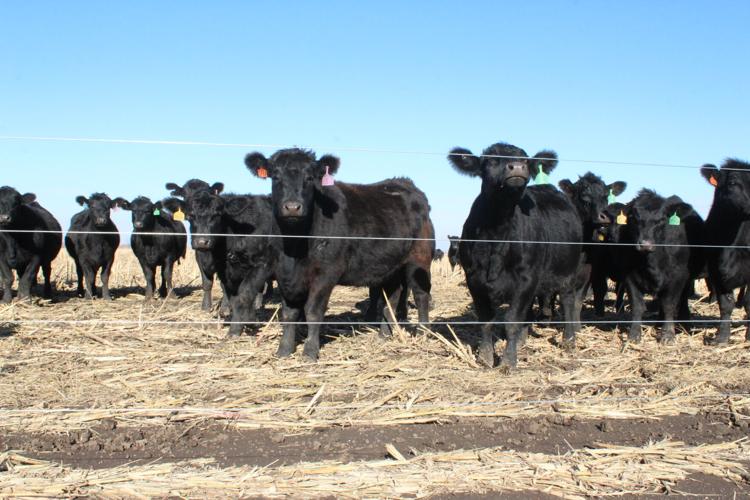
A herd of 350 bred heifers graze a quarter of milo that had been chopped for silage at Eagle Pass Ranch near Highmore, S.D. A partnership to install fence and water tanks has allowed the operation to graze new ground.

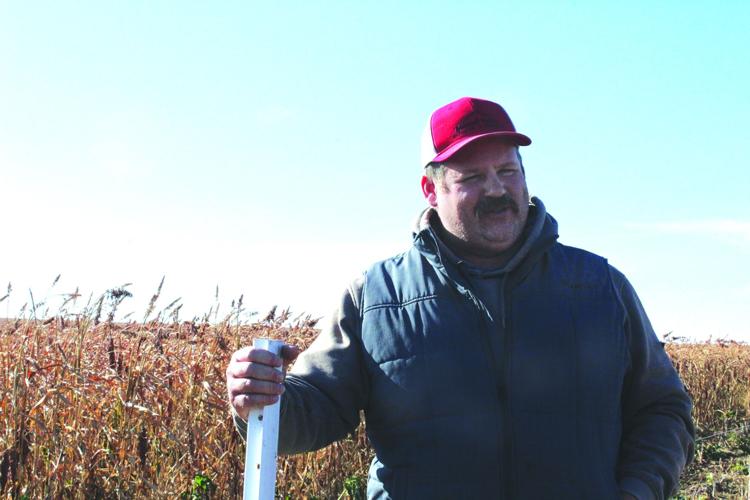
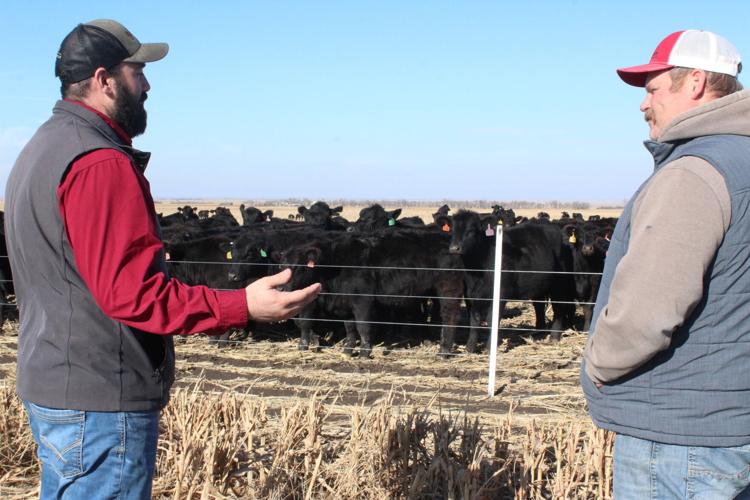
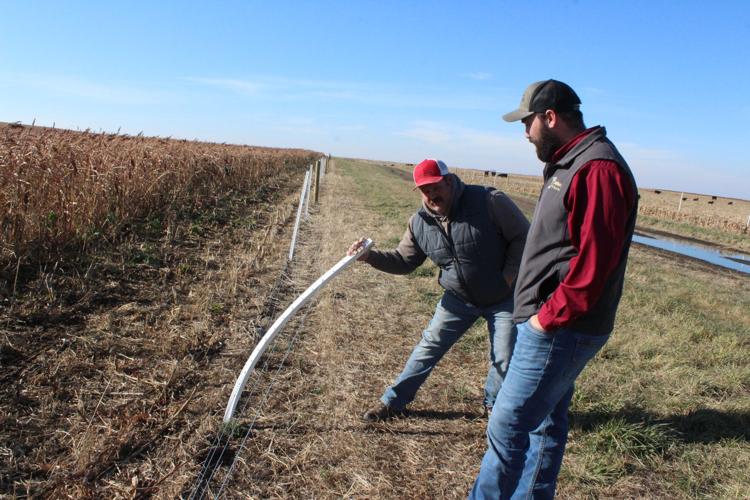
AJ Munger discusses his latest fencing project on a field of forage sorghum his cattle were set to graze this winter.

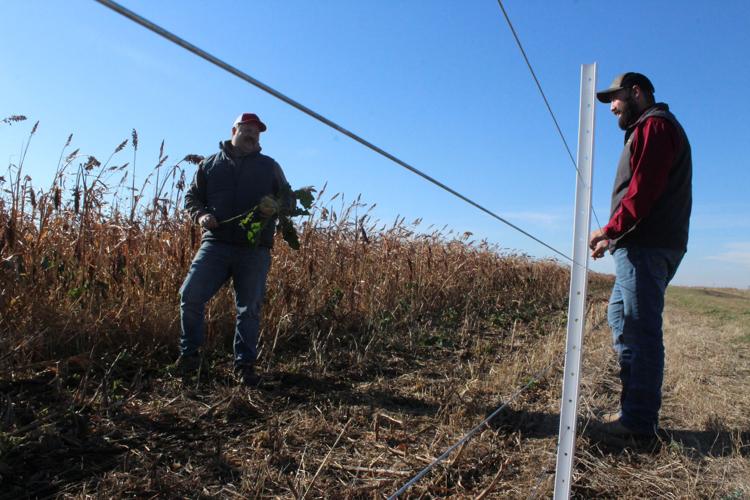
AJ Munger of Eagle Pass Ranch and South Dakota Game Fish and Parks Biologist John Mayrose, look over a field of forage sorghum Munger's cattle were set to graze this winter. A partnership with GFP allowed the Mungers to install fence and water tanks to more effectively graze pastures and crop land. “There’s a lot of food out there for them,” Mayrose said.
People are also reading…

AJ Munger of Eagle Pass Ranch and GFP biologist John Mayrose look over a group of bred heifers grazing milo stubble. GFP private lands habitat biologists help farmers improve their pastures in ways that benefit both cattle and wildlife.

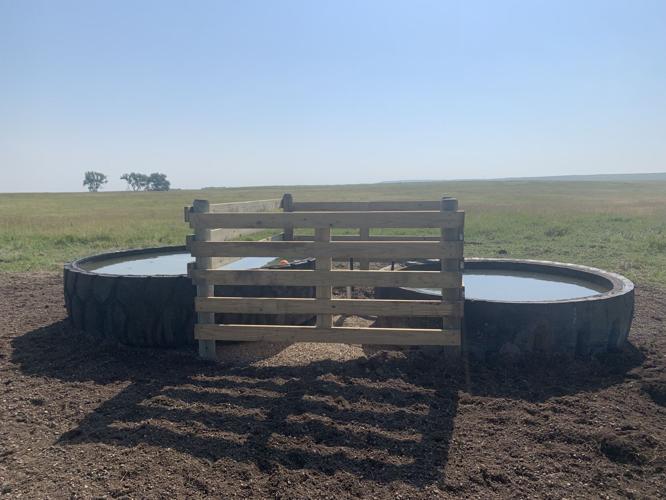
A South Dakota Game Fish and Parks program helped the Mungers install these water tanks in a remote pasture. Having a reliable water source allows the ranch to rotate pastures and graze more effectively, which also improves wildlife habitat.

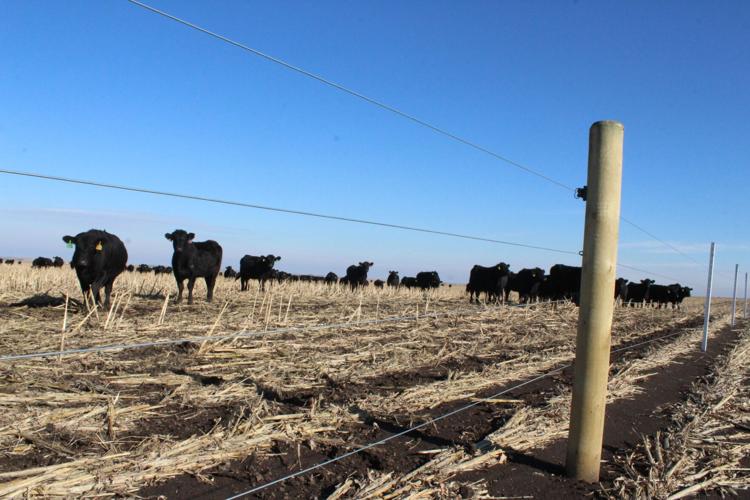
Heifers at Eagle Pass Ranch graze a newly fenced field of milo stubble.
Raised in small town South Dakota, Janelle is enjoying her time as editor of Tri-State Neighbor and Midwest Messenger while raising kids, chickens and no till vegetables in central Sioux Falls. Reach her at janelle.atyeo@lee.net.

Janelle Atyeo
Editor