Scientists estimate that Tabanidae (horse flies) appeared some 160 million years ago.
People are also reading…
Keep this guidance from Drs. Meier and Cammack in mind, and learn more about fly control at ValleyVet.com.

E-edition PLUS unlimited articles & videos

Personalized news alerts with our mobile app

*FREE access to newspapers.com archives

Hundreds of games, puzzles & comics online
*Refers to the latest 2 years of agupdate.com stories. Cancel anytime.



Controlling feedlot flies starts with sanitation. Without that key step, any other mitigation strategies will likely be disappointments. Stable flies breed in mixtures of spilled feed and manure – especially around feeding aprons, under feed bunks, in feed-storage areas and under fences. Any wet or stagnant area with combinations of organic matter, manure and soil can be a potential trouble spot. Removing feed and manure from those areas promptly deprives the flies of potential breeding areas, which in turns helps prevent explosive increases in fly populations.
Stable flies are most active between 10 a.m. and 4 p.m.; after that they seek shaded areas to roost. Eliminating weedy areas around the edges of pens, near feed-storage areas or along the edges of manure-containment facilities reduces the number of “safe spaces” for flies – which should help keep populations in check. The life cycle of a stable fly lasts about two to three weeks, so scraping pens every 14 days reduces opportunities for flies to reproduce. Hoof action also disrupts the life cycle, so keeping pens fully stocked will help to reduce fly numbers – if mud issues can be avoided. – South Dakota State University
South Dakota State UniversityScientists estimate that Tabanidae (horse flies) appeared some 160 million years ago.
Keep this guidance from Drs. Meier and Cammack in mind, and learn more about fly control at ValleyVet.com.
Get local news delivered to your inbox!
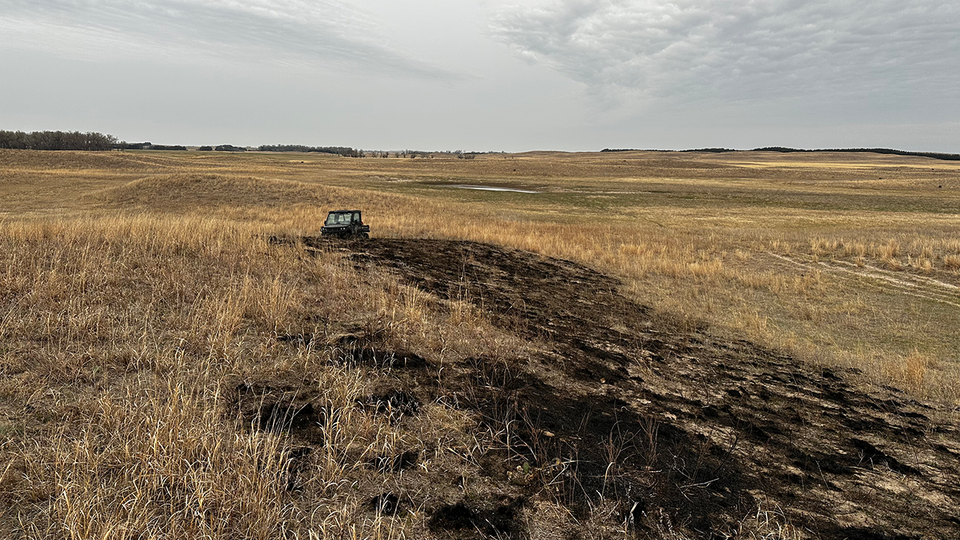
Nebraska Extension will host an informational meeting on range recovery after wildfire Wednesday, Oct. 14, with participants meeting at the Os…
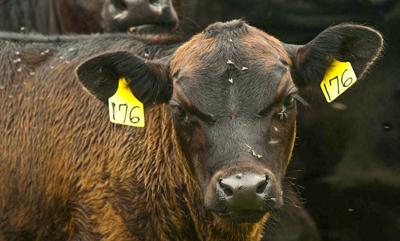
Controlling feedlot flies starts with sanitation. Without that key step, any other mitigation strategies will likely be disappointments. Stable flies breed in mixtures of spilled feed and manure – especially around feeding aprons, under feed bunks, in feed-storage areas and under fences. Any wet or stagnant area with combinations of organic matter, manure and soil can be a potential trouble spot. Removing feed and manure from those areas promptly deprives the flies of potential breeding areas, which in turns helps prevent explosive increases in fly populations.
Stable flies are most active between 10 a.m. and 4 p.m.; after that they seek shaded areas to roost. Eliminating weedy areas around the edges of pens, near feed-storage areas or along the edges of manure-containment facilities reduces the number of “safe spaces” for flies – which should help keep populations in check. The life cycle of a stable fly lasts about two to three weeks, so scraping pens every 14 days reduces opportunities for flies to reproduce. Hoof action also disrupts the life cycle, so keeping pens fully stocked will help to reduce fly numbers – if mud issues can be avoided. – South Dakota State University
Recently Listed


© Copyright 2026 AgUpdate, 707 S 13th Street Tekamah, NE 68061
A Lee Enterprises, Incorporated newspaper. Majority shareholder: David Hoffmann, Hoffmann Media Group.
Get up-to-the-minute news sent straight to your device.