The world is fighting off COVID-19, and rural America is right in the thick of it.
Cases have been rising consistently in the Midwest, with Iowa, Illinois and Missouri seeing major jumps in those affected in recent months. This has led to an overload at hospitals, and for those who live in rural communities, increasingly limited access to in-person options for treatments.
MELROSE, Iowa — The commute to work is a short one for Emma Conway. It’s just down the hall.
The trend toward more and more people working from home offices is not a new one. It has been happening for years. But the COVID-19 pandemic has turned a steady trickle of change into a torrent as large numbers of people are pushed into working from home. And even after COVID is history, many of those people will likely continue to work from home.
When working on a study about how rural communities in northwest Missouri can retain population and attract people to move there, Mallory Rahe noticed some interesting trends.
Working for the University of Missouri’s Small Business Development Center for Agriculture, Food and Forestry, she saw the COVID-19 pandemic had changed the preference of where many people she surveyed wanted to live, with interest rising in rural areas.
Missouri town works through 2020 pandemic challenges
HAMILTON, Mo. — During non-pandemic times, Hamilton’s 12 quilt shops and state quilt museum draw visitors from all over and provide support for the local economy. But this year, the quilt shops have been closed since March due to the coronavirus pandemic, and Bob Hughes, with the Hamilton Chamber of Commerce, says the town of 1,800 in Caldwell County has felt that impact.
“When those are open, that draws over 100,000 tourists a year to Hamilton,” he says. “Hamilton is struggling because we don’t have the tourism revenue we’ve come to depend on.”
Pandemic intensifies challenges for rural students and teachers
WEST FRANKFORT, Ill. — The face of rural education changed dramatically this year when the coronavirus swept across the nation. Educators moved to virtual schooling this spring and continue to transform themselves this fall.
Map of Illinois Rural and Small Schools
Map courtesy Association of Illinois Rural and Small Schools
“Schools are honestly in triage mode still today,” said David Ardrey of the Illinois Rural and Small Schools Association.
There is no enrollment size criteria or other metric required for Rural Schools Advocates of Iowa membership. If a district supports its mission and wants to join, it is welcome.
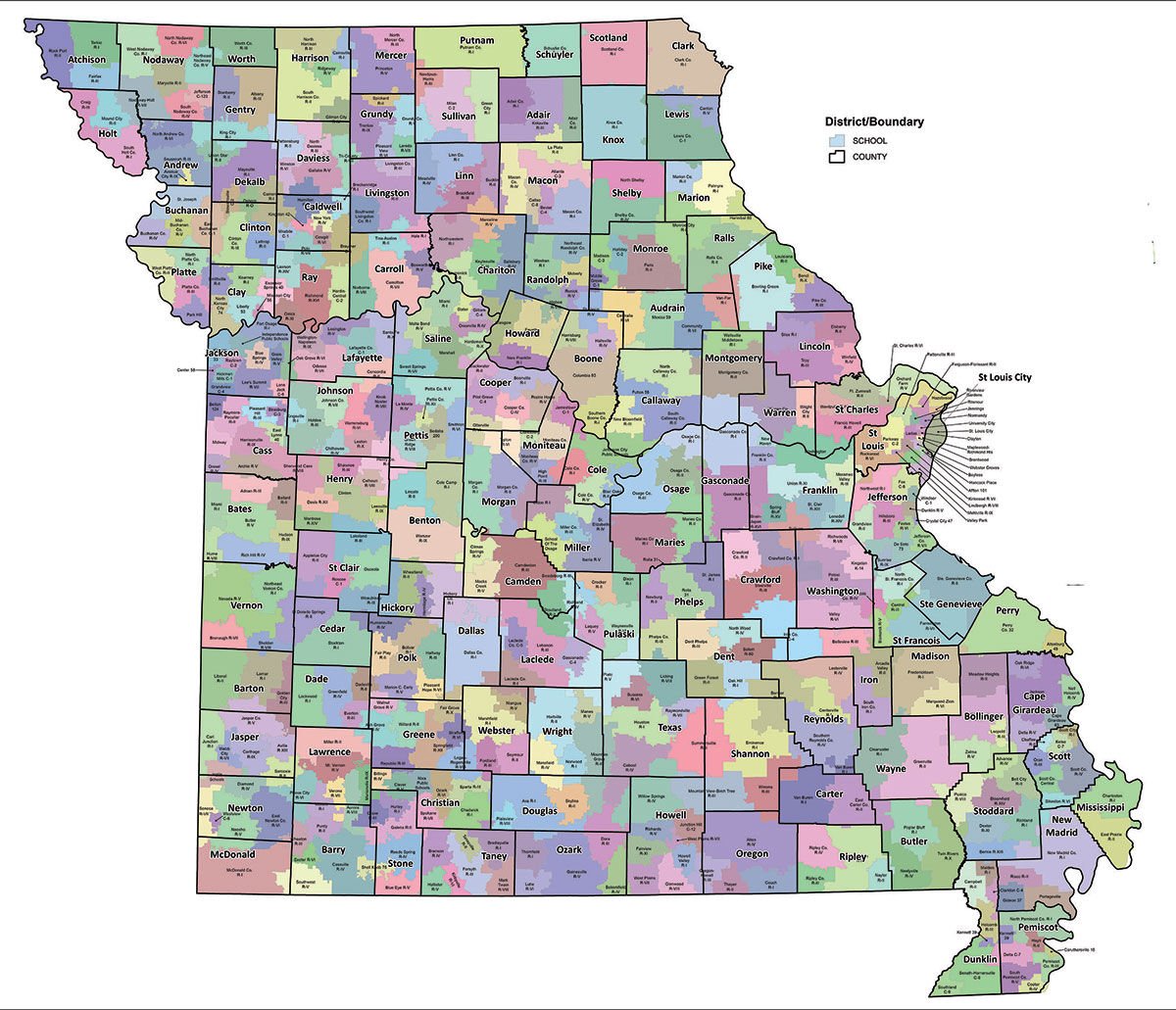
2020-21 Missouri School Districts – The Missouri Association of Rural Education has no exact definition of what it means to be a rural school, but most have some busing and have FFA and agricultural education.
HARLAN, Iowa — It’s a typical weekday morning in this county seat town. Vehicles partially fill the town square that surrounds the majestic Shelby County Courthouse as people walk into shops and restaurants.
It’s a day like any other, except for one very noticeable difference — people are wearing masks.
Rural areas face increasing challenges in attracting and maintaining economic development. Small communities still have workable economies, but much depends on proximity to more populated centers of commerce, according to Peter Orazem.
“The weight of economic activity since 2000 is centered on metropolitan areas,” said Orazem, a professor of economics at Iowa State University. “Growth is in the large urban areas. The rate of decline has been greatest in the smallest towns. That is a reversal of what was happening in the ’80s and ’90s, when small towns were able to attract firms.”
Illinois rural community outlasts industry that built it
ZEIGLER, Ill. — This is the prototypical company town. Chicago industrialist Levi Zeigler Leiter and his son, Joseph, purchased 8,000 acres of land in western Franklin County in the early 1900s and immediately began work on sinking a mine to tap the region’s extensive coal reserves. That was the birth of the Zeigler Coal Company, along with the community, which was literally built to house workers.
Zeigler Coal has long closed its doors, and the coal industry in southern Illinois is a shadow of what it was in its heyday, when dozens of mines dotted the countryside. But the community hangs on, though the storefronts are largely empty and the streets uncrowded.
Brent Verschueren opened his restaurant seven years ago and so far has done well in a community that has steadily lost population and businesses over the years.
Rural Development chief sees record investments in 2020
Doug Wilson, Illinois state director of USDA Rural Development, knows firsthand about the needs of farmers and rural America. He lives in north-central Illinois, where he produces corn and soybeans on the family farm. He is a lifetime resident of the state.
Before coming to the USDA more than 10 years ago, Wilson was involved with commodity organizations including the National Corn Growers and U.S. Grains Council.