





Scientists at the University of California Davis recently developed wheat plants that stimulate the production of their own fertilizer, opening the path toward less air and water pollution worldwide and lesser costs for farmers.
Wheat makes own fertilizer
1 of 2
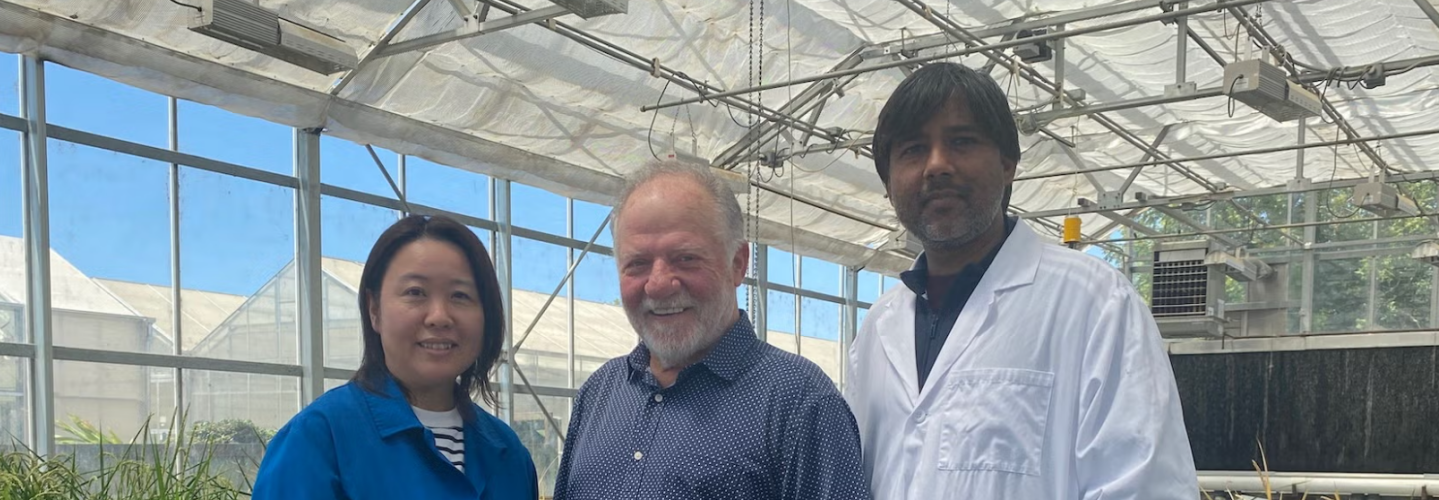
Eduardo Blumwald, center, is a distinguished professor in the University of California Davis department of plant sciences. He stands in a greenhouse surrounded by rice plants with lab members Hiromi Tajima, left, and Akhilesh Yadav. They have been working to develop wheat and rice that can stimulate bacteria in the soil to produce nitrogen the plants can use for fertilizer. Here, rice grows in their greenhouse on campus.
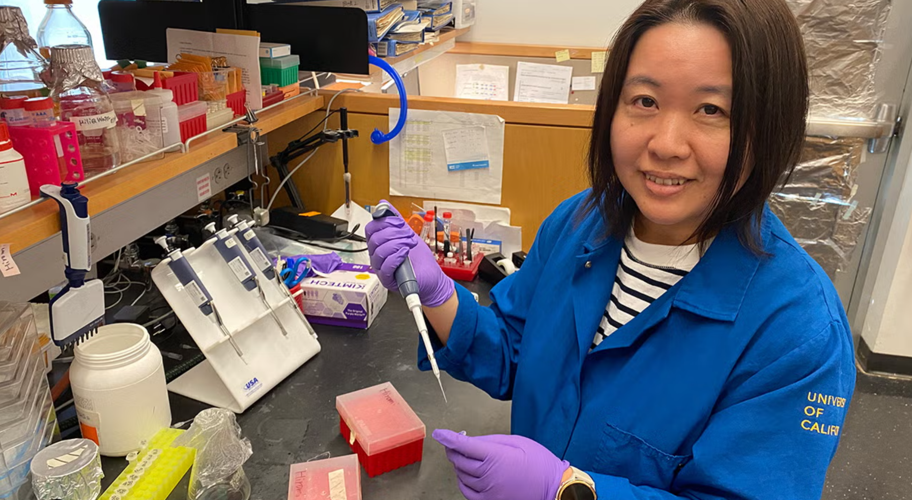
Hiromi Tajima, a staff scientist in the lab of Eduardo Blumwald, measures the number of nitrogen-fixing bacteria in samples of soil in which the team has grown a new kind of wheat. Tajima is first author on a paper the lab’s team recently published about developing wheat that stimulates production of its own fertilizer.
Most Popular

As the school year ends and children spend more time around the farm during summer, a Kansas State University safety expert is encouraging fam…

May in far-northern Wisconsin was damp and cool. Many mornings the air over land along Lake Superior almost invited Jack Frost for a late visi…

Tar spot has become one of the most concerning foliar diseases impacting corn silage production across Iowa and the Midwest. The disease, caus…

All of Greg Thoren's cows are technically identified by the number on their ear tag. But when he drives around his pastures checking in on his…

Over the past couple of weeks, many soybean fields have experienced challenging conditions from soil crusting shortly after planting to more r…