Corn Research Area Committee
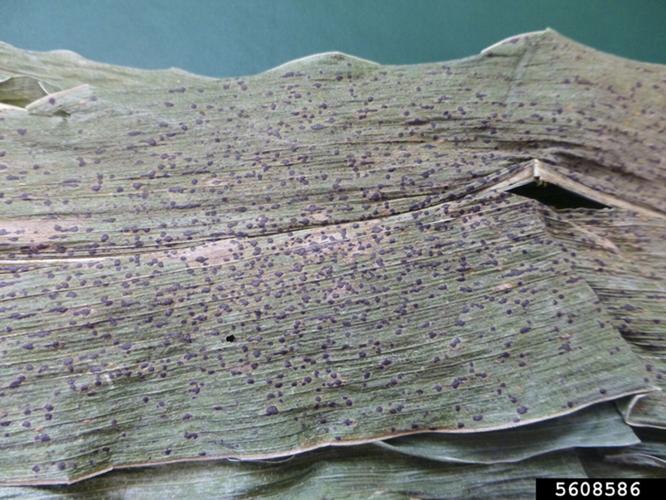
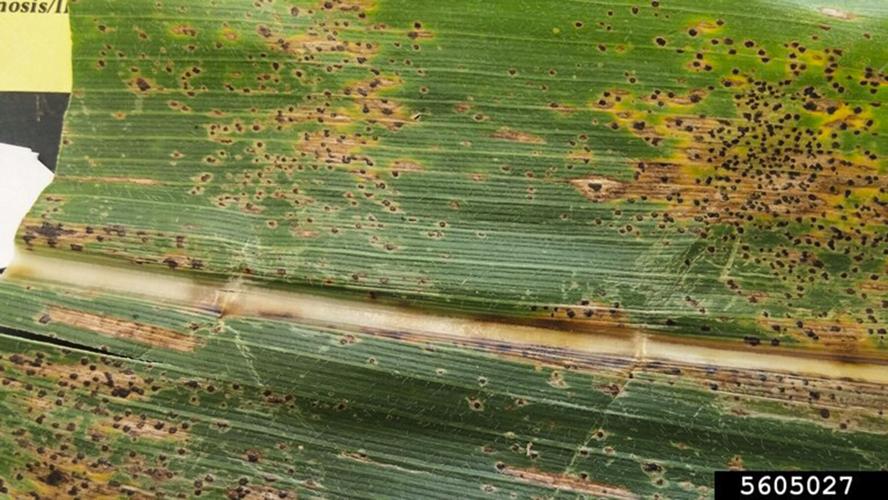
The Corn Research Area Committee established the following objectives for its 2021-2022 research efforts for the National Predictive Modeling Tool Initiative.
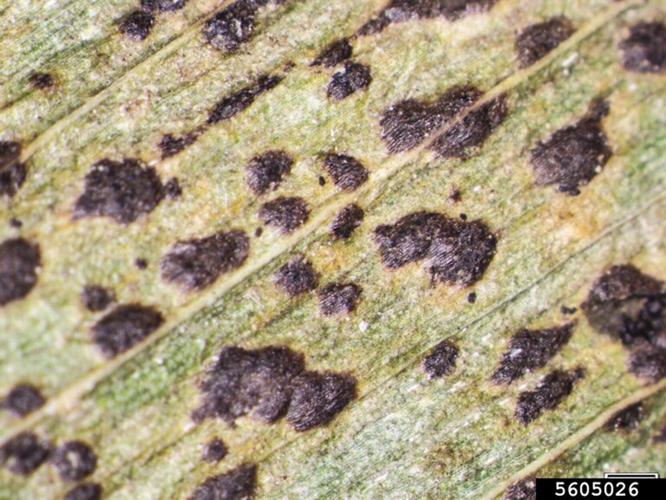
Objective 1. To establish the associations among inoculum intensity, disease development and weather in small plot trials for assessment of gray leaf spot, northern corn leaf blight, tar spot and Gibberella ear rot.
Objective 2. To establish the associations among initial inoculum, disease development and weather in commercial corn fields for assessment of gray leaf spot and northern corn leaf blight.
The following researchers will be participating.
• Tom Allen, Mississippi State University
• Kaitlyn Bissonnette, University of Missouri
• Mark Busman, USDA-ARS at Peoria, Illinois
• Martin Chilvers, Michigan State University
• Pierce Paul, Ohio State University
• Paul “Trey” Price, Louisiana State University
• Alison Robertson, Iowa State University
• Damon Smith, University of Wisconsin
• Darcy Telenko, Purdue University
• Kiersten Wise, University of Kentucky
Visit agpmt.org/5-year-action-plan/corn-disease-management/ and agpmt.org/wp-content/uploads/2021/09/Corn-SOW.pdf for more information.
Wheat Research Area Committee
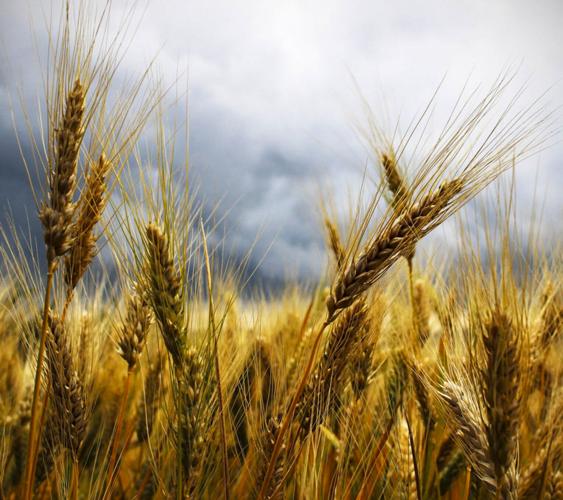
The Wheat Research Area Committee established the following objectives for its 2021-2022 research efforts for the National Predictive Modeling Tool Initiative.
Objective 1. To develop a database of historical disease epidemics in the United States that will serve as a foundation for the modeling effort of cereal rust and leaf blotch epidemics at the state and regional levels.
Objective 2a. To quantify associations among pathogen-inoculum density, disease development and weather variables in small plot trials, initially focused on Parastagonospora nodorum, the causal agent of Septoria nodorum blotch.
Objective 2b. To quantify associations among airborne inoculum concentration on onset, development and spread of leaf, stripe and stem rust in small plot trials.
Objective 3. To quantify associations among pathogen inoculum, disease development and weather variables in commercial fields, focused on the cereal rust and wheat blotch complexes of disease.
The following researchers will be participating.
• Kelsey Anderson, Kansas State University
• Mary Burrows, Montana State University
• Emmanuel Byamukama, South Dakota State University
• Erick DeWolf, Kansas State University
• Cecilia Monclova, Texas A&M University
• Tim Murray, Washington State University
• Pierce Paul, Ohio State University
• Uta Stuhr, Montana State University
• Jake Westlin, National Association of Wheat Growers
Visit agpmt.org/5-year-action-plan/wheat-disease-management/ and agpmt.org/wp-content/uploads/2021/09/Wheat-SOW.pdf for more information.
Cotton Research Area Committee
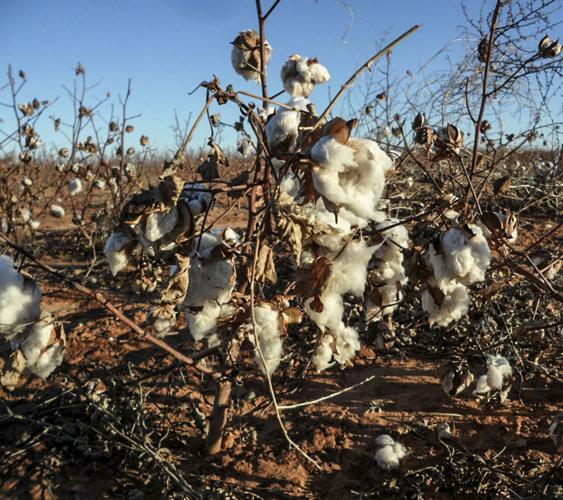
The Cotton Research Area Committee established the following objectives for its 2021-2022 research efforts as part of the National Predictive Modeling Tool Initiative.
Objective 1. To create DNA-detection tools for cotton pathogens that can be multiplexed and deployed in air-sampling systems.
Objective 2. To monitor commercial fields with active and passive sampling of airborne spores to build and validate pathogen models.
Objective 3. To monitor commercial fields with passive sampling of airborne spores near four sentinel plots to validate models and demonstrate the utility of pathogen sampling.
Objective 4. To conduct seed-treatment trials to relate soil-borne pathogens, environmental conditions and seed-treatment pesticides to cotton-stand establishment.
Objective 5. To create cotton-epidemiology models for target spot, Ramularia, and seedling disease to predict disease progression, crop impact and pathogen load.
The following researchers will be participating.
• Akhtar Ali, University of Tulsa
• Tom Allen, Mississippi State University
• Kaitlyn Bissonnette, University of Missouri
• Kater Hake, Cotton Inc.
• Heather Kelly, University of Tennessee
• Bob Kemerait, University of Georgia
• Kathy Lawrence, Auburn University
• Cecilia Monclova, Texas A&M University
• John Mueller, Clemson University
• Paul “Trey” Price, Louisiana State University
• Ian Small, University of Florida
• Terry Spurlock, University of Arkansas
Visit agpmt.org/5-year-action-plan/cotton-disease-management/ and agpmt.org/wp-content/uploads/2021/09/Cotton-SOW.pdf for more information.