





Where are they now? We check back in
From the Homeless in Madison | A City Challenged series
During the course of this nine-month reporting project, many homeless people allowed the State Journal to follow them as they attempted to get off the streets. Their willingness to share intimate personal details during a vulnerable and often chaotic time in their lives offered invaluable insight. Today, we check back in with some of them for a final update.
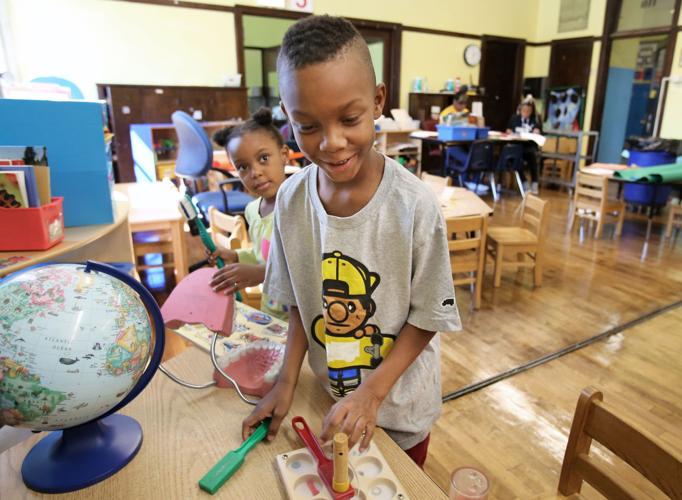
Watson, 6, was profiled as one of 1,500 homeless students in the Madison School District last year. He spent five months in kindergarten at Hawthorne Elementary before he and his mother, Alicia Turner, returned to Chicago on April 1 due to Turner’s inability to find housing in Madison.
She and her three children are still homeless, she said. K’won has a 4-year-old sister and a 9-month-old brother, and Turner said she is five months pregnant. The family has found temporary shelter by doubling up for short stays with friends, she said. She is unemployed but taking classes in hopes of becoming a child care worker. Her barriers to finding housing include a prior eviction.
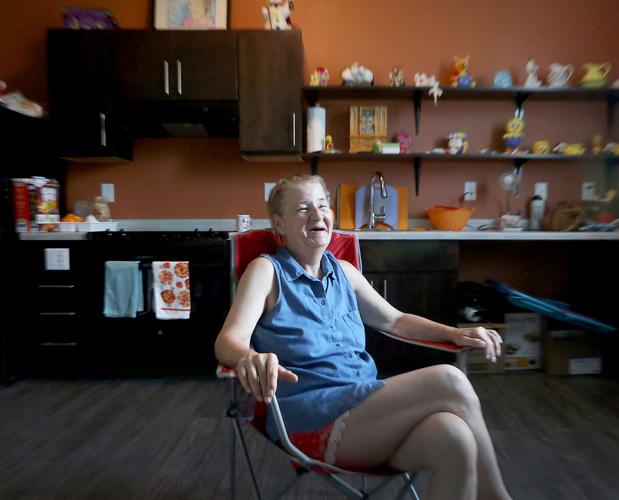
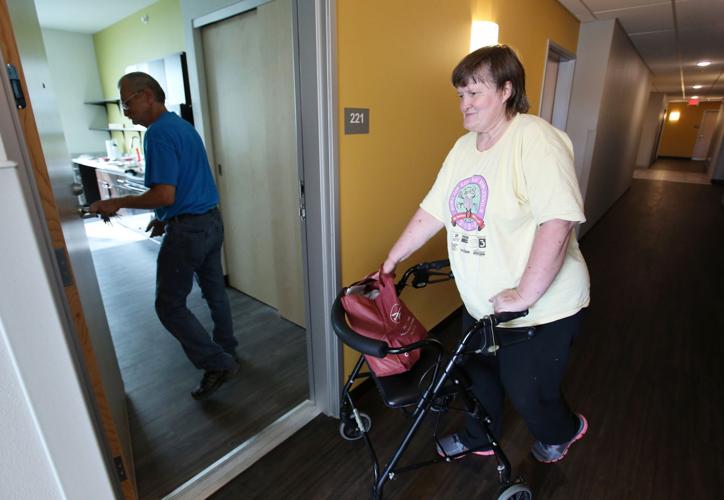
Marten, 59, spent 18 months homeless, even though she was working more than 50 hours a week at two part-time jobs. On Aug. 19, she moved into an efficiency apartment at Rethke Terrace, the new 60-unit building for homeless people developed with federal tax credits and city and county money. She pays a flat rate of $383 a month.
“It’s mine, and that’s all that matters,” said Marten, adding that she “laughed, danced and sang” when she got the news.
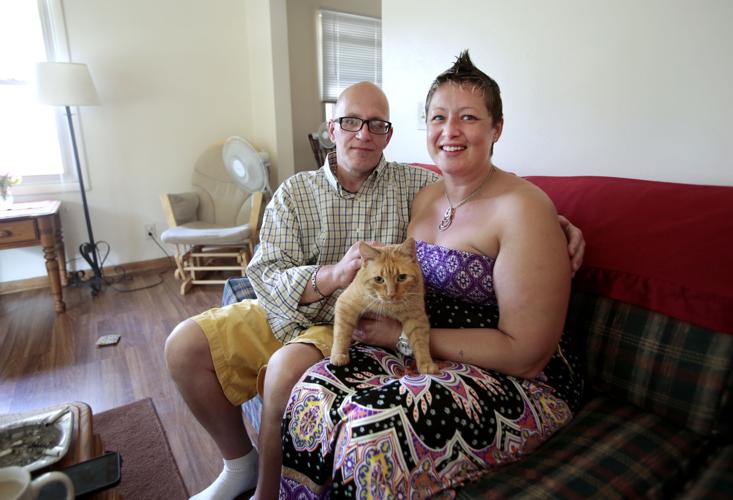
Prisk, 45, and Mackesey, 39, lost their housing around the end of 2015 and lived in a tent in the urban woods from January into August. During those seven months in frigid cold and stifling heat, Will Brewer, a street outreach worker for Porchlight Inc., helped with supplies and had the couple complete an application to get on a prioritized list for housing. Their beloved cat, Weasie, left and never returned.
Mackesey, who has multiple sclerosis, suffered health setbacks while outside, and the couple moved up on the community’s waiting list.
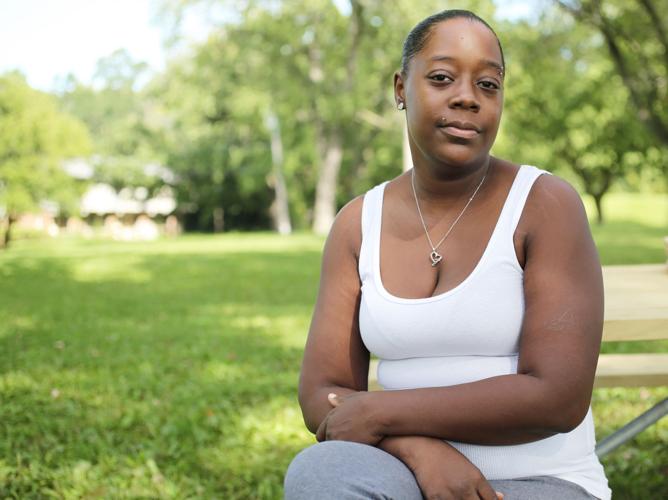
Rimmer, 34, and the eight children in her care — six her own, plus two nephews — were featured in July in an article about homeless families staying in local motels. Two of Rimmer’s sisters also were homeless, for a total of 11 people in one hotel room.
After the article ran, the Boys & Girls Club of Dane County, through its short-term emergency assistance fund, bought food for the family and paid Rimmer’s hotel costs for one week. The organization hired Rimmer’s oldest son, a junior at East High School, for a seasonal job to help the family’s finances. The boy will continue to work at the club part time during the school year, with the condition that he remain in school, said Michael Johnson, president and CEO. The Mah Sole for Kids Foundation heard about Rimmer’s story and provided new shoes for all of her children.
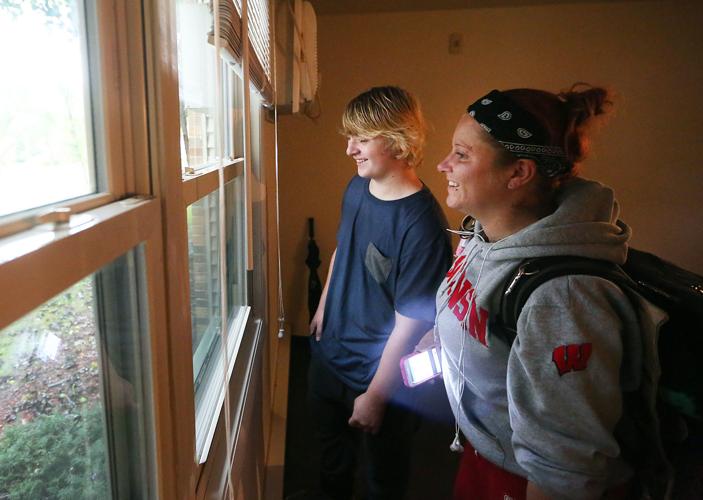
Sylvers, 33, and her son Taylor, 14, became homeless in October 2014 and, after again running out of nights at the Salvation Army emergency shelter for women and children in the spring, they slept on benches on Library Mall.
Sylvers continued to work with a case worker at the Salvation Army, got connected to The Road Home, and on Wednesday, she and Taylor moved into a two-bedroom apartment run by the Meridian Group on the Southwest Side. Sylvers now has a job working large events with RTM Security and will pay 30 percent of her income for rent. Taylor has started his sophomore year at Middleton High School.
- DOUG ERICKSON and DEAN MOSIMAN | Wisconsin State Journal
After Roy, 61, lost his job, the Jacobses lived from their 1983 Chevy van on East Side streets from June 2015 until late this summer. As a couple without dependent children, they weren’t eligible to go to emergency shelter together and placed low on the community’s prioritized list for housing.
More like this...
Watson, 6, was profiled as one of 1,500 homeless students in the Madison School District last year. He spent five months in kindergarten at Hawthorne Elementary before he and his mother, Alicia Turner, returned to Chicago on April 1 due to Turner’s inability to find housing in Madison.
She and her three children are still homeless, she said. K’won has a 4-year-old sister and a 9-month-old brother, and Turner said she is five months pregnant. The family has found temporary shelter by doubling up for short stays with friends, she said. She is unemployed but taking classes in hopes of becoming a child care worker. Her barriers to finding housing include a prior eviction.
Marten, 59, spent 18 months homeless, even though she was working more than 50 hours a week at two part-time jobs. On Aug. 19, she moved into an efficiency apartment at Rethke Terrace, the new 60-unit building for homeless people developed with federal tax credits and city and county money. She pays a flat rate of $383 a month.
“It’s mine, and that’s all that matters,” said Marten, adding that she “laughed, danced and sang” when she got the news.
Prisk, 45, and Mackesey, 39, lost their housing around the end of 2015 and lived in a tent in the urban woods from January into August. During those seven months in frigid cold and stifling heat, Will Brewer, a street outreach worker for Porchlight Inc., helped with supplies and had the couple complete an application to get on a prioritized list for housing. Their beloved cat, Weasie, left and never returned.
Mackesey, who has multiple sclerosis, suffered health setbacks while outside, and the couple moved up on the community’s waiting list.
Rimmer, 34, and the eight children in her care — six her own, plus two nephews — were featured in July in an article about homeless families staying in local motels. Two of Rimmer’s sisters also were homeless, for a total of 11 people in one hotel room.
After the article ran, the Boys & Girls Club of Dane County, through its short-term emergency assistance fund, bought food for the family and paid Rimmer’s hotel costs for one week. The organization hired Rimmer’s oldest son, a junior at East High School, for a seasonal job to help the family’s finances. The boy will continue to work at the club part time during the school year, with the condition that he remain in school, said Michael Johnson, president and CEO. The Mah Sole for Kids Foundation heard about Rimmer’s story and provided new shoes for all of her children.
Sylvers, 33, and her son Taylor, 14, became homeless in October 2014 and, after again running out of nights at the Salvation Army emergency shelter for women and children in the spring, they slept on benches on Library Mall.
Sylvers continued to work with a case worker at the Salvation Army, got connected to The Road Home, and on Wednesday, she and Taylor moved into a two-bedroom apartment run by the Meridian Group on the Southwest Side. Sylvers now has a job working large events with RTM Security and will pay 30 percent of her income for rent. Taylor has started his sophomore year at Middleton High School.
- DOUG ERICKSON and DEAN MOSIMAN | Wisconsin State Journal
After Roy, 61, lost his job, the Jacobses lived from their 1983 Chevy van on East Side streets from June 2015 until late this summer. As a couple without dependent children, they weren’t eligible to go to emergency shelter together and placed low on the community’s prioritized list for housing.
More like this...
In this Series
As featured on

With attention to the problem growing, there are signs of momentum to address the glaring gaps that leave the state's most vulnerable homeless.

A Wisconsin State Journal special report in 2016 that explored the root causes of homelessne…
Recommended
Print Ads


