




With recent rains adding moisture across parts of the Corn Belt, growers may be trying to determine how early to get those combines rolling.
Brent Tharp, Product Manager with Wyffels Hybrids, said that as of late September much of the corn crop has reached black layer or is well past the halfway point of the milk line, meaning yield potential is largely established. However, continued wet conditions could create new concerns for crop quality, including stalk rot, ear molds, and other fungal issues.
“Mother nature can be cruel to us, and we don’t add yield once black layer is made,” Tharp said. “There is no more adding yield. It’s all subtraction.”
For growers considering an earlier start to harvest, Wyffels has two online agronomy tools designed to provide additional information for making those decisions.
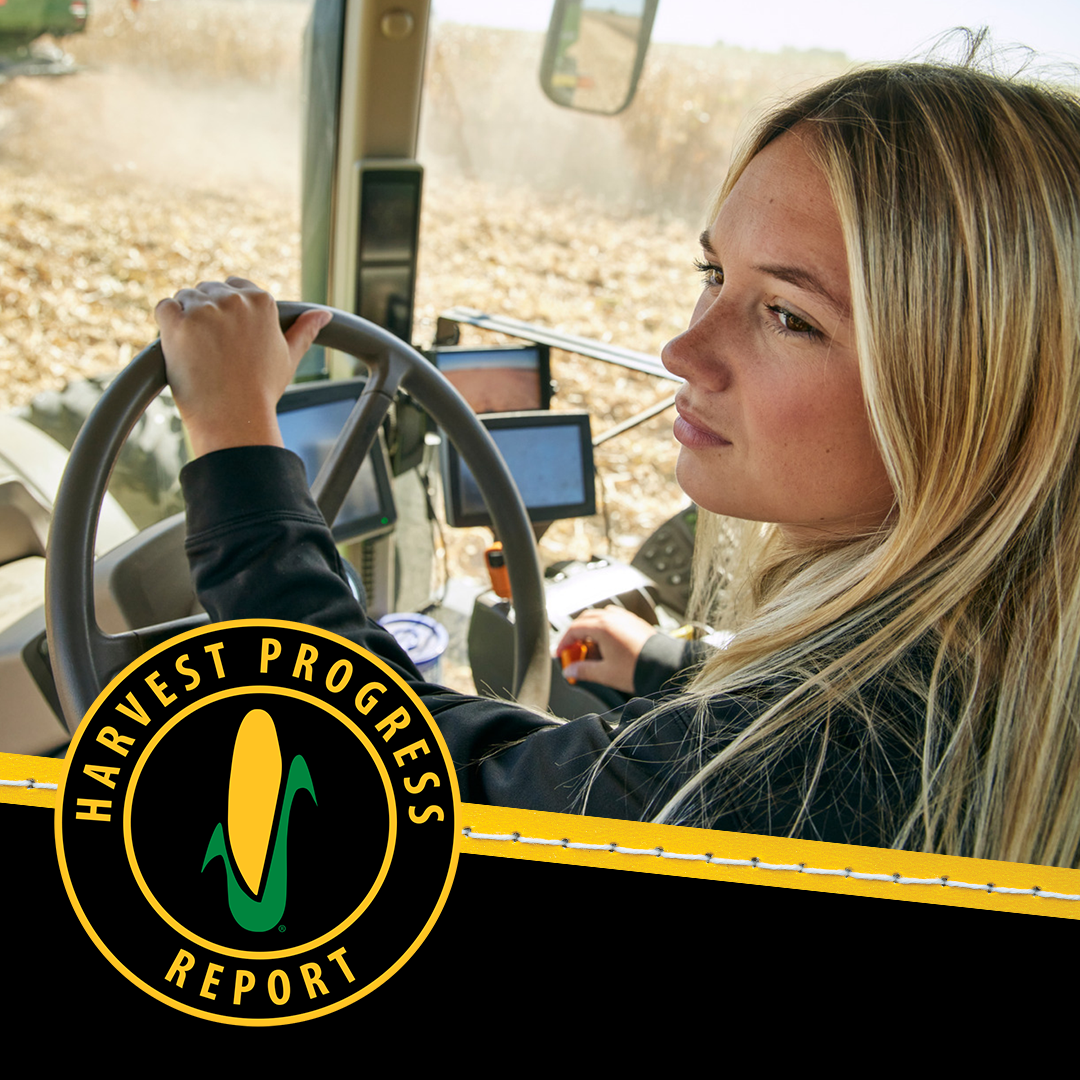
The company’s Harvest Progress Report is a resource that allows growers to submit their location, percentage of harvest completed and expected yield range. The information provides a snapshot of harvest activity across the Central Corn Belt and gives growers a look at what is happening in nearby areas.
The Grain Drying Calculator helps growers evaluate the economics of harvesting earlier. Growers can enter different harvest dates and moisture levels, along with expected yields, grain prices and their own drying costs. The calculator then compares the potential value of harvesting earlier versus waiting for the crop to dry in the field.
“That calculation could become particularly useful in a wet fall,” Tharp said.
“It may be more economical to begin harvest earlier and dry the grain rather than leave the crop in the field longer, where it is exposed to potential weather-related losses,” he said.
The calculator also accounts for potential harvest losses associated with allowing corn to dry further in the field. Tharp said, “Wyffels research throughout the Central Corn Belt has indicated losses of roughly two bushels per point of moisture loss as corn dries, due in part to head shatter and ears dropping.”
Beyond harvest tools, Wyffels provides an expanded hybrid lineup. The company introduced 16 new hybrids last winter, ranging from 95- to 117-day maturities. The lineup includes hybrids with above- and below-ground protection, above-ground-only protection and three new non-GMO hybrids.
As harvest approaches, Tharp also encouraged growers to take field notes while running the combine, recording what they like and dislike about individual hybrids.
As growers stare down long hours in their combines, Tharp recommends checking out Wyffels’ “Keeping It Independent” podcast, hosted by Eric Wilson. The show hosts agronomists from around the Central Corn Belt discussing current field conditions and topics such as stalk and ear rot.
Contact a local Wyffels representative with any questions.