

Soil stores more carbon than Earth’s atmosphere and plants combined, which makes the speed of soil carbon’s decomposition an important variable in models used to predict changes to the climate.
People are also reading…

Chaoqun Lu

E-edition PLUS unlimited articles & videos

Personalized news alerts with our mobile app

*FREE access to newspapers.com archives

Hundreds of games, puzzles & comics online
*Refers to the latest 2 years of agupdate.com stories. Cancel anytime.
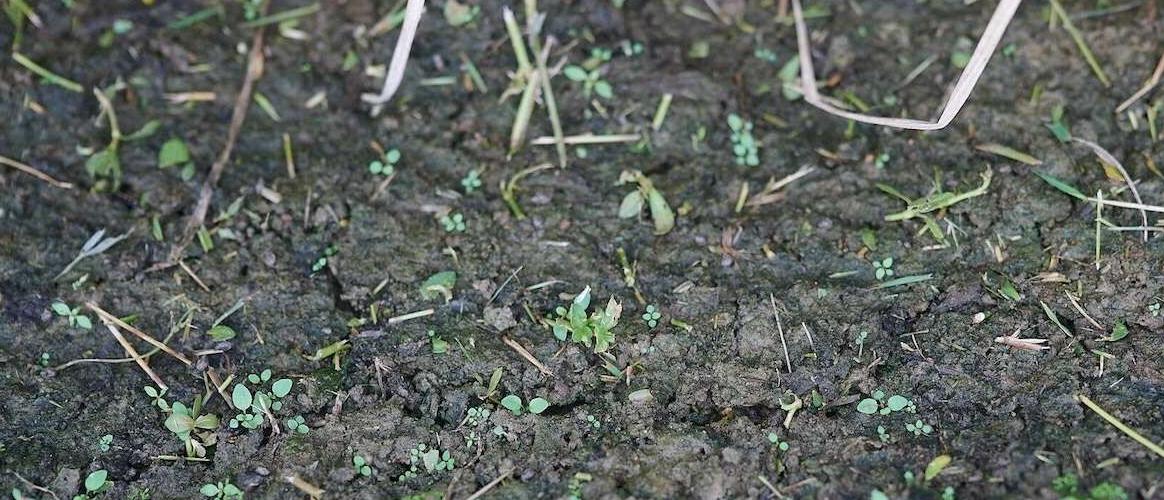
Organic carbon decomposition in soil varies significantly and in regional patterns, driven in part by factors such as soil minerals and microbial properties that have been underrepresented in carbon modeling that helps inform climate projections, according to a new research led by Iowa State University ecologists.
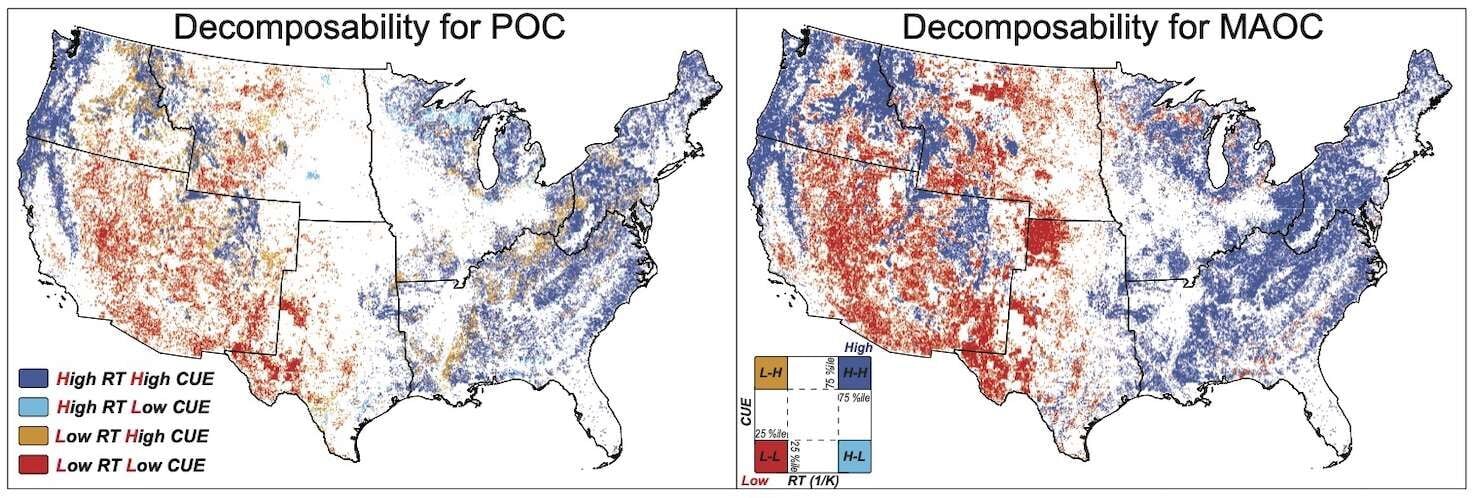
Spatial patterns of decomposability for soil particulate organic carbon and mineral-associated organic carbon across the contiguous United States are displayed at a resolution representing squares about 2.5 miles per side. The criteria for low and high residence time and carbon use efficiency for POC and MAOC are set to the 25th and 75th percentile of all grid values. White areas represent regions falling within the interquartile range -- 25th to 75th percentile -- for carbon residence time or carbon use efficiency, indicating moderate decomposability.
Soil stores more carbon than Earth’s atmosphere and plants combined, which makes the speed of soil carbon’s decomposition an important variable in models used to predict changes to the climate.
Chaoqun Lu
Get local news delivered to your inbox!

Some things are easy to start but difficult to control and difficult to end. Arguments, wars and wildfires are among them. And while few of us…

LUCK, Wis. – There was a time when folks came together all across the land. They helped thresh each other’s grain. They raised barns. Get-toge…

A train of heavy equipment slowly worked its way across 8.6 miles of a northeast Iowa county road this past summer.

As outdoor temperatures begin to warm, the potential for grain storage problems increases.

BAYFIELD, Wis. – We often hear stories of adventurers in earlier times who overcame overwhelming odds to accomplish amazing things. Their succ…
Organic carbon decomposition in soil varies significantly and in regional patterns, driven in part by factors such as soil minerals and microbial properties that have been underrepresented in carbon modeling that helps inform climate projections, according to a new research led by Iowa State University ecologists.
Spatial patterns of decomposability for soil particulate organic carbon and mineral-associated organic carbon across the contiguous United States are displayed at a resolution representing squares about 2.5 miles per side. The criteria for low and high residence time and carbon use efficiency for POC and MAOC are set to the 25th and 75th percentile of all grid values. White areas represent regions falling within the interquartile range -- 25th to 75th percentile -- for carbon residence time or carbon use efficiency, indicating moderate decomposability.
Get up-to-the-minute news sent straight to your device.