




At 76, Dan Leo brings lots of background, experience and commitment to the beef industry. His understanding of heterosis is well founded and dates back to his youth, growing up in Iowa where he was surrounded by many purebred seedstock livestock operations. Many of them have now gone by the wayside as changes came about.
In contrast, two neighboring firms, both within only 30 miles, Pioneer Seed Corn and Hyline International, the world’s largest poultry genetics source today, have since dominated the seed corn and poultry industries through heterosis and systematic crossbreeding.
In his early years, back in the early 70s after moving to Nebraska, Leo bred purebred Herefords, a breed that dominated the landscape during that era. Understanding the value of outcross genetics, he searched out and brought the “first” Line 1s to Nebraska.
The popular progeny were sold in the “first” yearling Hereford bull sale ever held in the state.
As times dictated changes, so did Leo’s direction in breeding cattle as his full commitment to heterosis was 100% in the years following at the family’s APEX Cattle operation located near Dannebrog, Nebraska.
In the early 80s, Leo dispersed his Herefords and has never looked back. Searching out the best genetics of various breed combinations has led him to be fully committed to SimAngus cattle.
Over the course of time, he has never wavered on his commitment to quality, structure, performance, temperament, and strong maternal traits.
“We’ve been blessed to have dominated the coveted Midland Bull Test performance and sire groups, shown multiple Denver pen bull champions plus national bull and female champions. Common to all these achievements was cattle that benefitted from heterosis and fine-tuned matings,” Leo recalled.
But that was yesterday. Leo consistently has his sights set on the future.
Today, heterosis predictability is well proven and driven by DNA.
“Every herd sire, all females and their progeny have genomically enhanced EPDs and are parentage verified. With complete confidence, it permits us to make the precise breeding decisions, and our customers to be fully informed of the genetic potential of the bulls and females they purchase,” Leo said.
The contributing value of heterosis is well documented today by decades of research at the Meat Animal Research Center in Clay Center, Nebraska, along with various universities.
“They’ve proven that added efficiency gained contributes significantly to increased profitability, performance and better producing females that last longer than their straight breed counterparts,” Leo stated.
Their next APEX Cattle annual Heterosis Headquarters sale will be Jan. 29, 2024 when 170 bulls, 100 bred heifers and 25 fall pairs will be sold. APEX cattle sold at the annual sale generally reach 15 to 18 states.
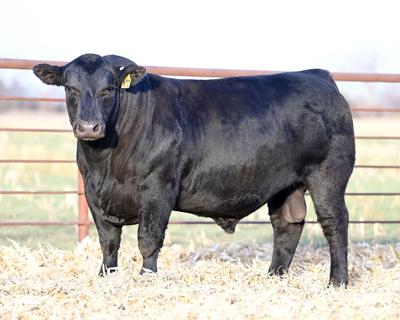
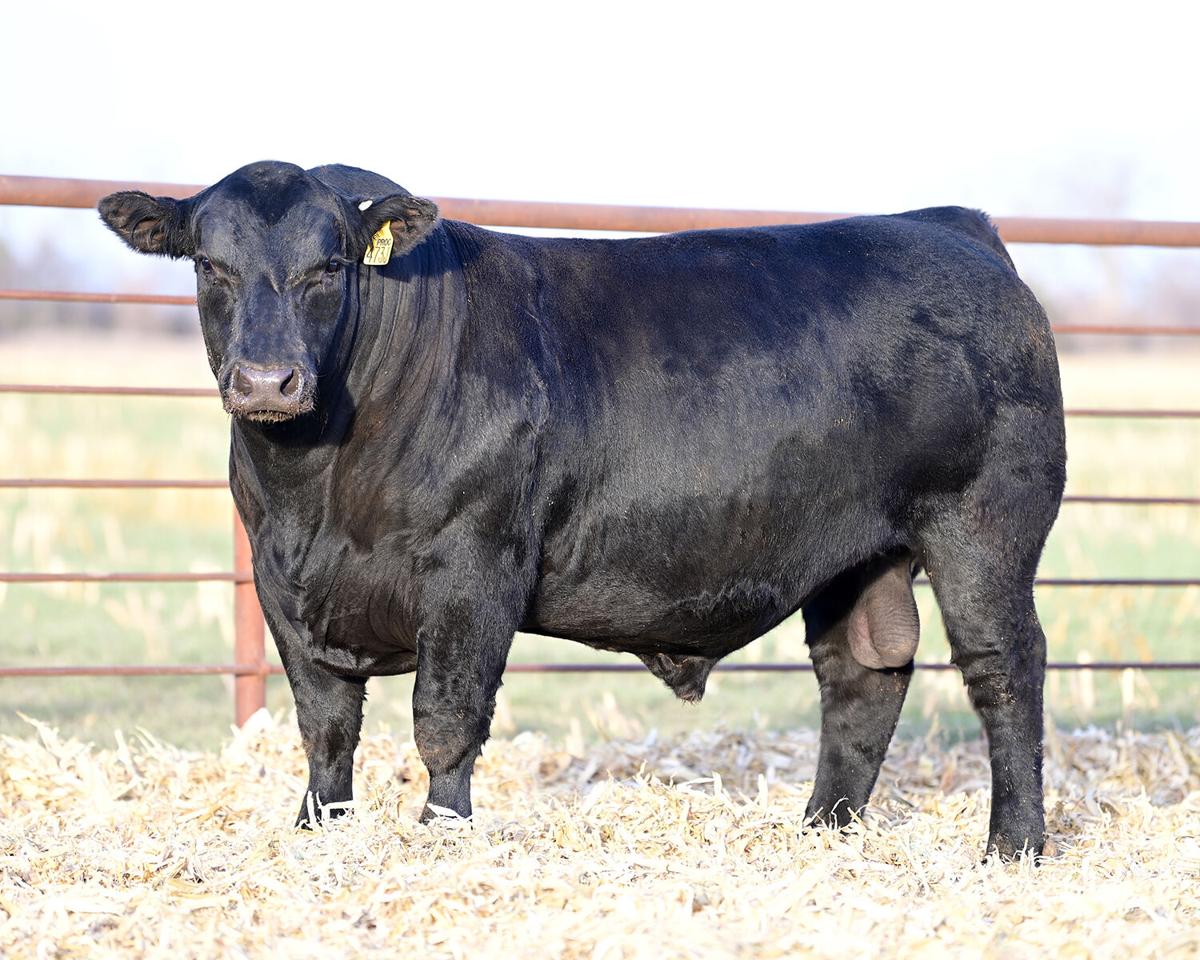
Bull offering includes 110 age advantaged bulls plus 60 new generation yearlings. Progeny by the breed’s number one sire, based on total progeny registered, namely Proclamation (owned by APEX) plus other multi-trait leaders ranking in the elite top 1-5% EPDs highlight the offering. Adding more buyer confidence, all 500 females’ breed average All Purpose Index (API) ranking is in the elite top 15% adding further genetic value.
“The vast majority of our bull buyers have Angus cowherds, and they realize the many advantages that heterosis contributes with the use of our SimAngus bulls. Heterosis is free. It is gained by making the ‘right’ genetic decision,” Leo said.
Leo shared a bit of history of single breeding versus crossbreeding. Until the late 80s, purebred swine breeders, representing numerous breeds dominated the pork landscape. In 1984, crossbreeding changed that industry forever because of what the packing industry demanded. Today, purebred swine breeders are somewhat of a novelty in a business that is propelled by heterosis, crossbreeding and genomic utilization. Imagine where we would be today without hybrid seed corn, soybeans, wheat, forages, hogs or poultry and the extraordinary progress made through genomic progress.
Heterosis is a common profit driver to everything in agriculture!
In comparison, the beef industry has been the slowest to adapt to the benefits of heterosis. Leo believes much of this can be attributed to tradition and to the British breed association’s desire to survive without endorsing crossbreeding.
“At APEX Cattle, we breed cattle that have true heterosis, combining the best of the complimentary Simmental and Angus breeds to enable more predictability, profitability, and sustainability for us and our customers. If, and when, the beef industry pivots largely to more composite genetics driven by heterosis and increased profit opportunity, is anyone’s opinion. The fact is, between 1974 and 1984, the swine industry changed forever, going from 650,000 operations to less than 50,000 today. Like it or not, our beef cattle industry will be similarly challenged if we do not actively implement heterosis into our breed planning,” he projected.
Leo recognizes that he could not do it alone and realizes that good help is necessary and most appreciated. At his age, he still AI's most all females himself, except for larger synchronized groups of heifers and cows.
He does the night checks and enjoys the marketing aspects plus summer haying projects. His experienced foreman Jody Hazen is instrumental in running the day-to-day operation. Hazen and his wife Roberta have even purchased a group of APEX females with a goal to carry the operation and its solid reputation into the future.
He also relies on Jacob Yoder, a local Amish teenager for feeding, haying and maintenance along with other talented day workers for larger cattle projects.
Leo credits his wife, Shirley, for her unwavering support over the 56 years of their marriage. They are devoted to Christianity, the cattle business, and trying their best to do what is right along this path of life.
Find out more about how this dedicated operation can boost your bottom-line profitability at APEXCattle.com or call 308-750-0200.