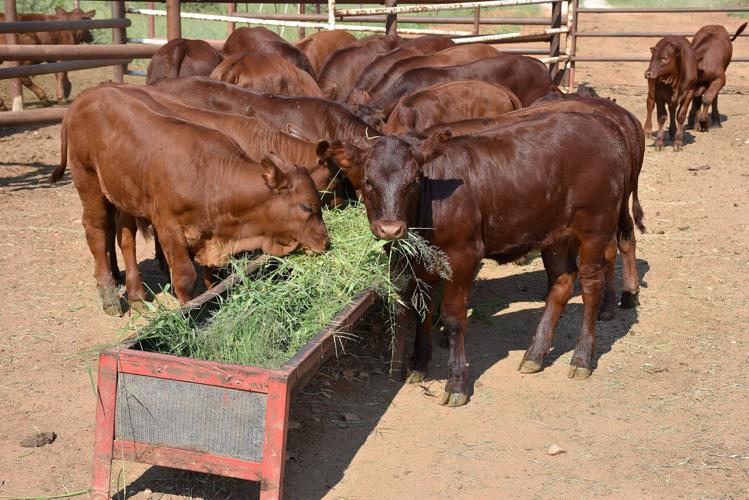
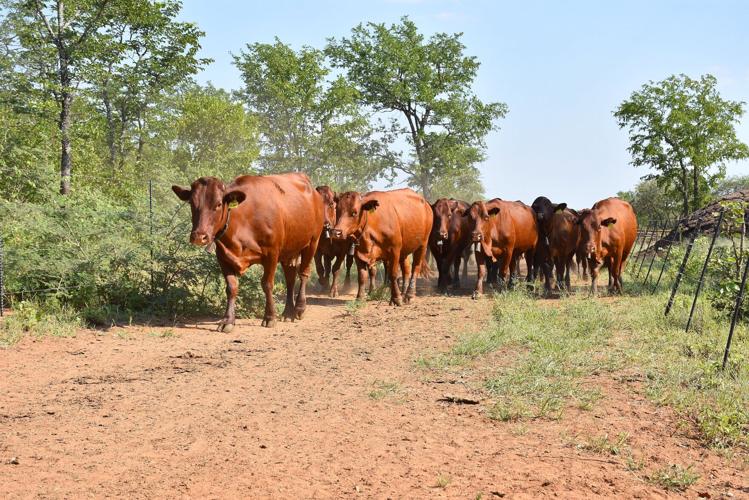
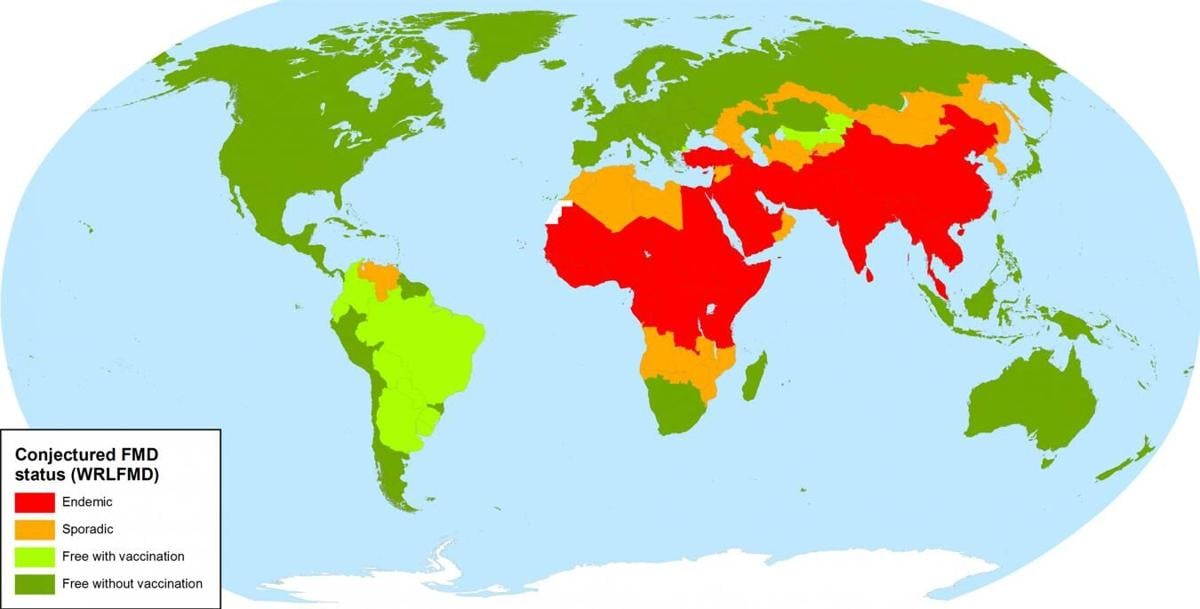
After several years of trying to curtail the rapid spread of foot-and-mouth disease across South Africa, the livestock sector there is now in crisis. South Africa lost its foot-and-mouth-disease-free status in 2019, but is now fighting a severe outbreak that emerged in 2021 and shows no signs of easing.
With 20 years experience behind him, award-winning agricultural journalist Chris McCullough is always on the hunt for his next story. He grew up on the family dairy farm in the heart of Northern Ireland and is based on the country’s east coast. He travels around the world to bring readers international news.
What is foot-and-mouth disease?
From the USDA-Animal and Plant Health Inspection Service
There are seven known types and more than 60 subtypes of the foot-and-mouth-disease virus, meaning immunity to one type doesn’t protect animals against other types or subtypes. The first signs of illness usually appear within two to 14 days after infection. There are numerous symptoms to watch for.
• Fever – large increase in temperature for two to three days
• Blisters and vesicles – Blisters can develop on the tongue and lips, in and around the mouth, on the mammary glands and around the hooves. They rupture and discharge clear or cloudy fluid.
• Erosions – When blisters pop, they leave raw, eroded areas surrounded by ragged fragments of loose tissue.
• Excess saliva – Infected animals may have sticky, foamy and stringy saliva.
• Loss of appetite – Painful tongue and mouth blisters may lead animals to eat less.
• Lameness and a reluctance to move or stand
• Abortions – Animals can experience spontaneous abortions and sterility.
• Milk – Dairy cows may have reduced milk production.
• Heart disease and death – These symptoms are especially prevalent in newborn animals.
Foot-and-mouth disease may be confused with other diseases that produce blisters, including vesicular stomatitis, bluetongue, bovine viral diarrhea, foot rot in cattle and swine vesicular disease. The only way to tell if the blisters are caused by the foot-and-mouth-disease virus is through laboratory testing. If you observe mouth or feet blisters in your animals, report them immediately so that they can be tested.